Activities
"Mission Impossible"
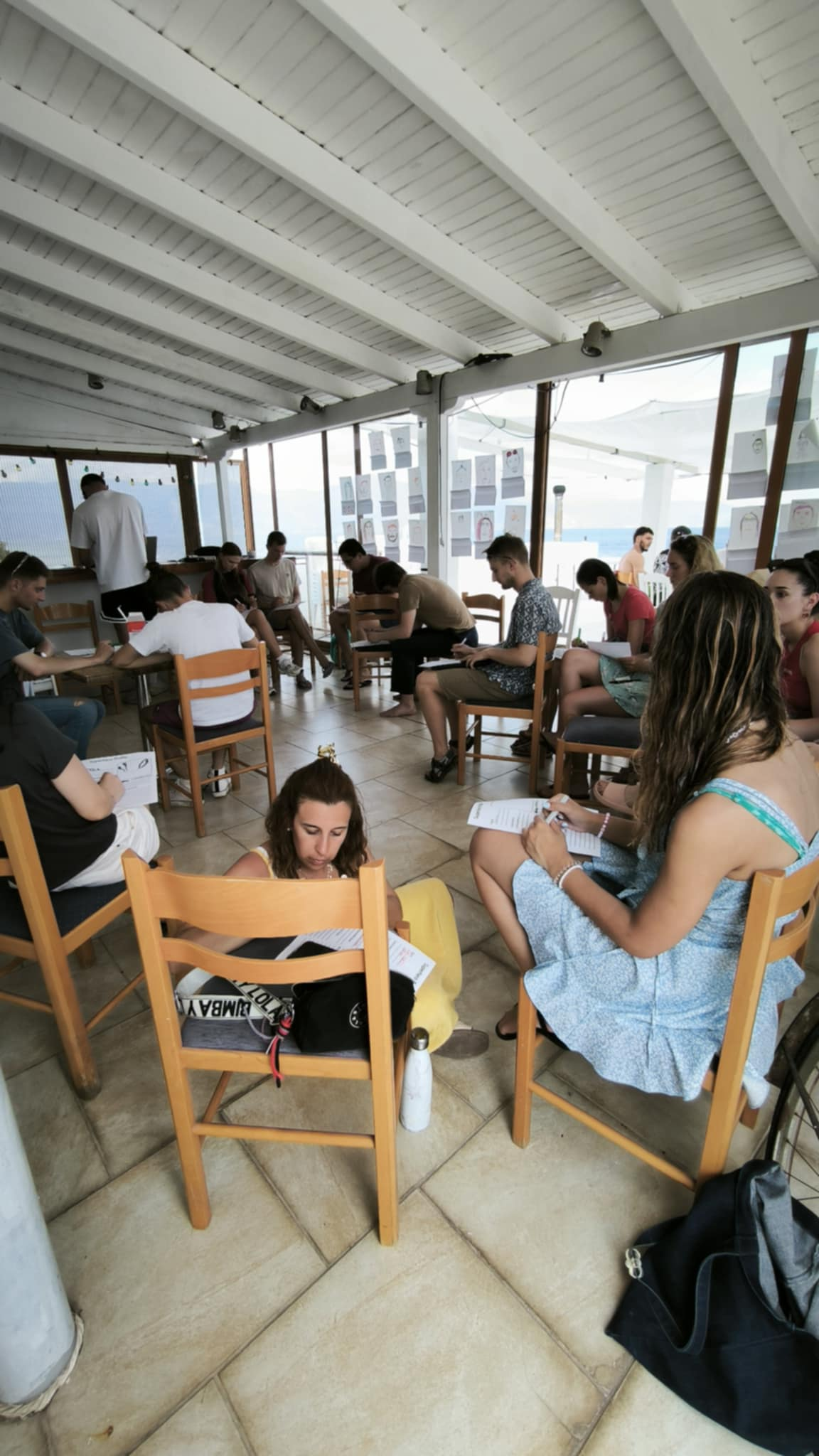
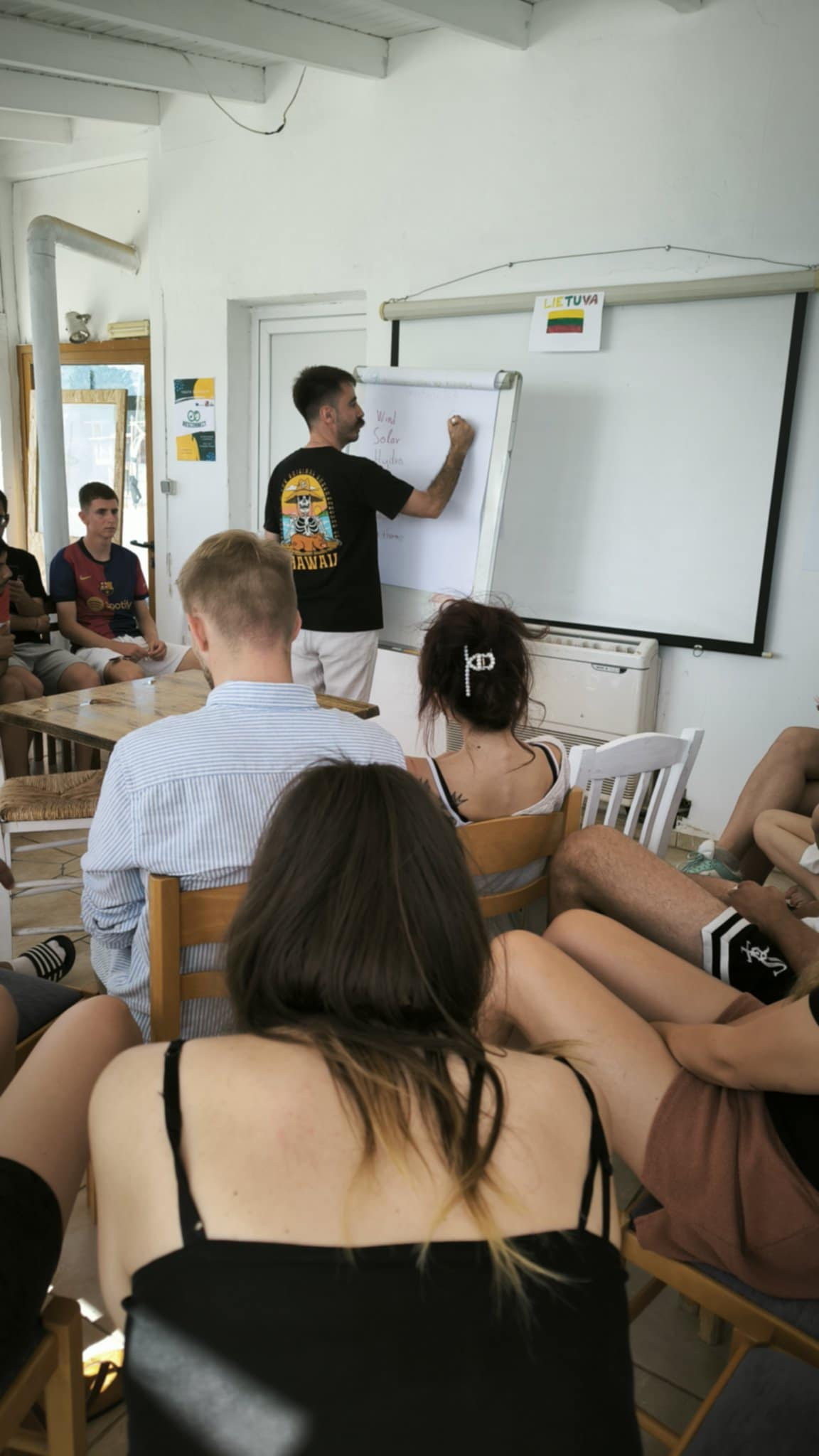
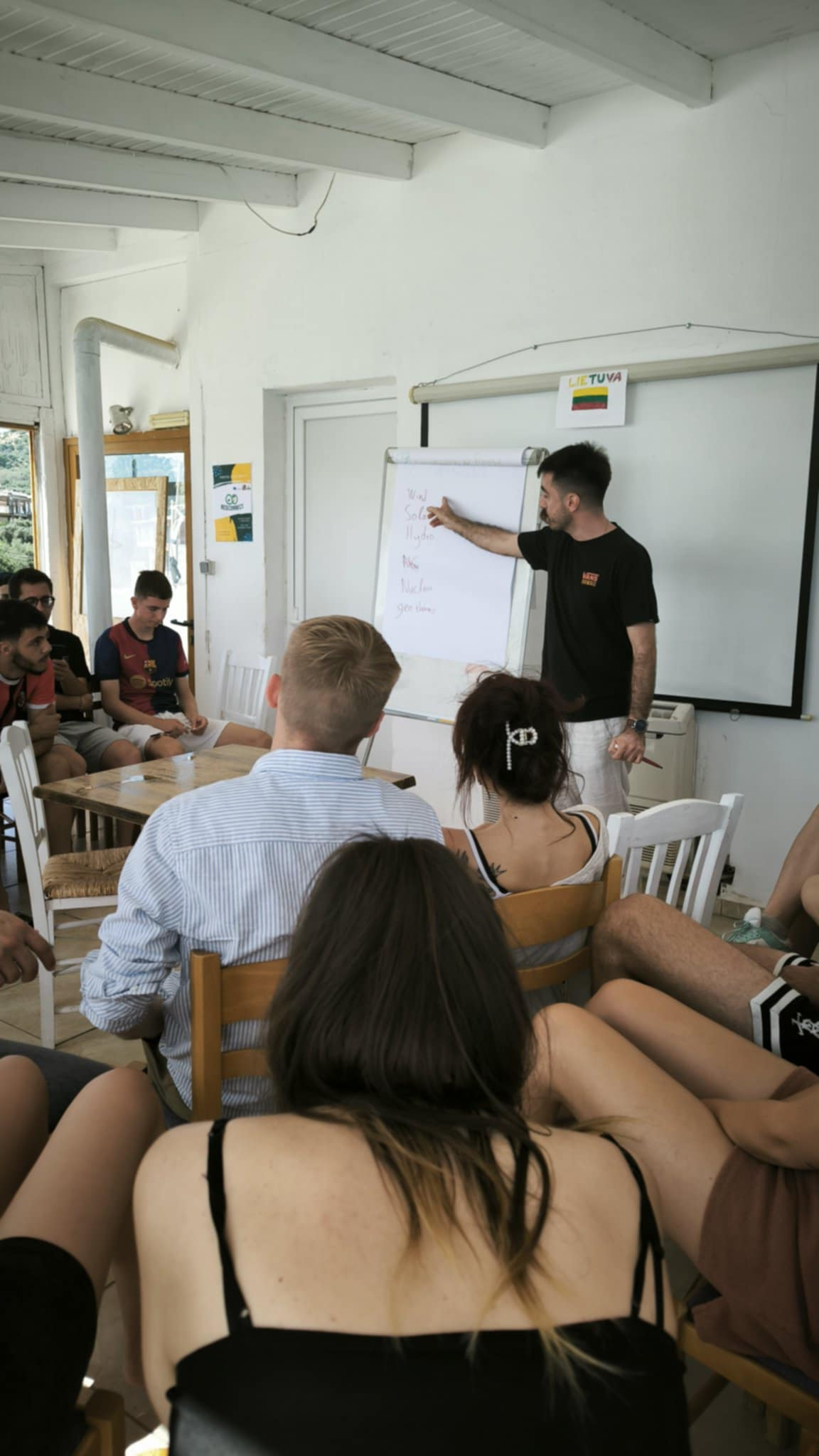
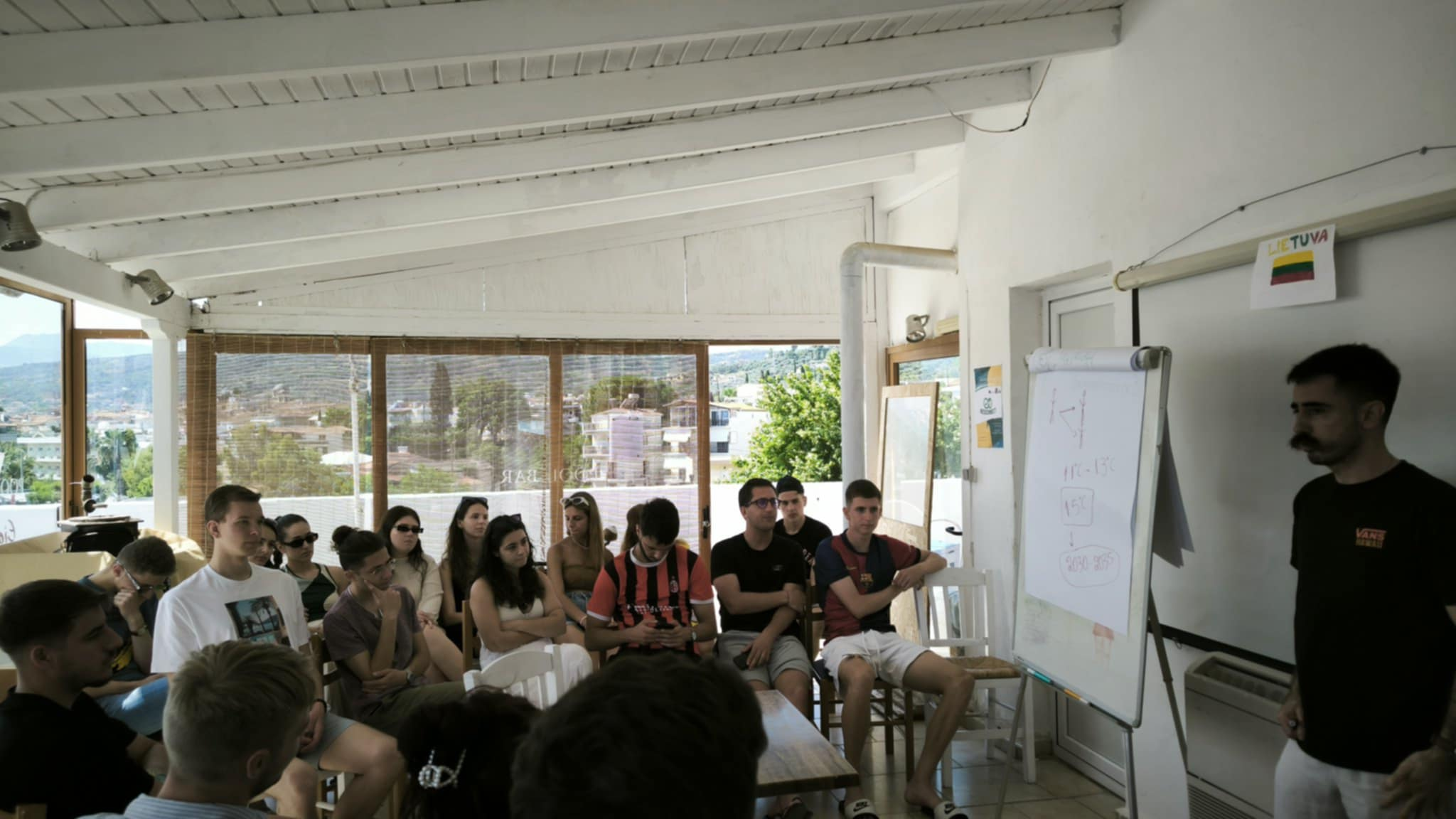
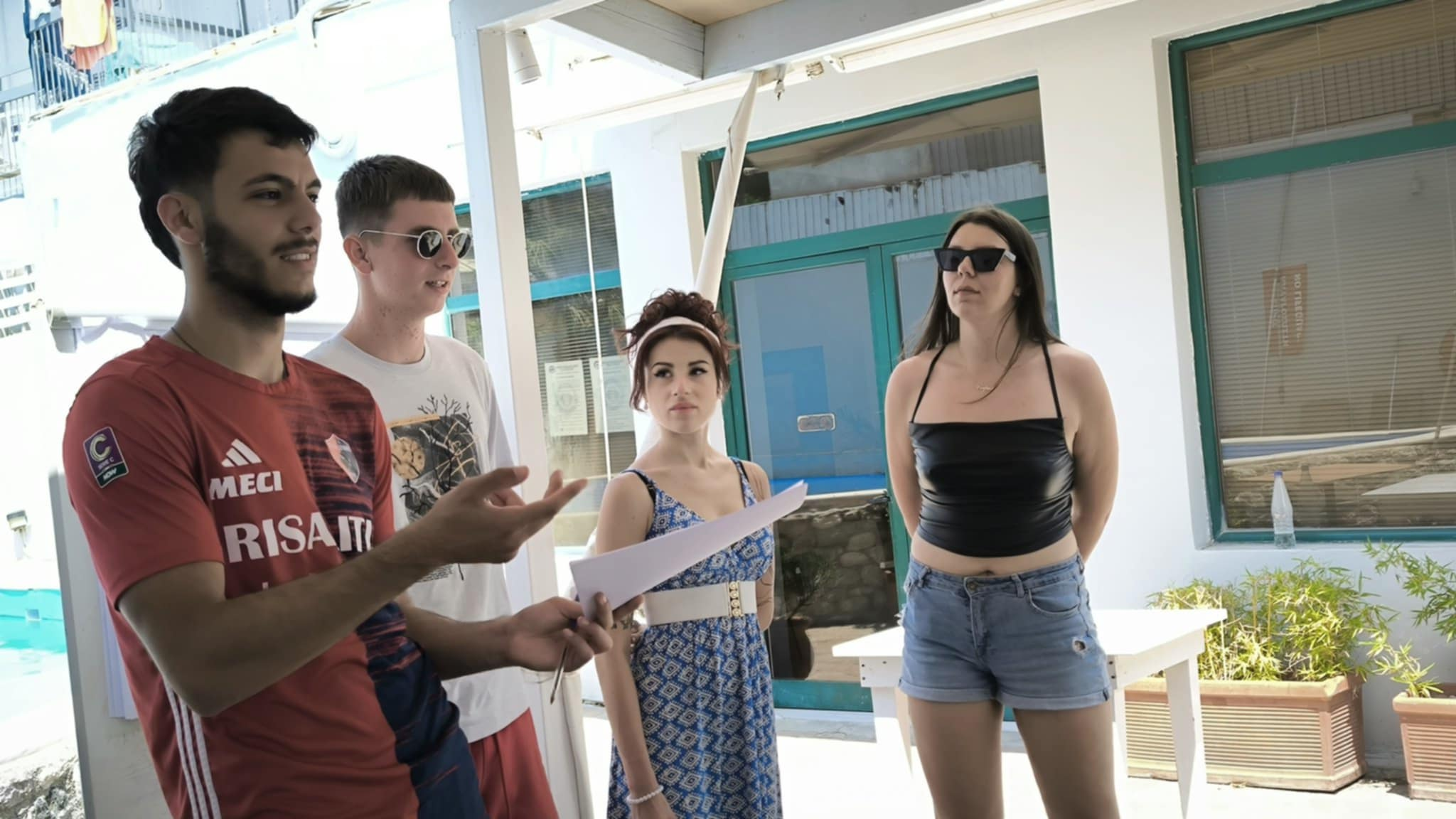
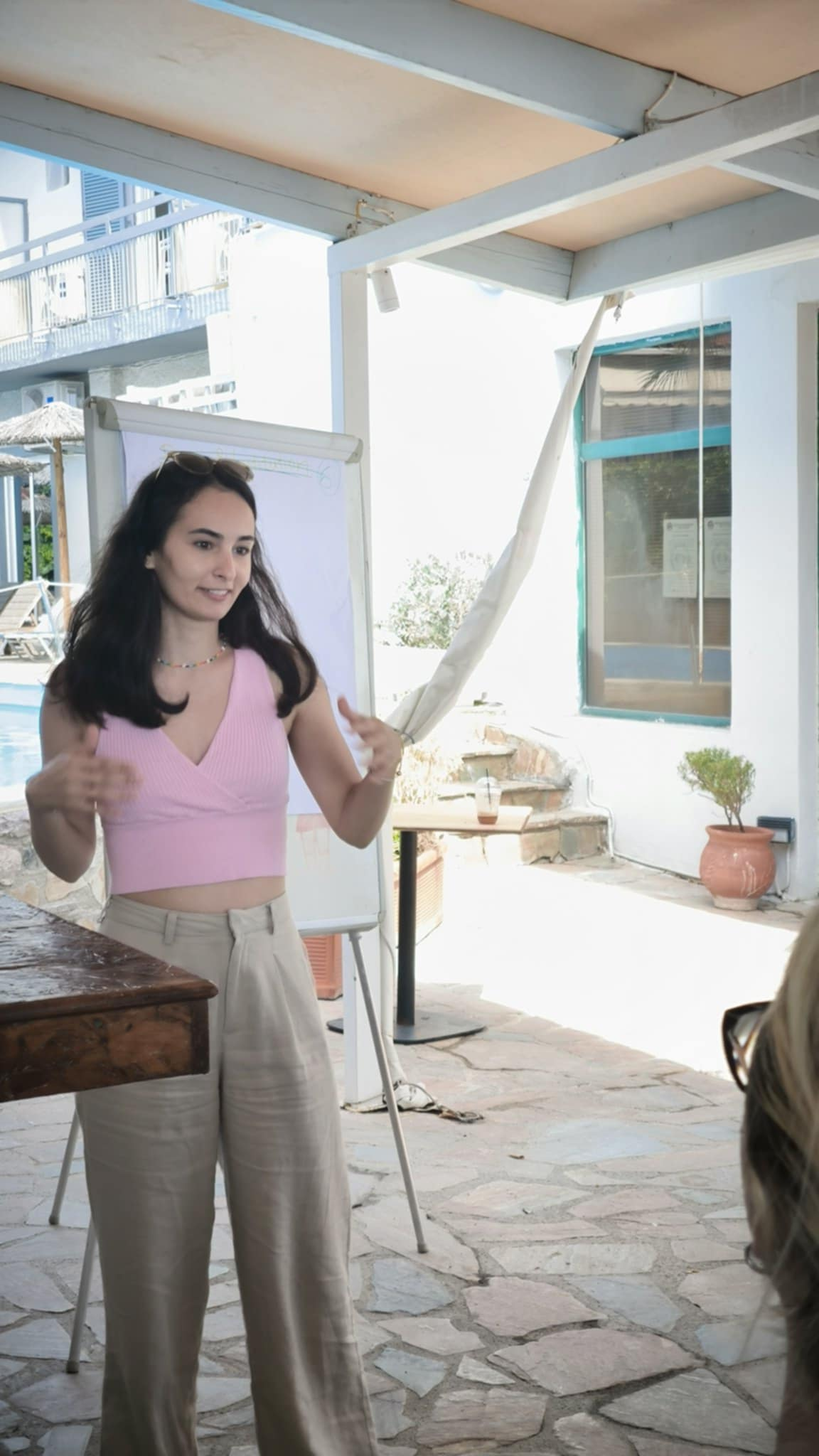
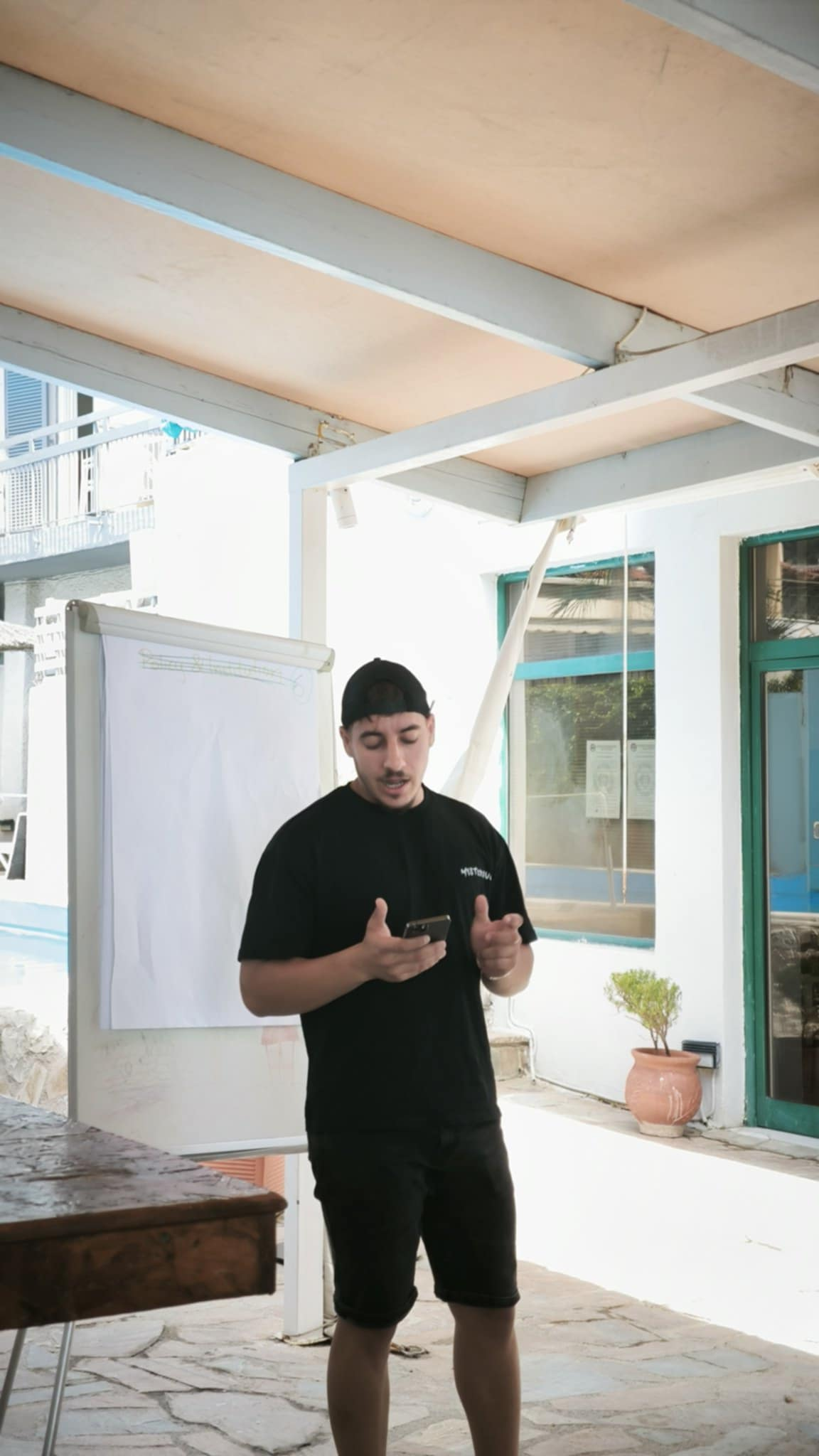
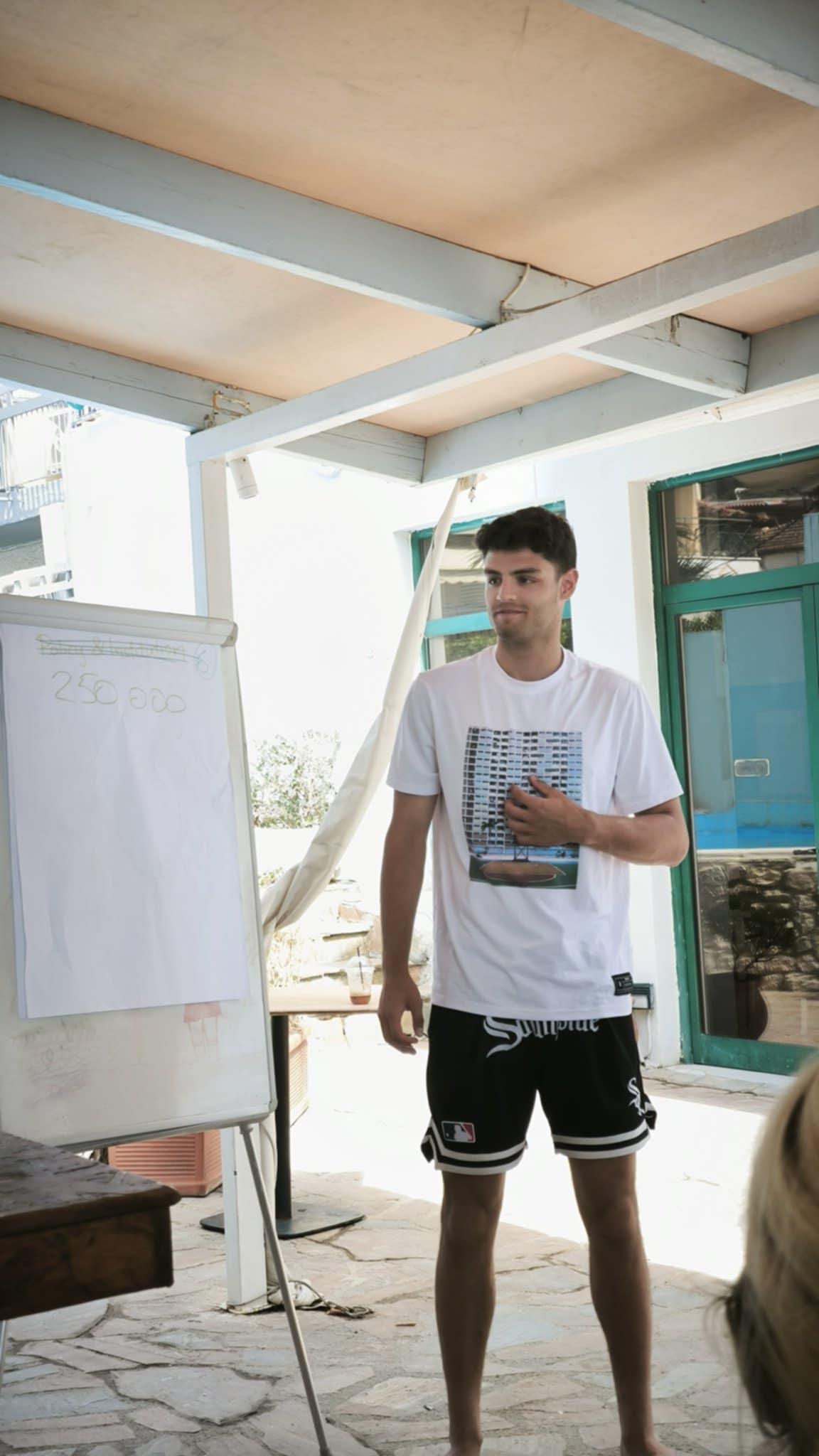
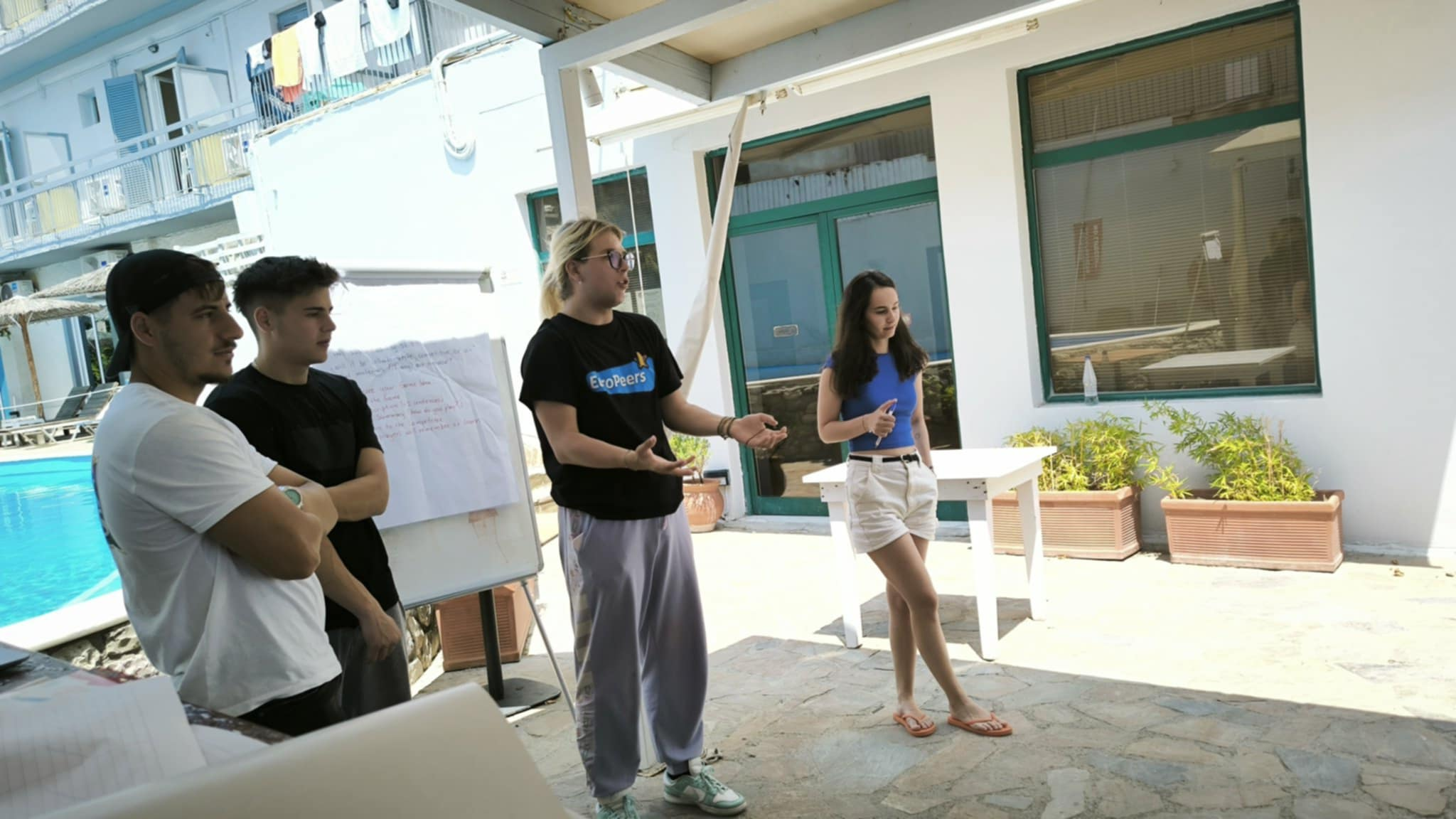
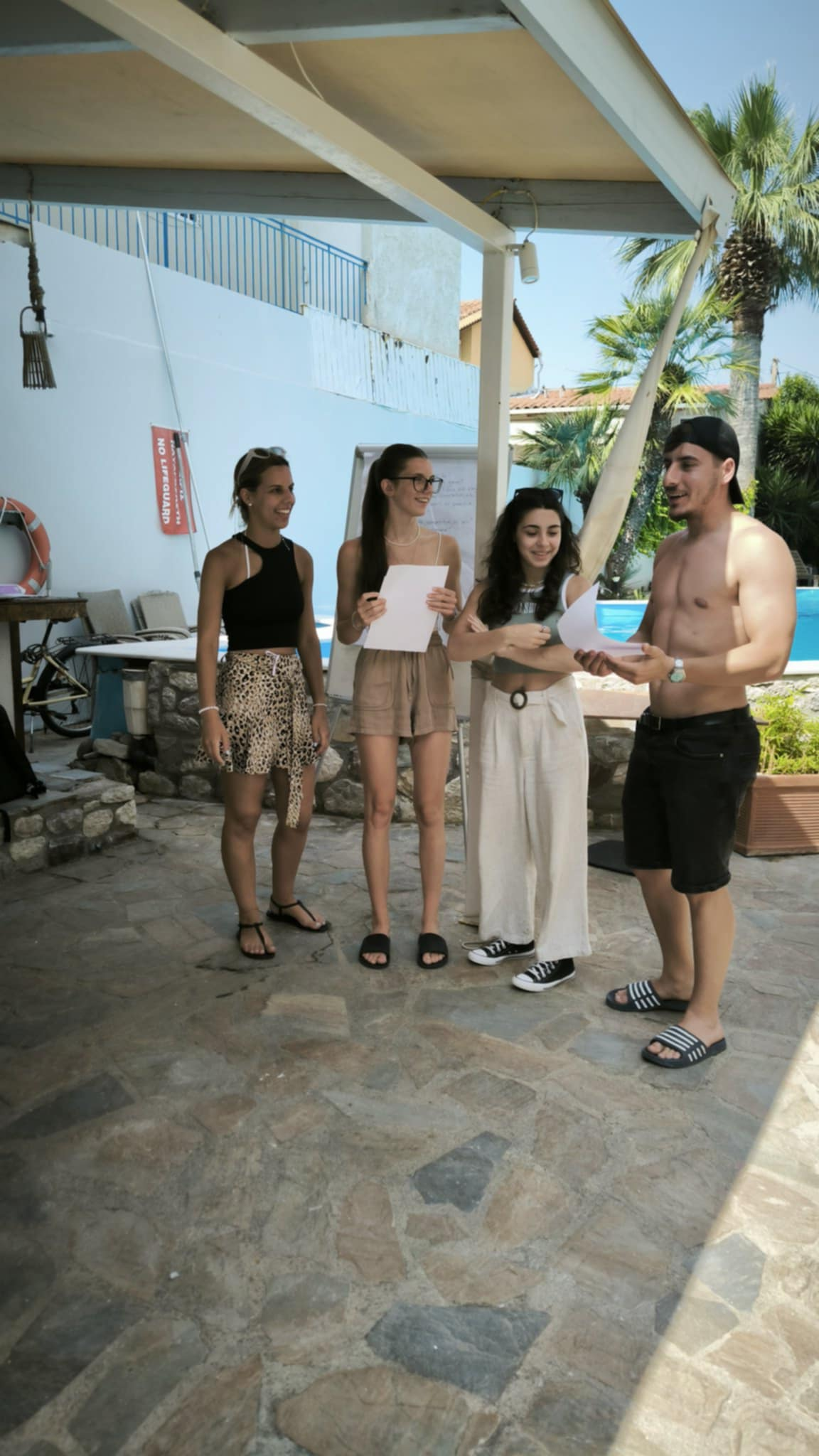
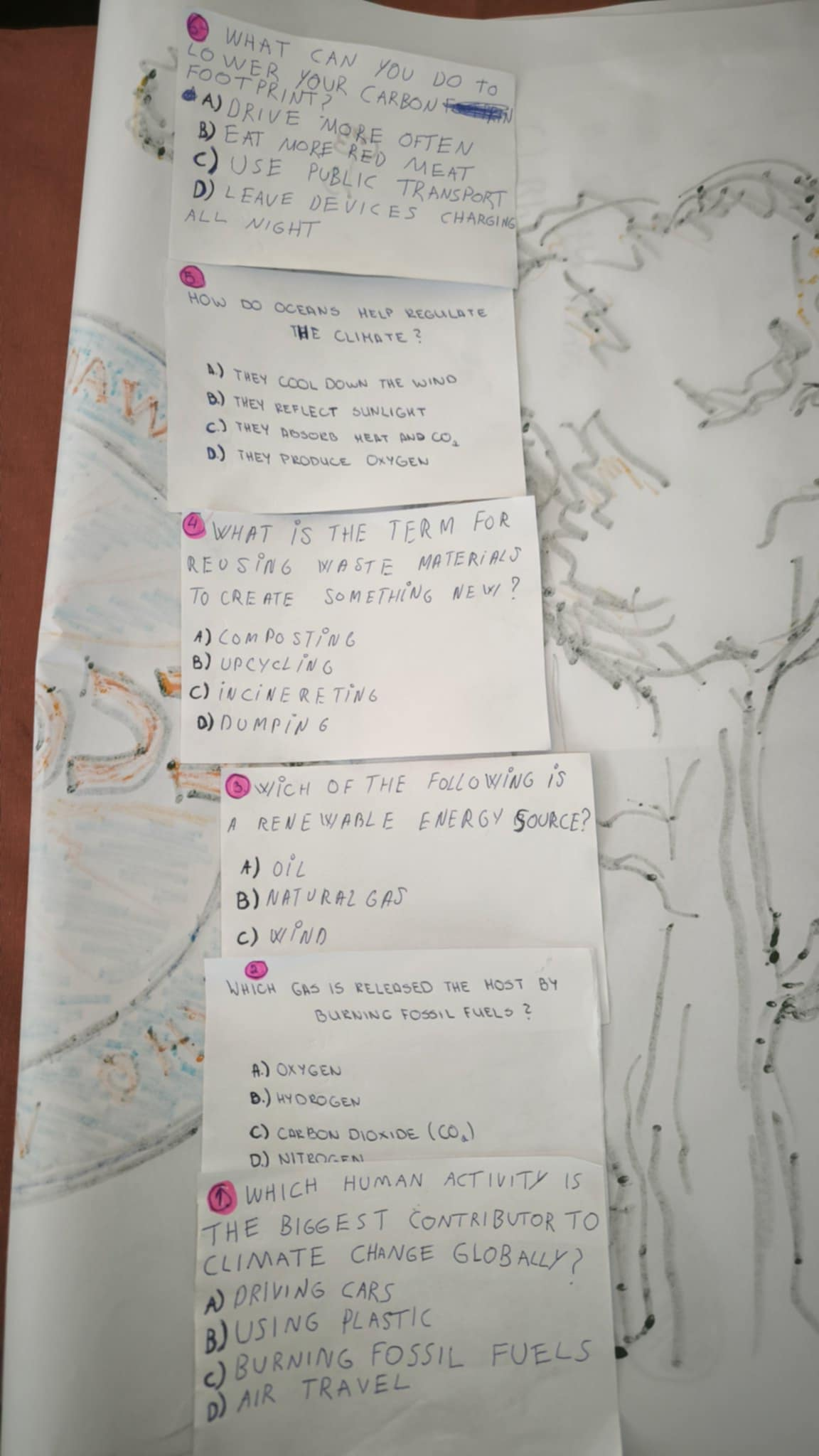
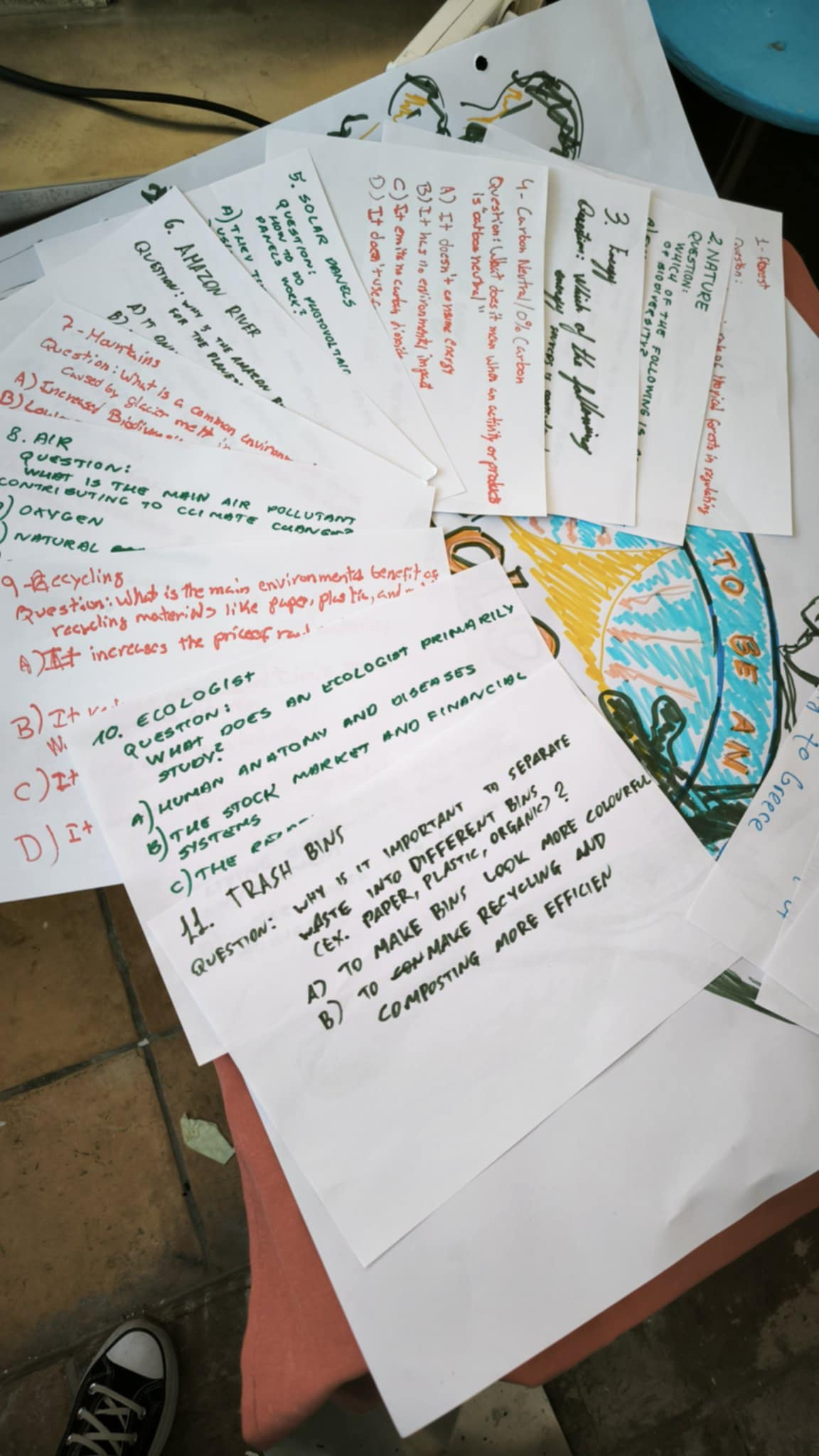
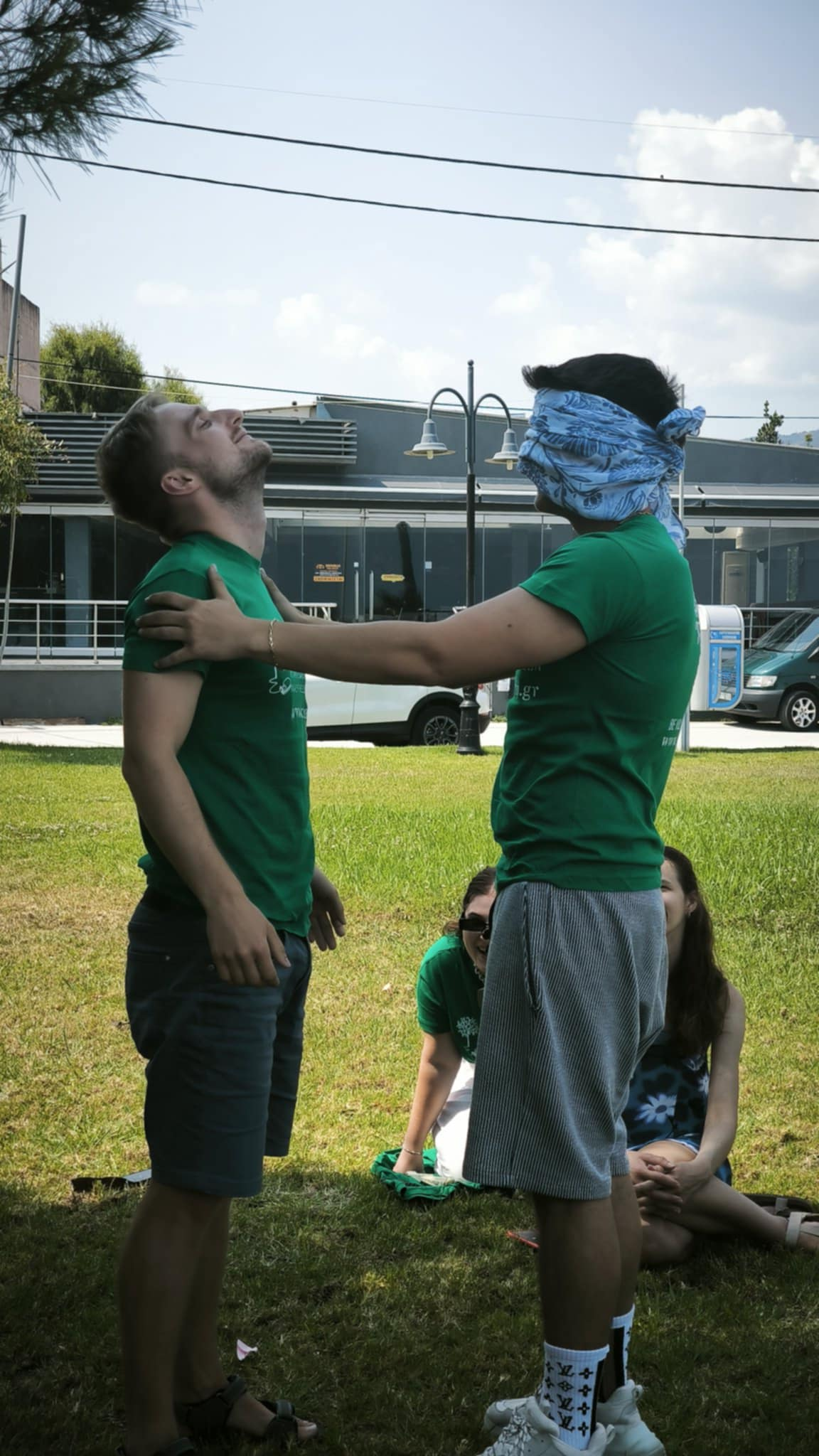
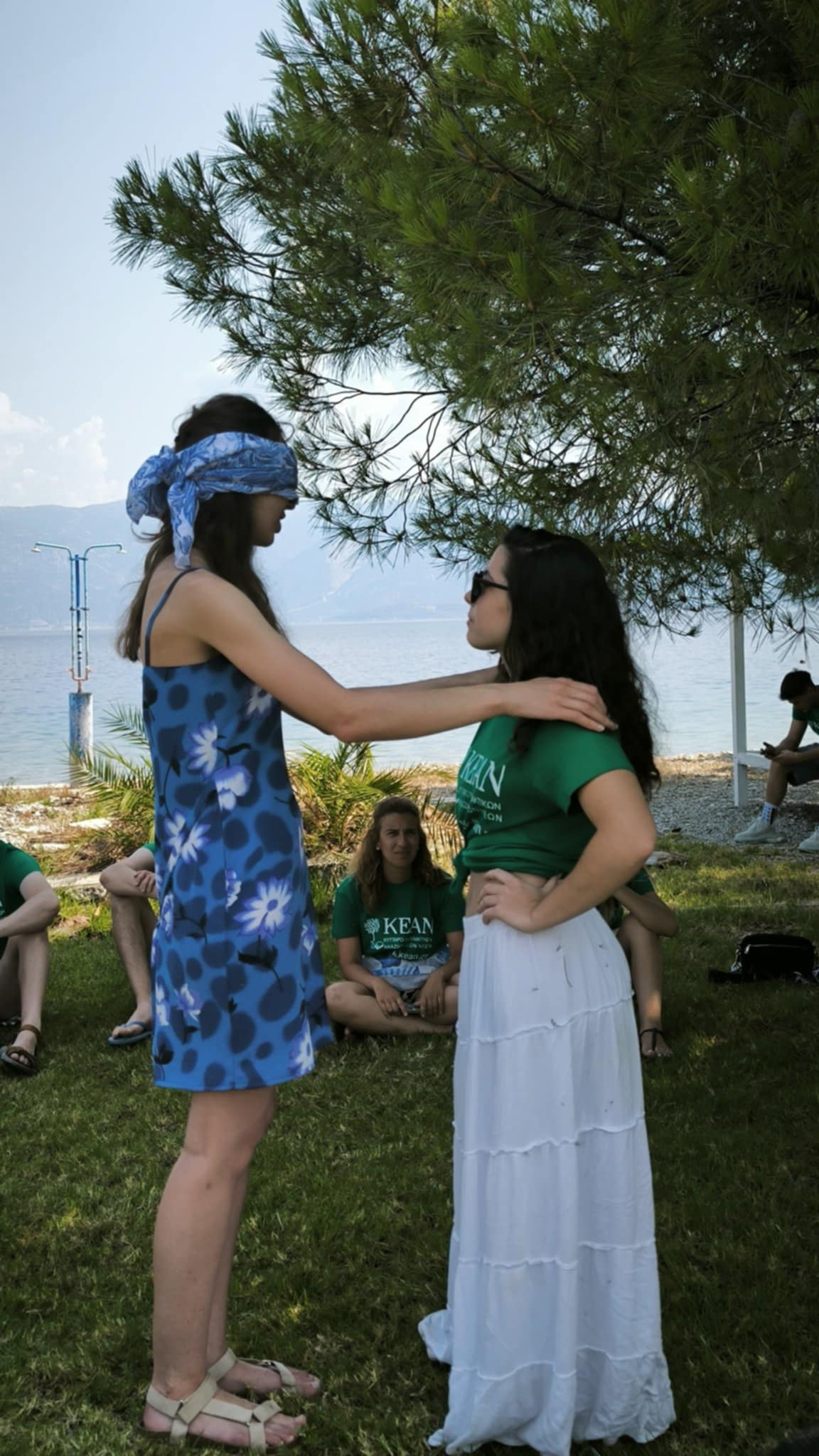
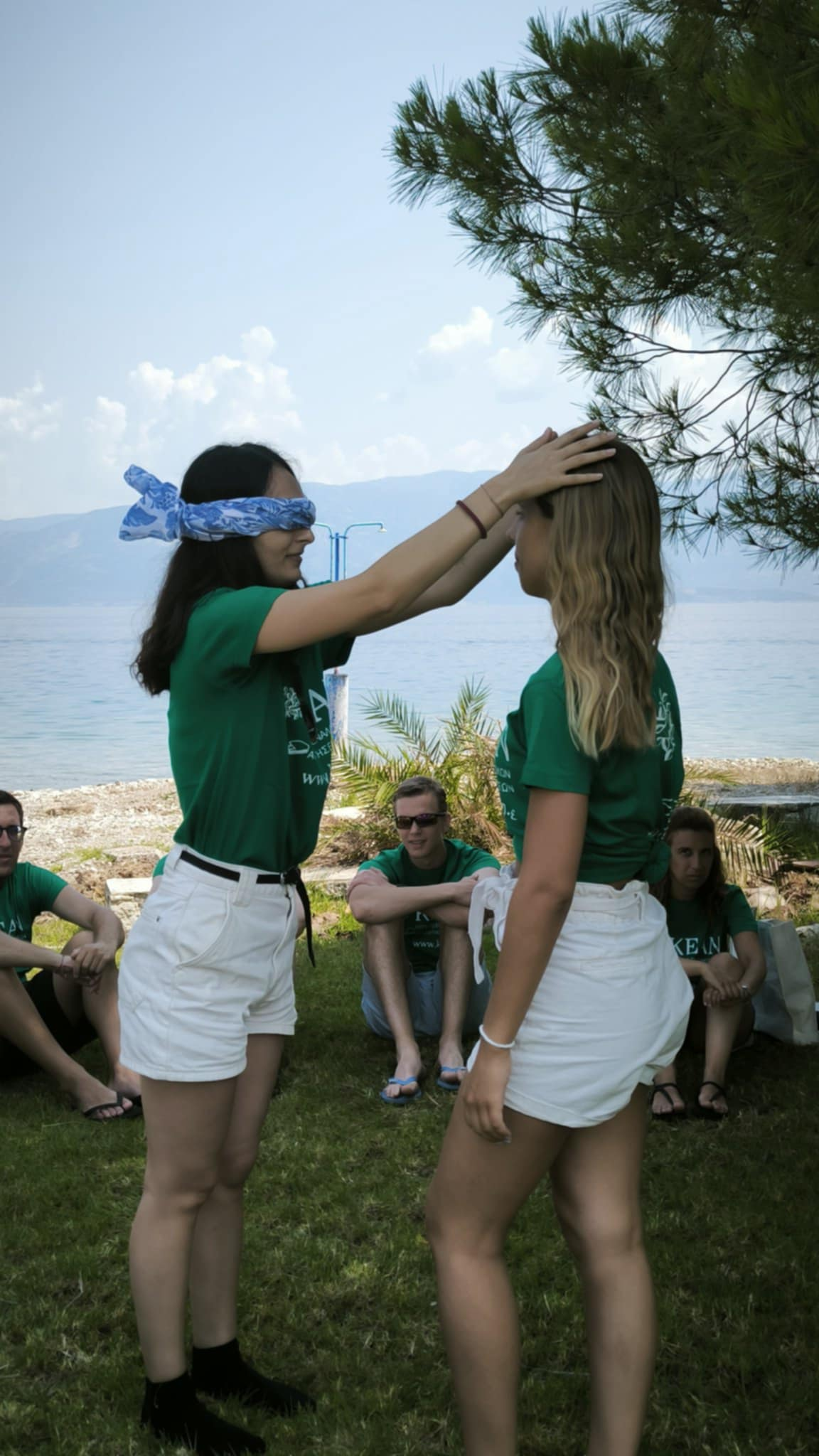
Participants were challenged to complete a series of creative and environment-themed tasks that required collaboration, imagination, and action. Through group games, humor, and unexpected missions, they developed teamwork and innovation skills, while promoting sustainability in a fun and engaging way.
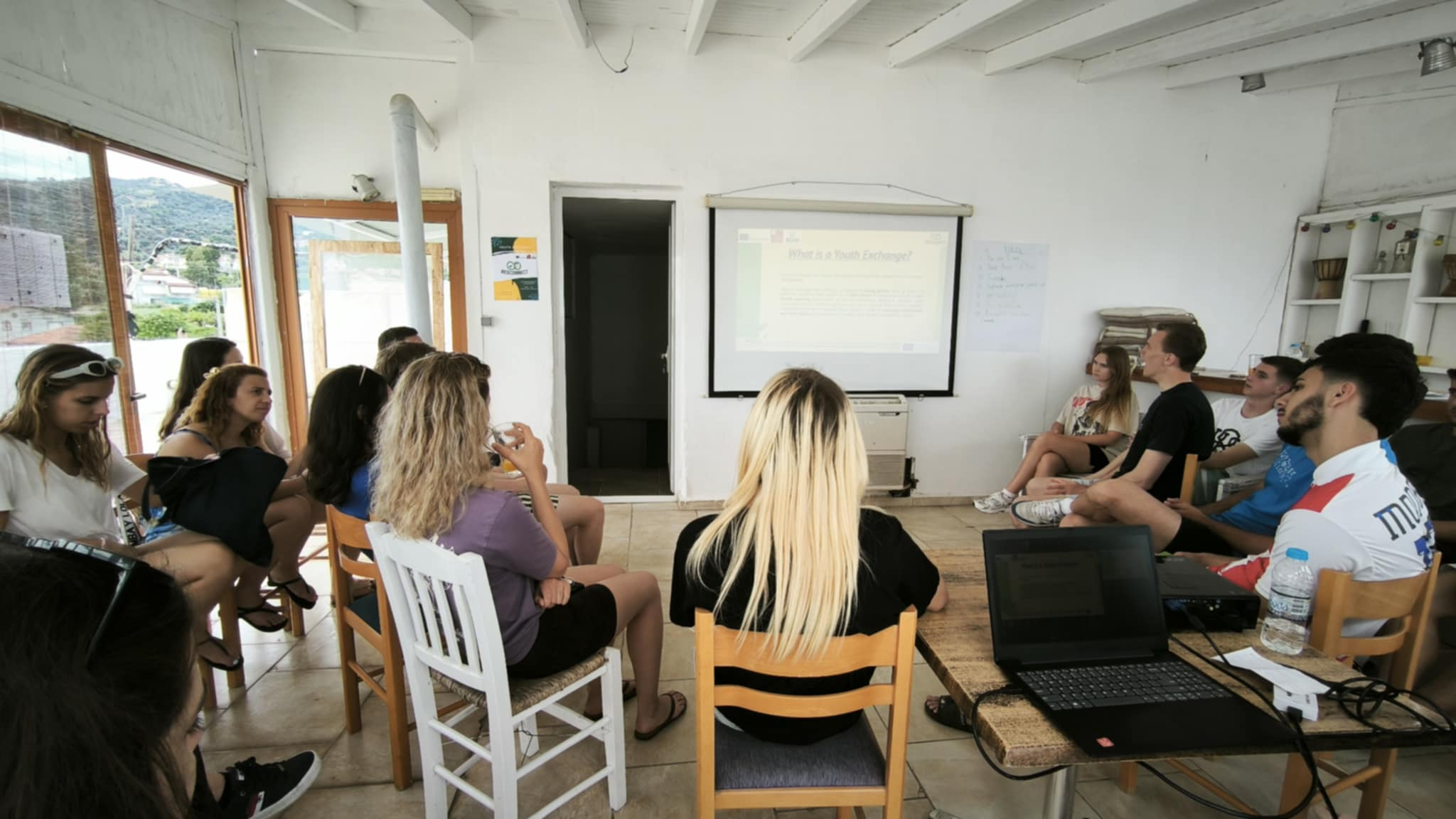
Presentation of the Erasmus+ Program and the recognition Tools to be used (YouthPass)
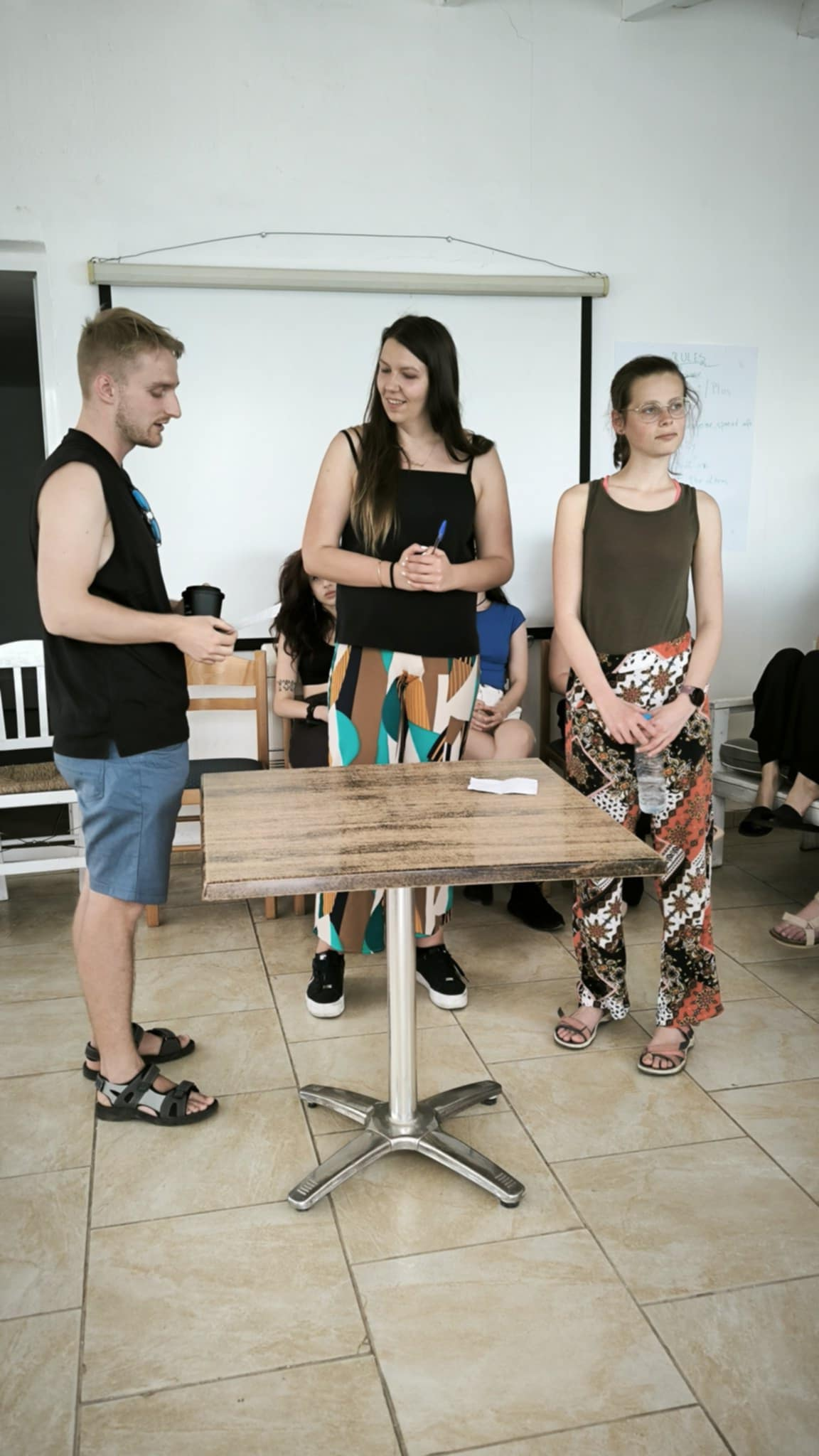
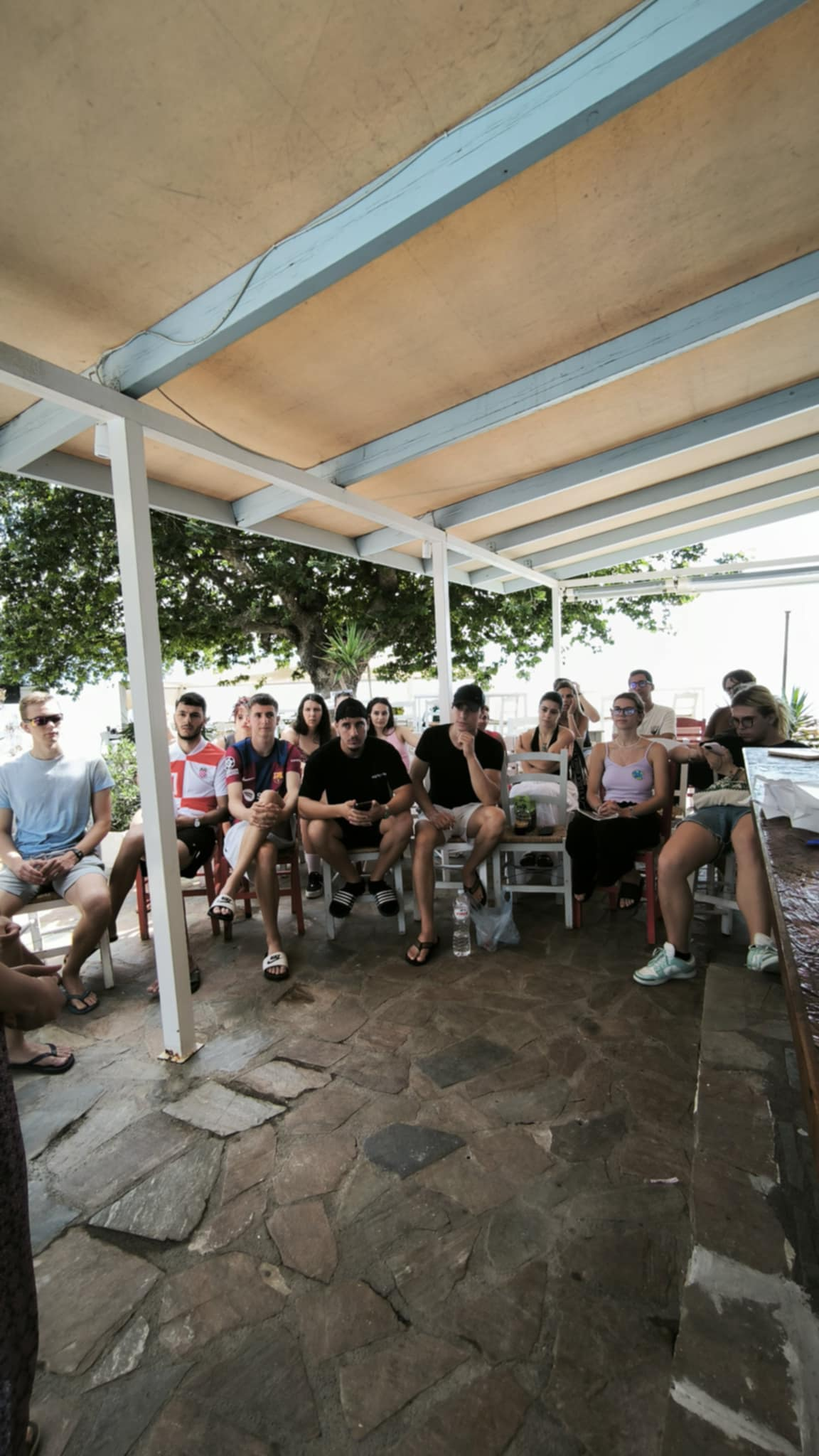
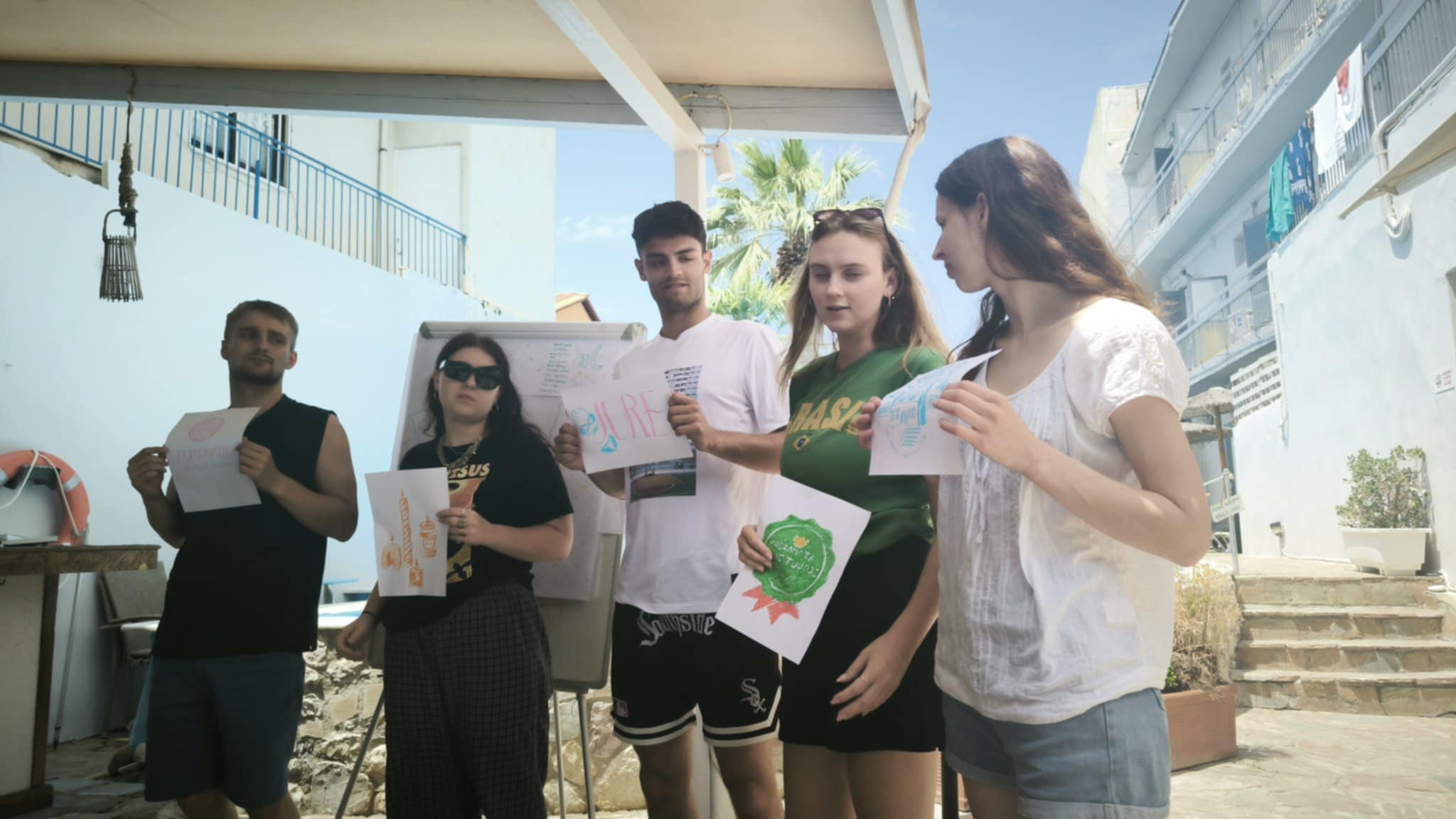
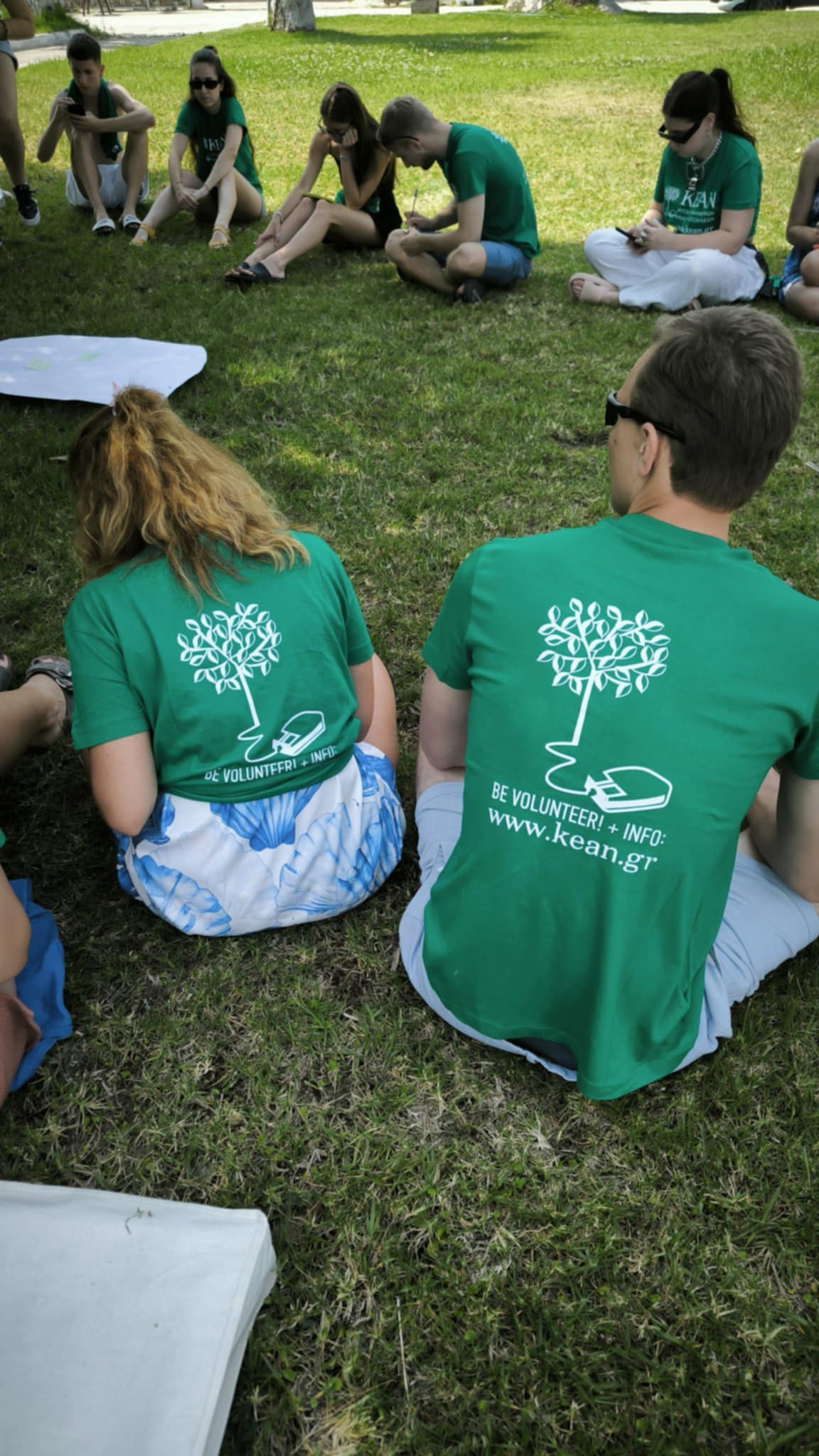
The Erasmus+ program and the YouthPass certificate were presented as tools for recognizing young people’s skills and learning outcomes. Participants worked in groups, created short presentations and roleplays, and gained a deeper understanding of how to reflect on and value their personal growth through non-formal learning.
"Vision for the future"
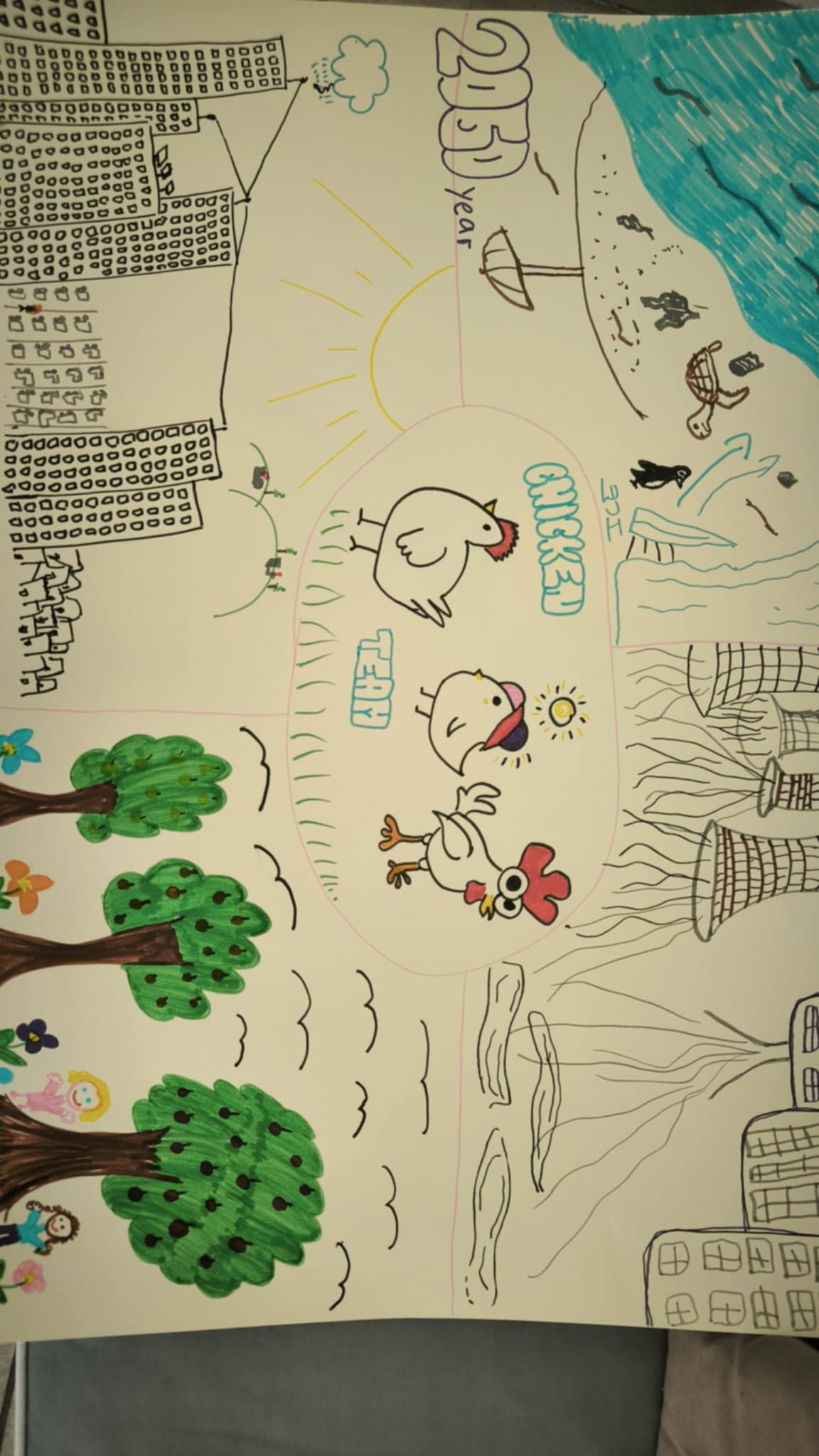
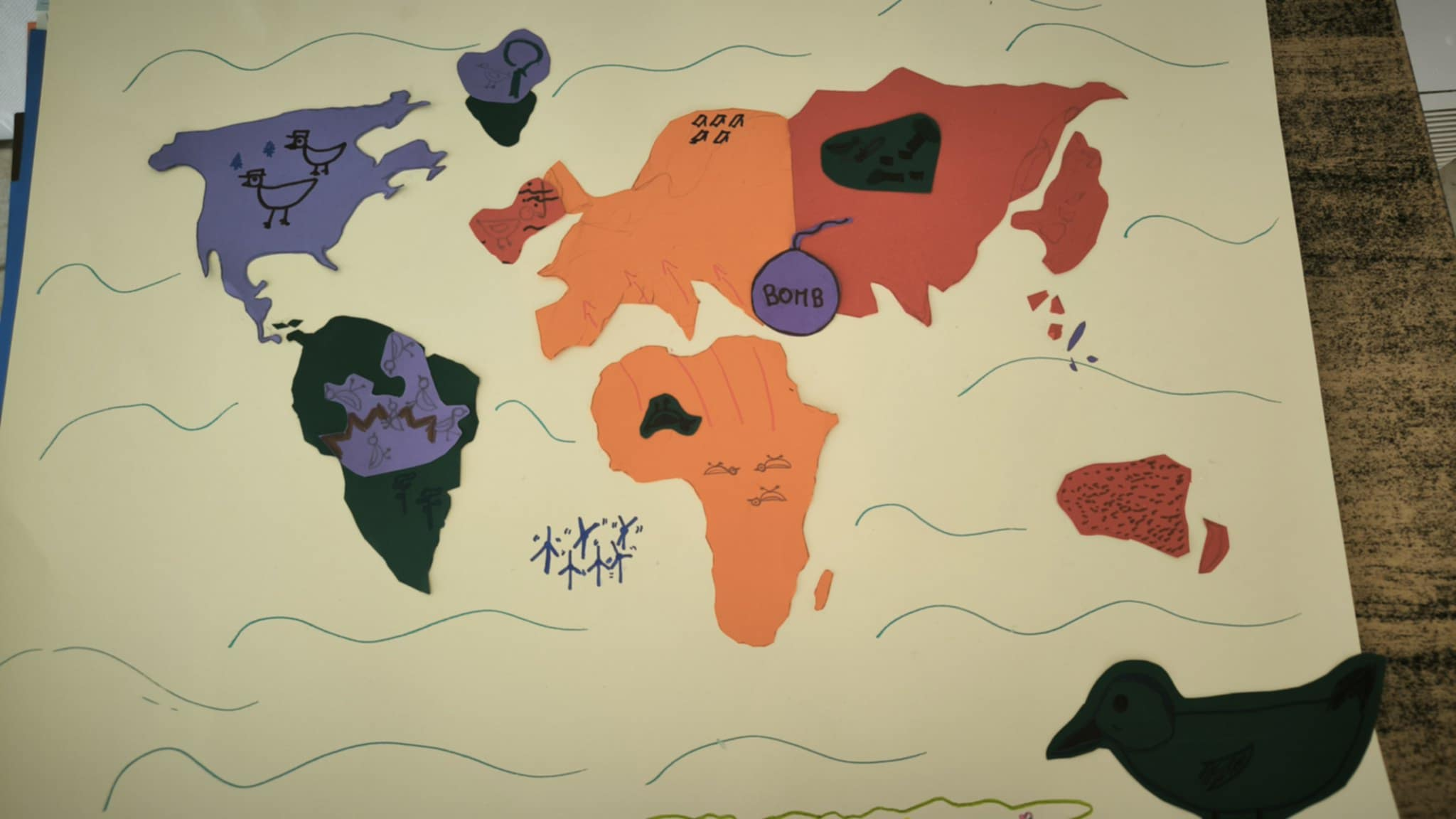
Groups imagined what the world might look like in 2050 if we fail to act today to protect the environment. Using artistic tools such as theatre, painting, or music, they expressed their visions and later reflected on their feelings about the future. The activity highlighted both the participants’ concerns and their hope for a more sustainable world.
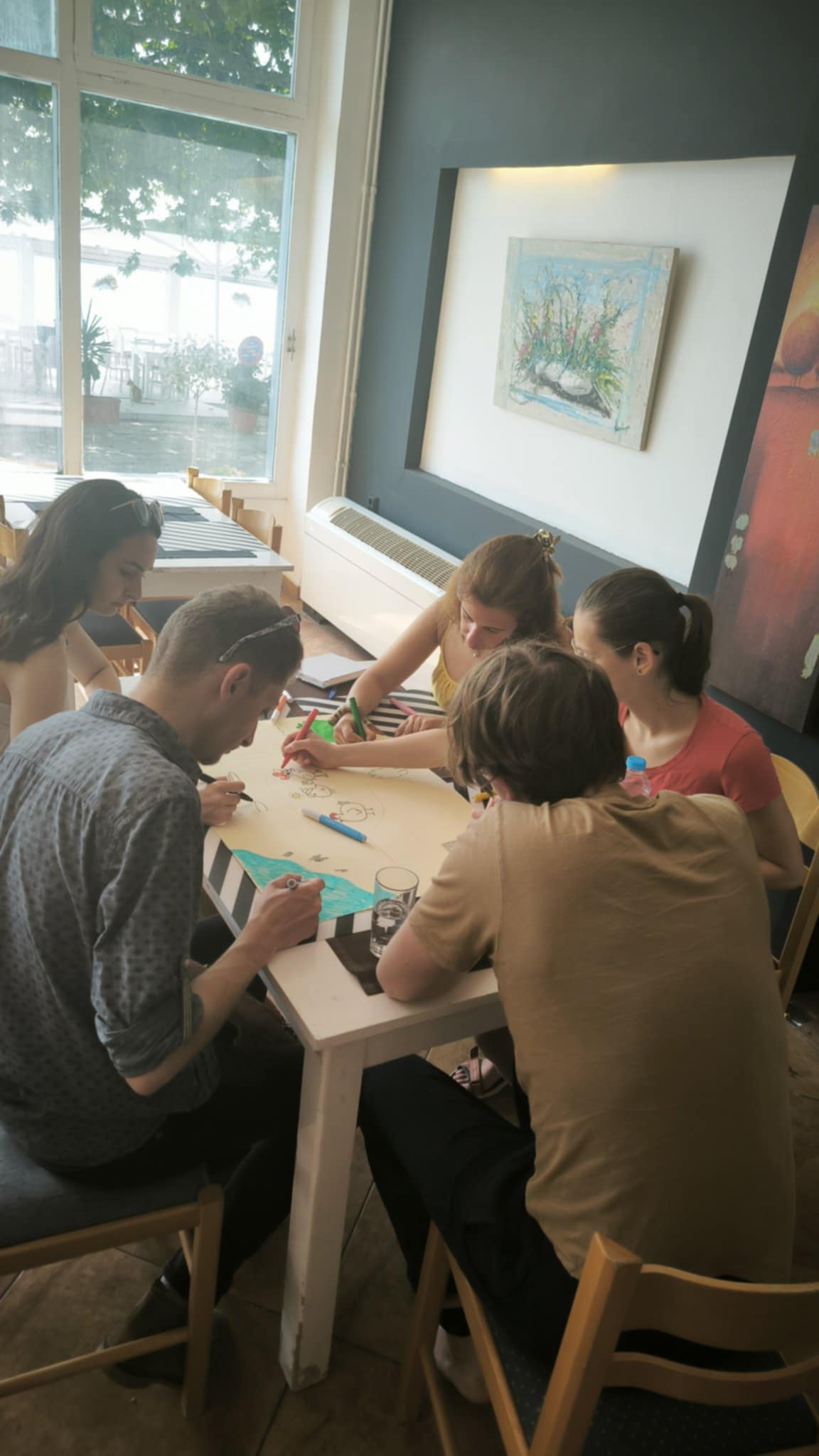
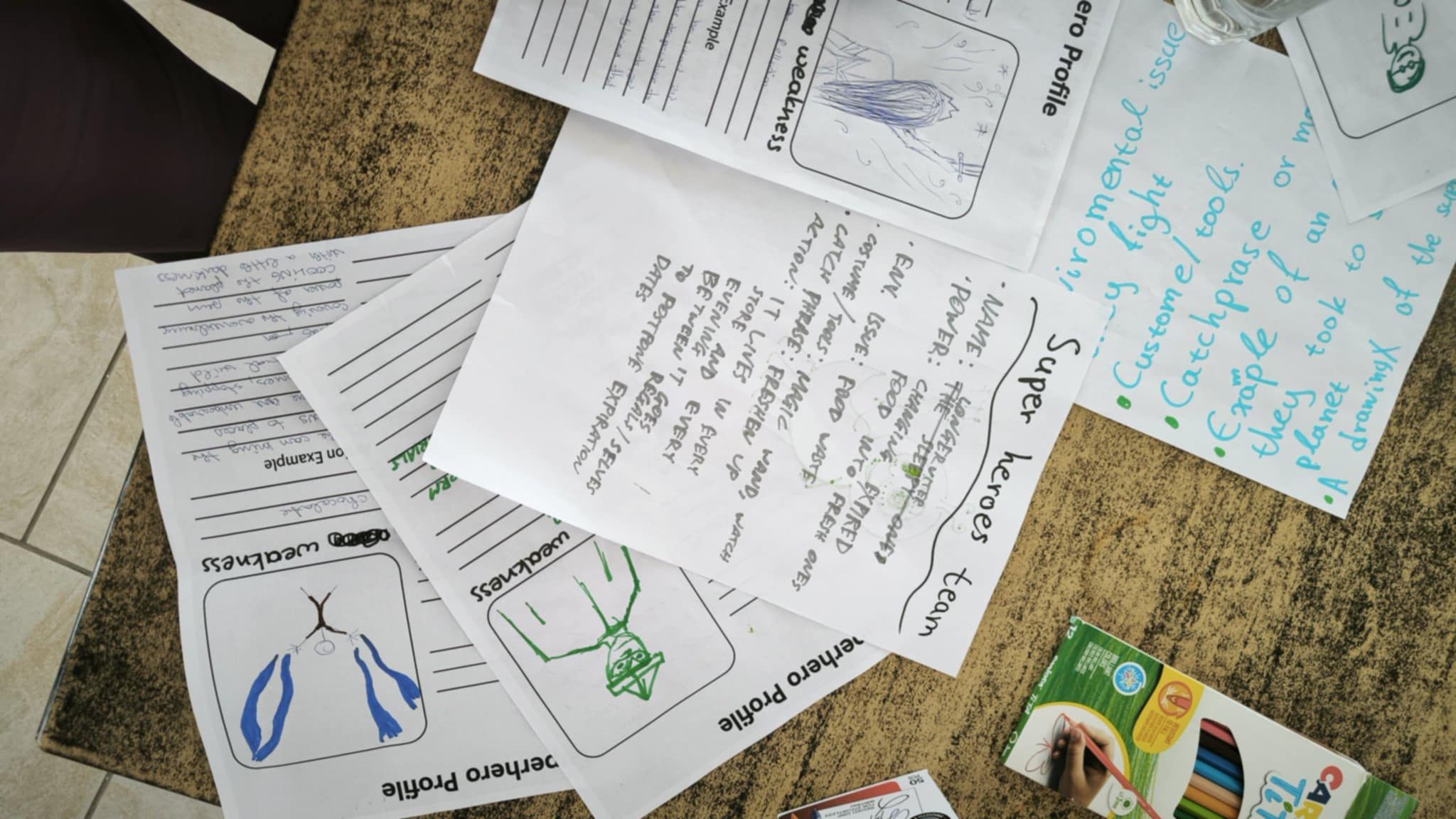
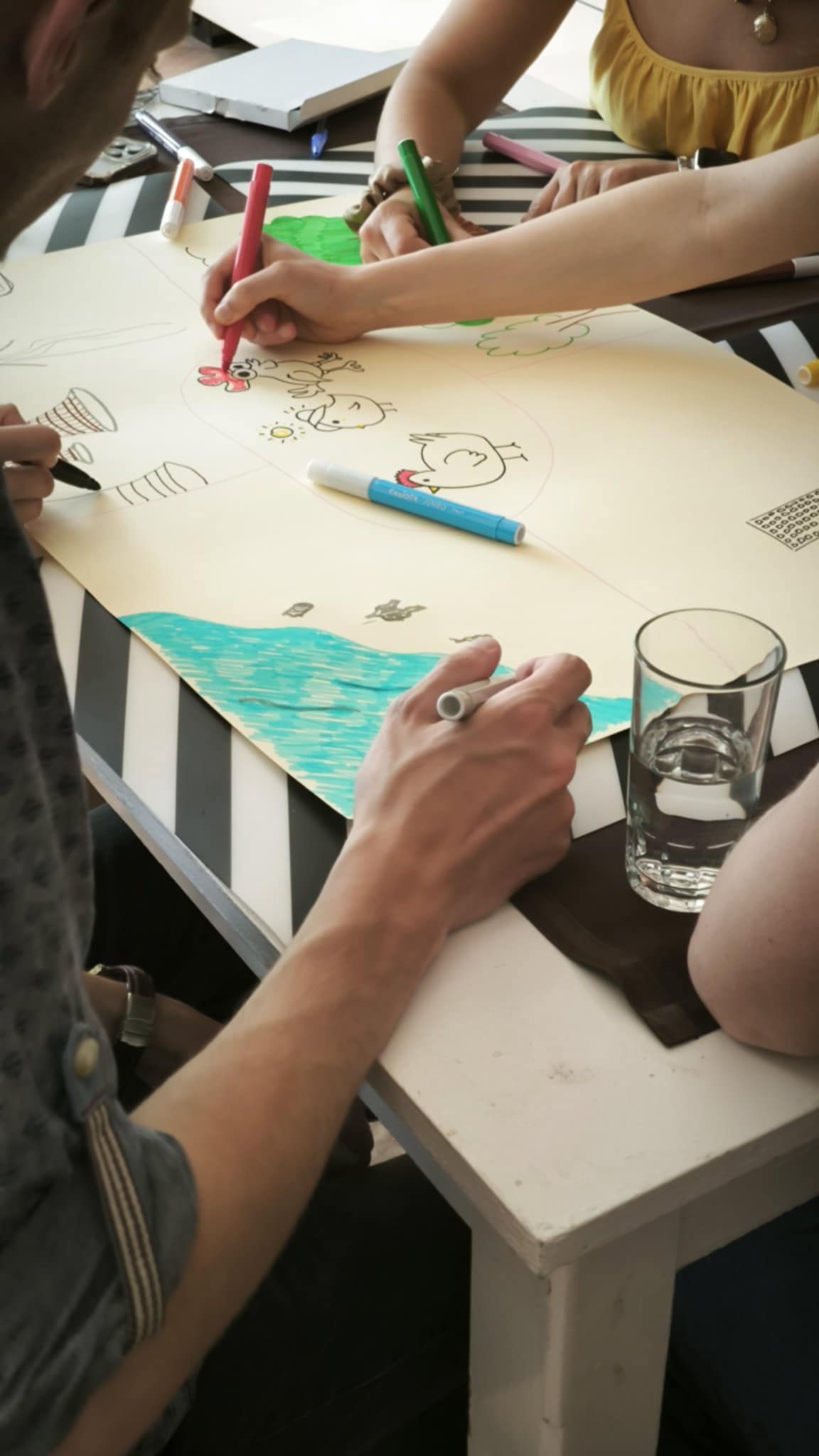
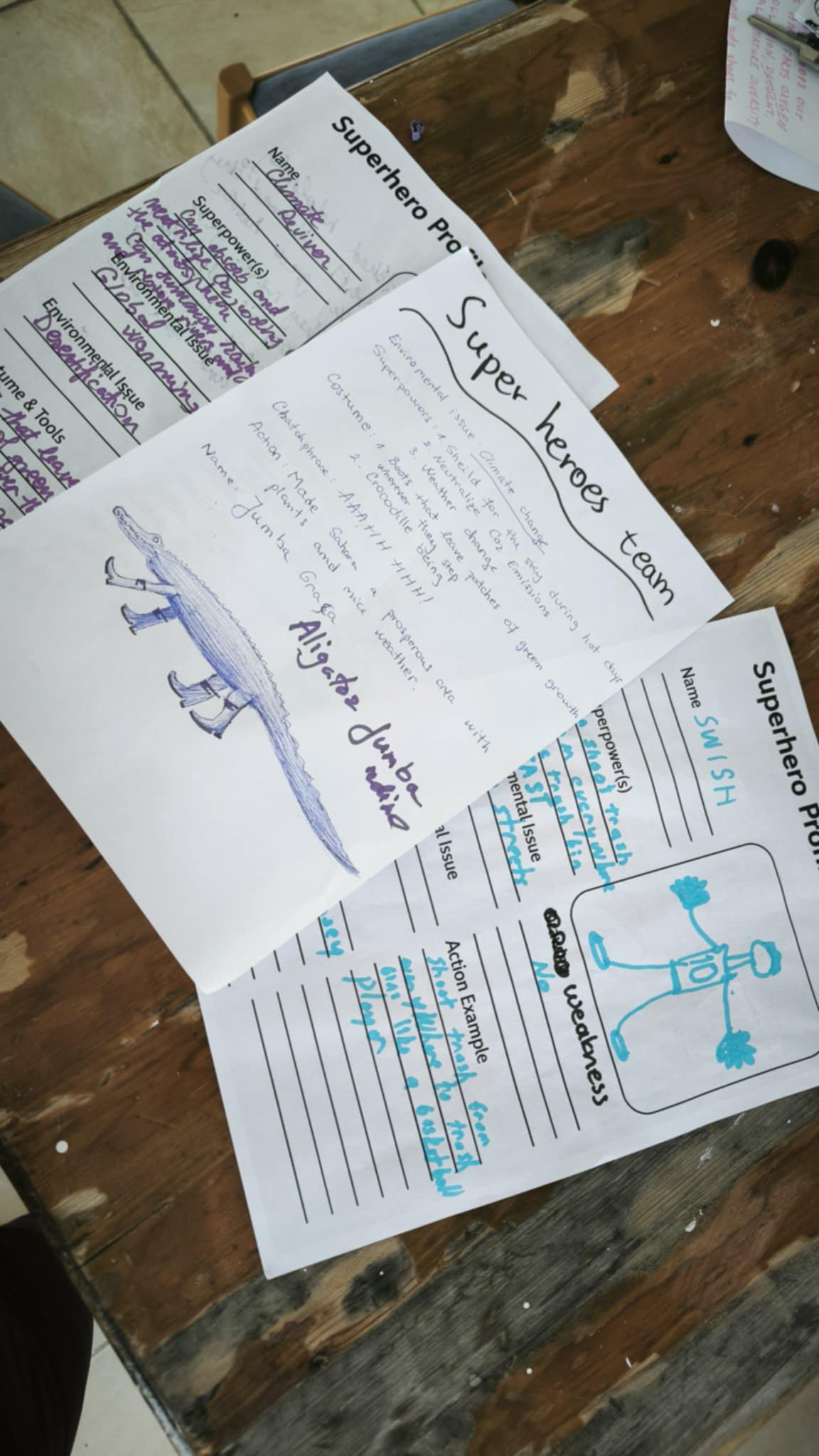
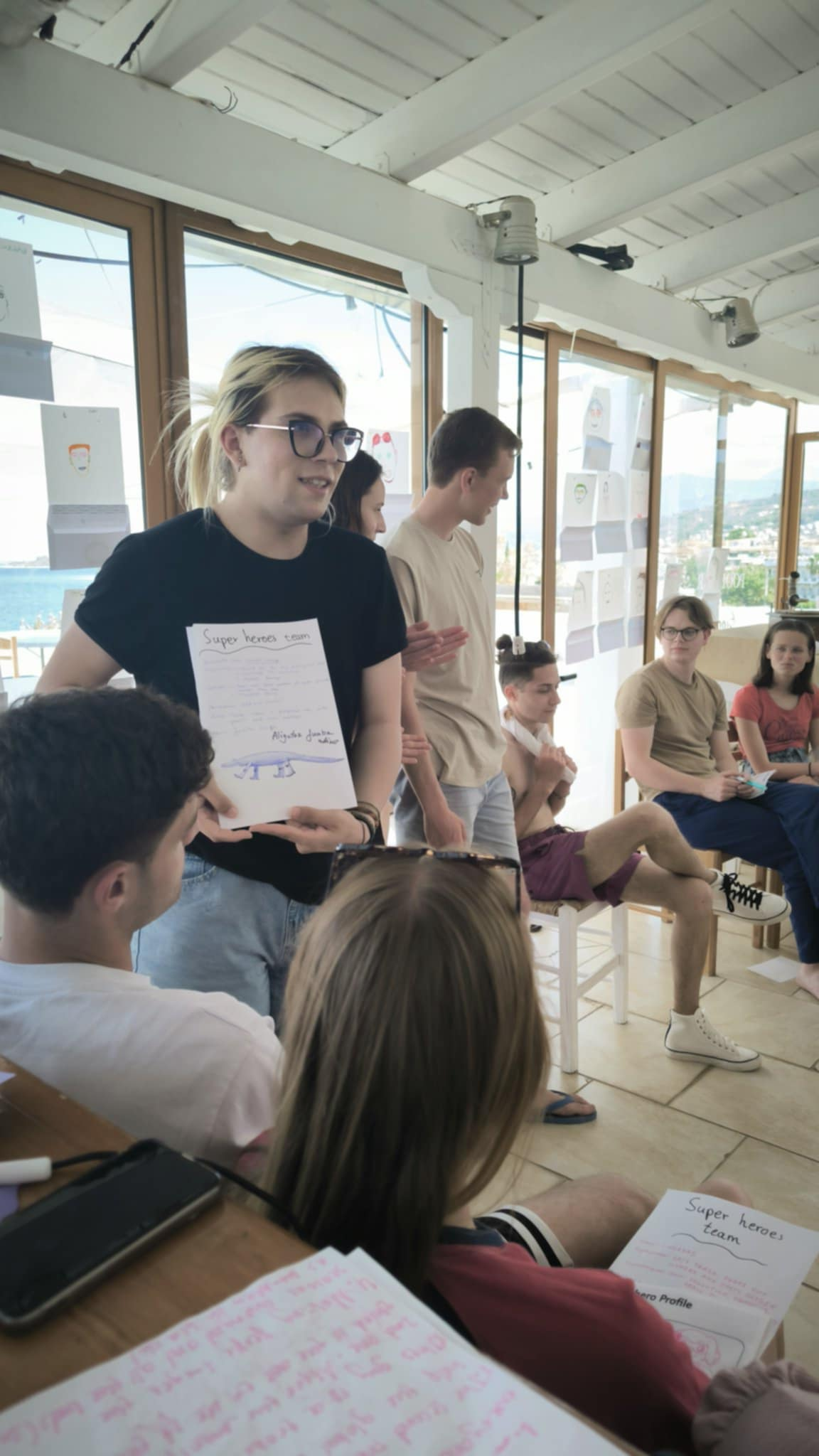
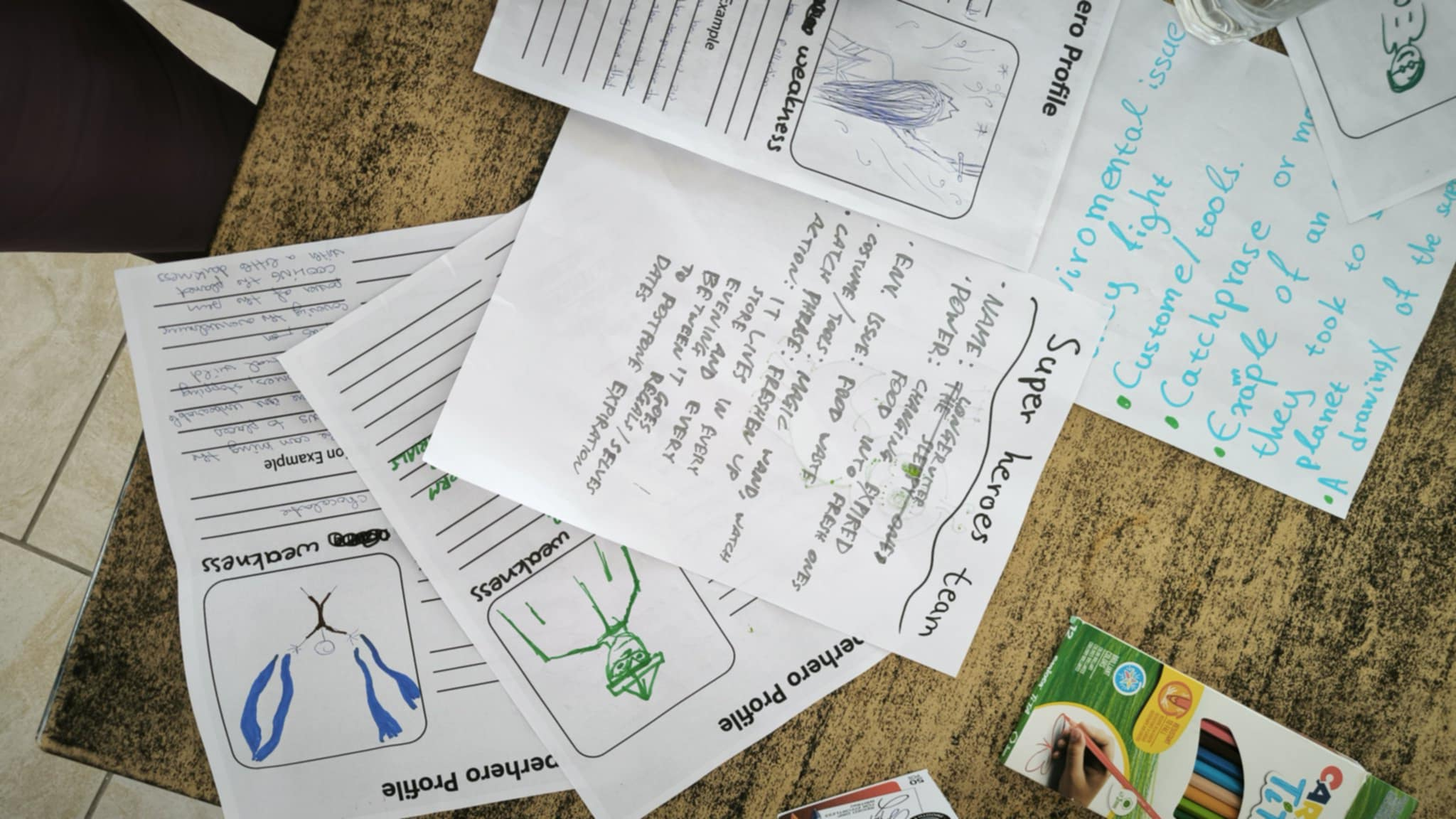
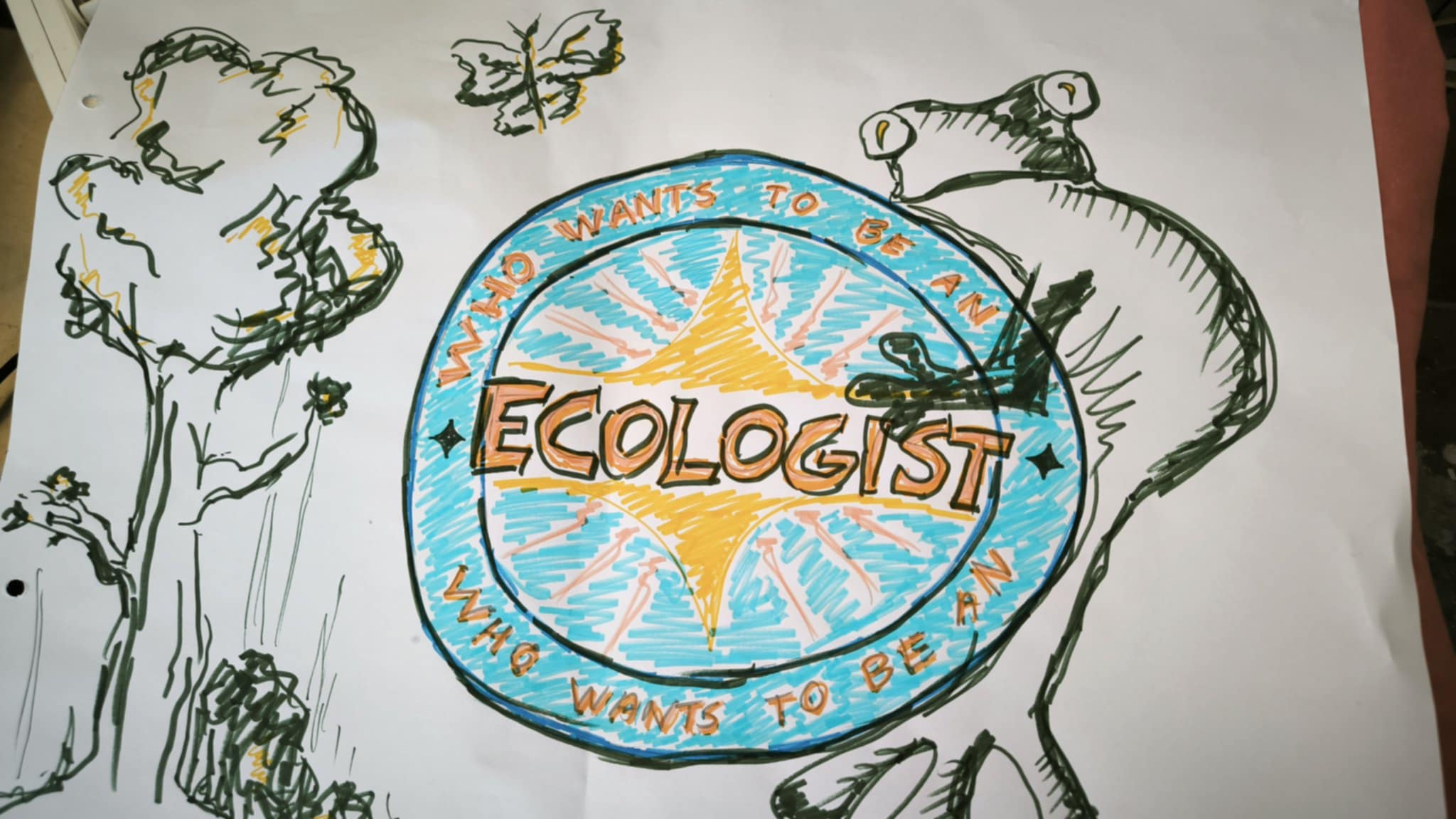
"Become a Hero"
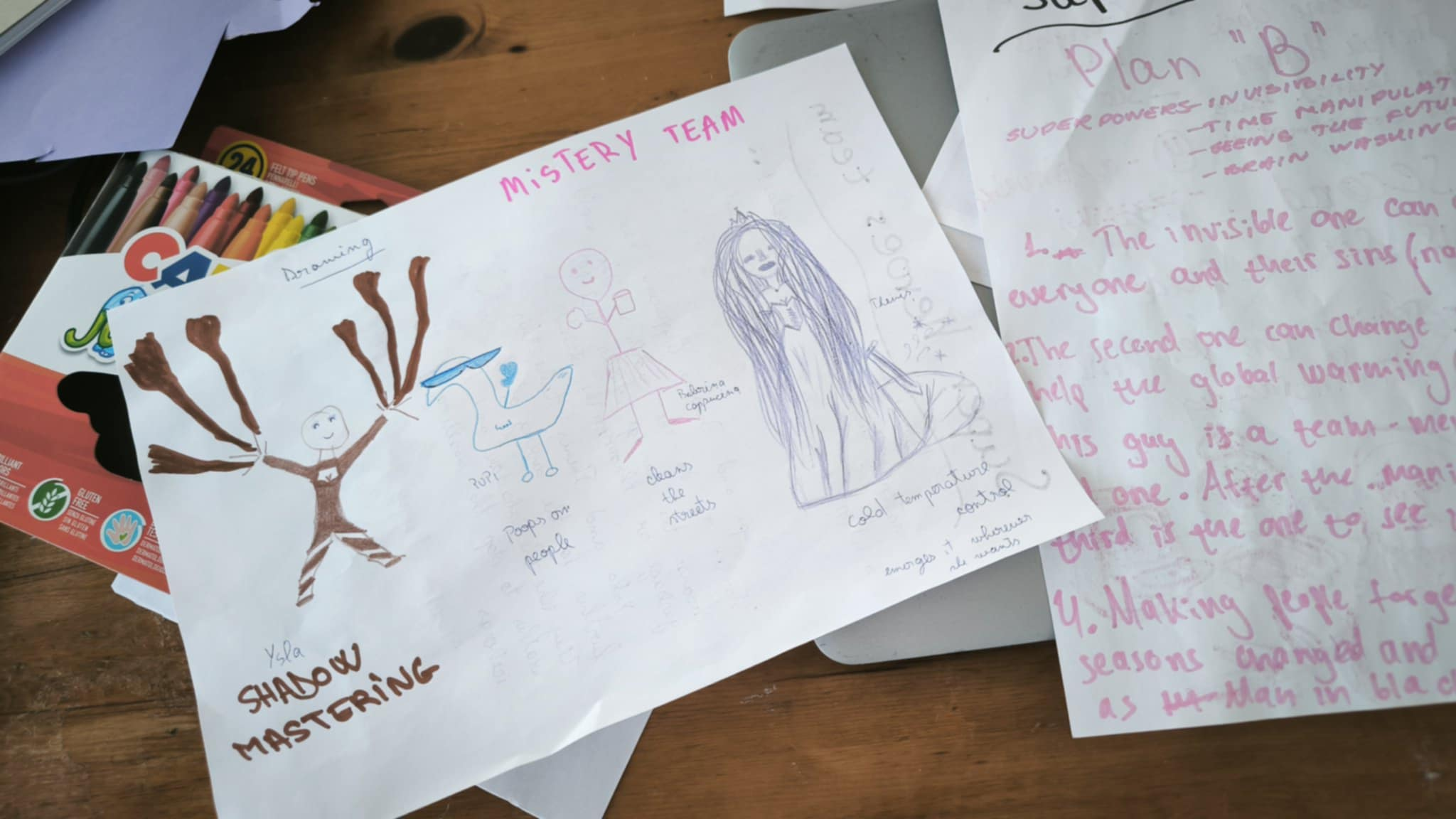
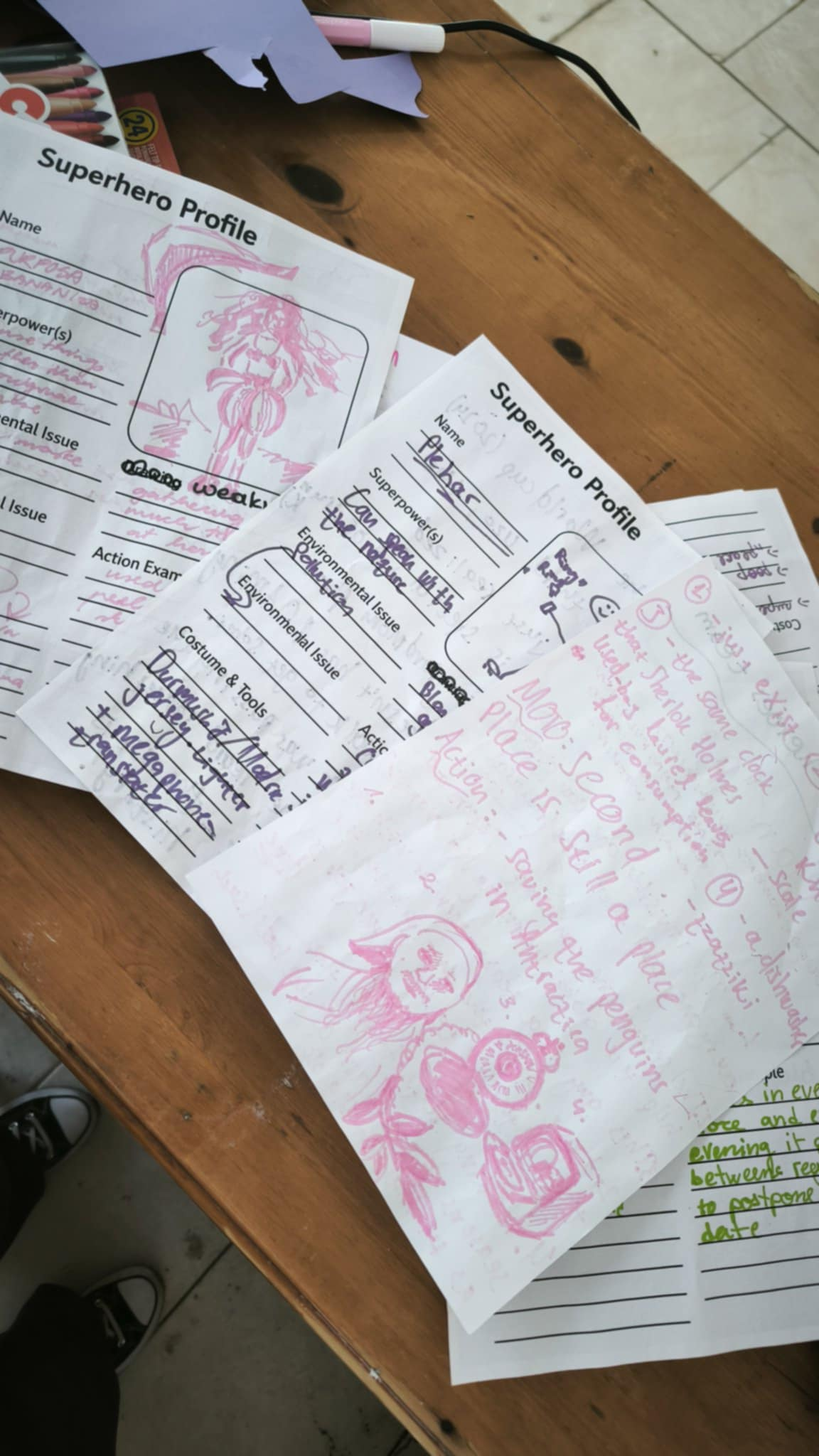
Participants created their own environmental superheroes, each with unique powers to tackle major ecological challenges. Through drawings, skits, and presentations, they brought their ideas to life, combining creativity and environmental awareness with playful teamwork.
"My favorite belonging"
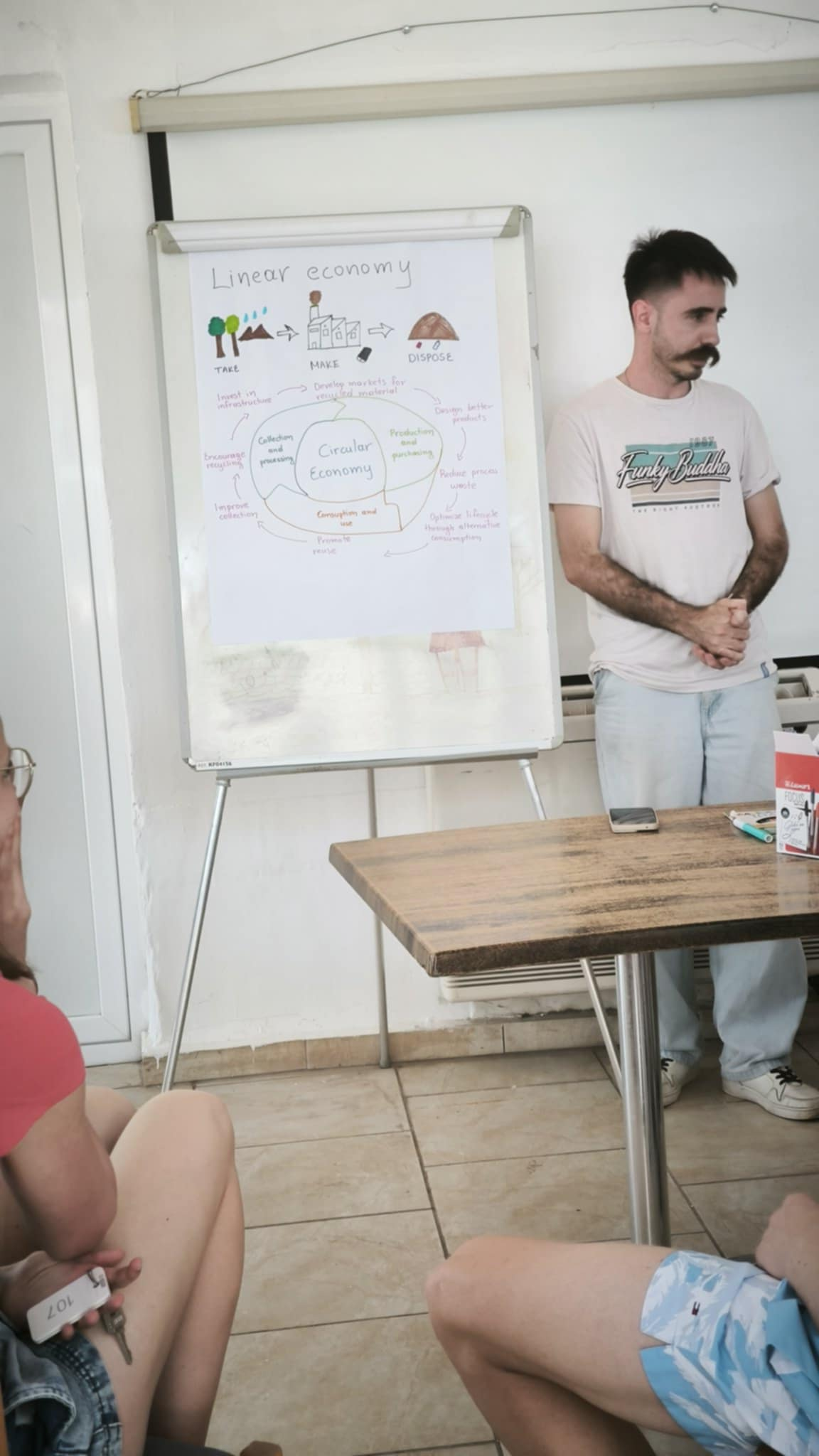
Participants shared their favorite personal belongings and explored what happens to the materials once those objects reach the end of their life cycle. In groups, they discussed ways to integrate them into a circular economy, realizing that even our most personal items can find a sustainable second life.
"Recyclable or not?"
Participants explored which products can be recycled and which cannot, using real-life examples. They sorted everyday items into categories, strengthening their knowledge about recycling while reflecting on the role of personal choices in environmental responsibility.
"A circular trip: Preparation"
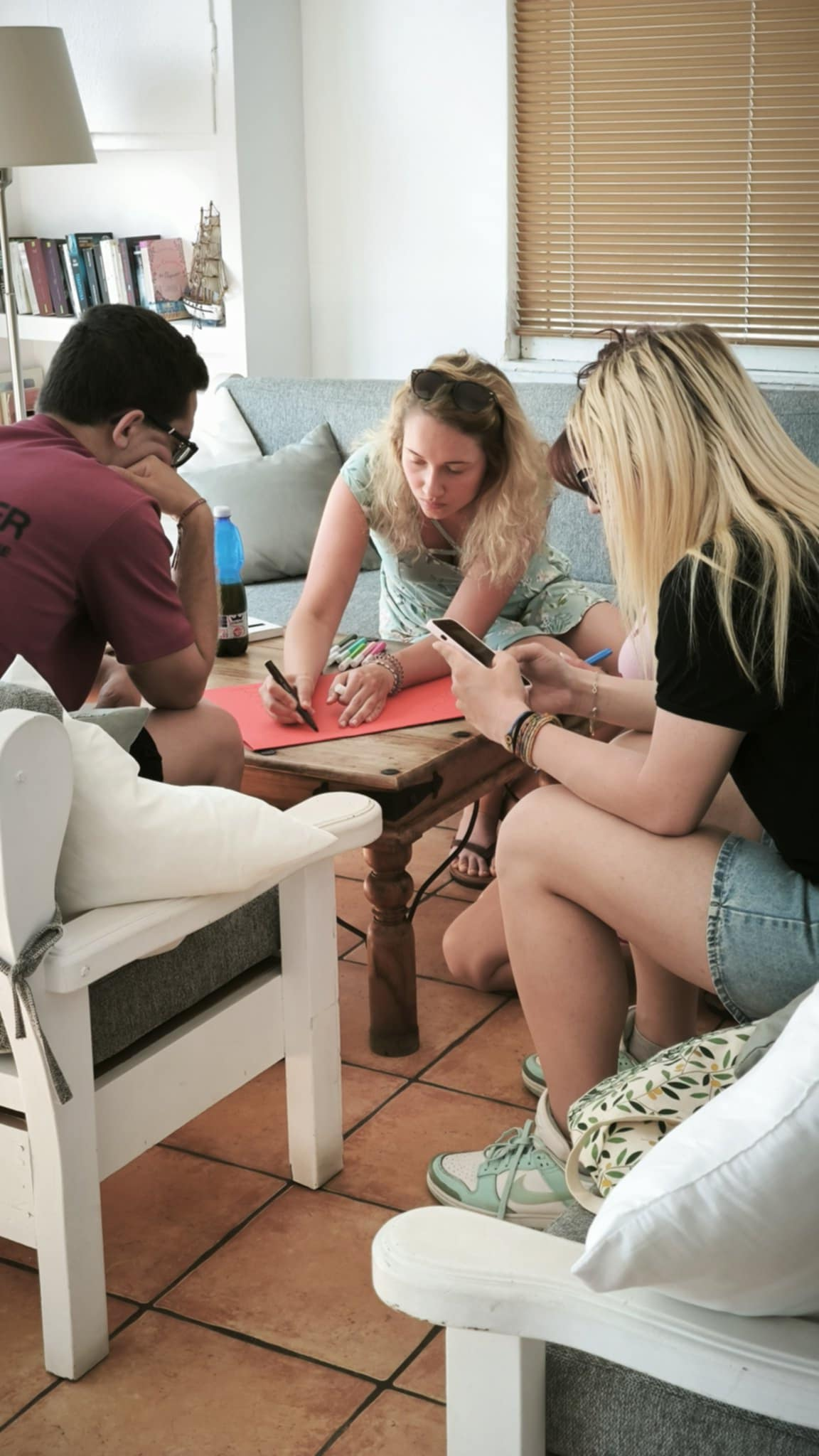
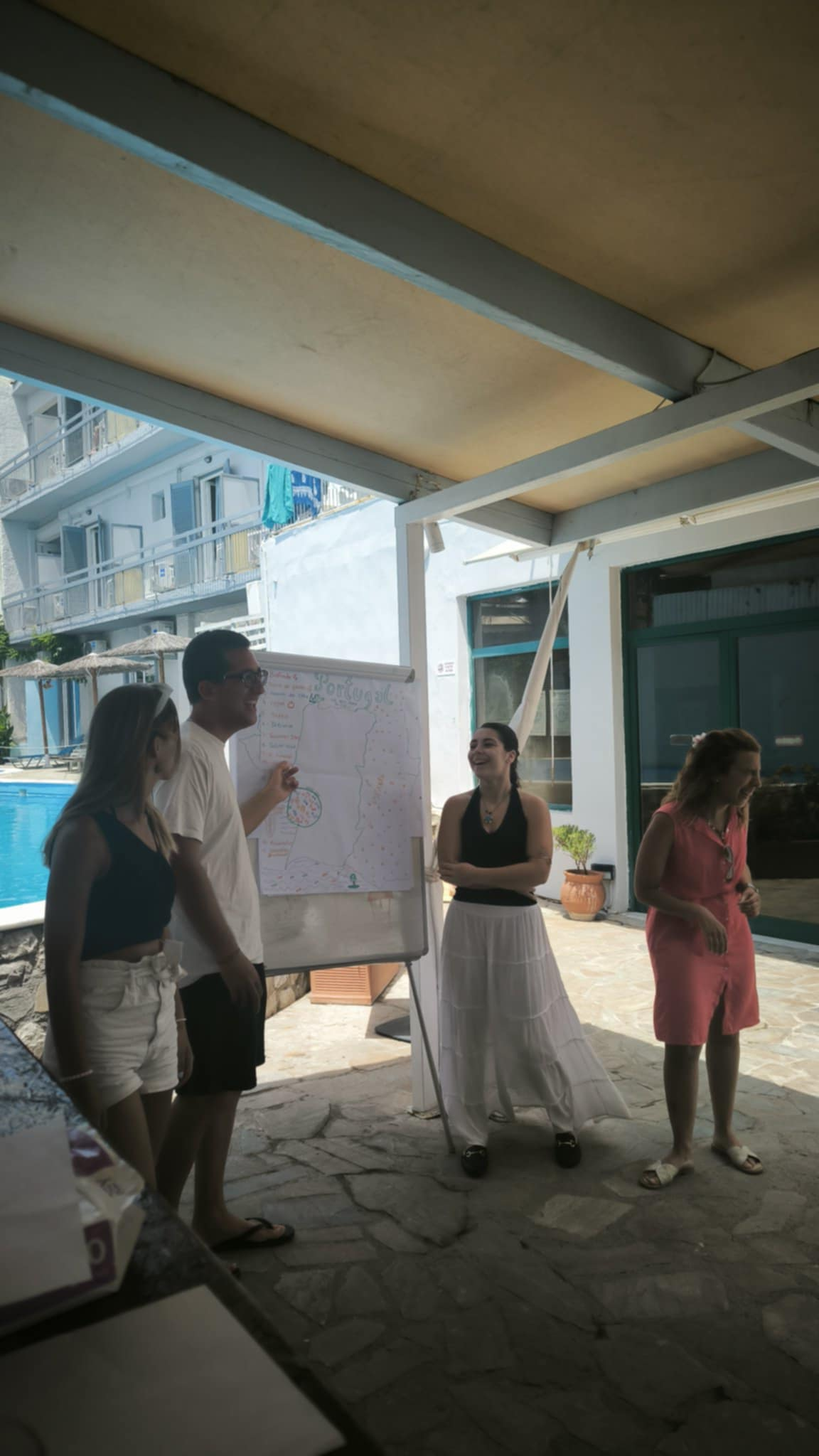
Groups conducted research on the state of the circular economy in their own countries, identifying both its benefits and the challenges of implementing it. They then developed questions and discussion points to enrich upcoming activities, enhancing their research skills and critical thinking.
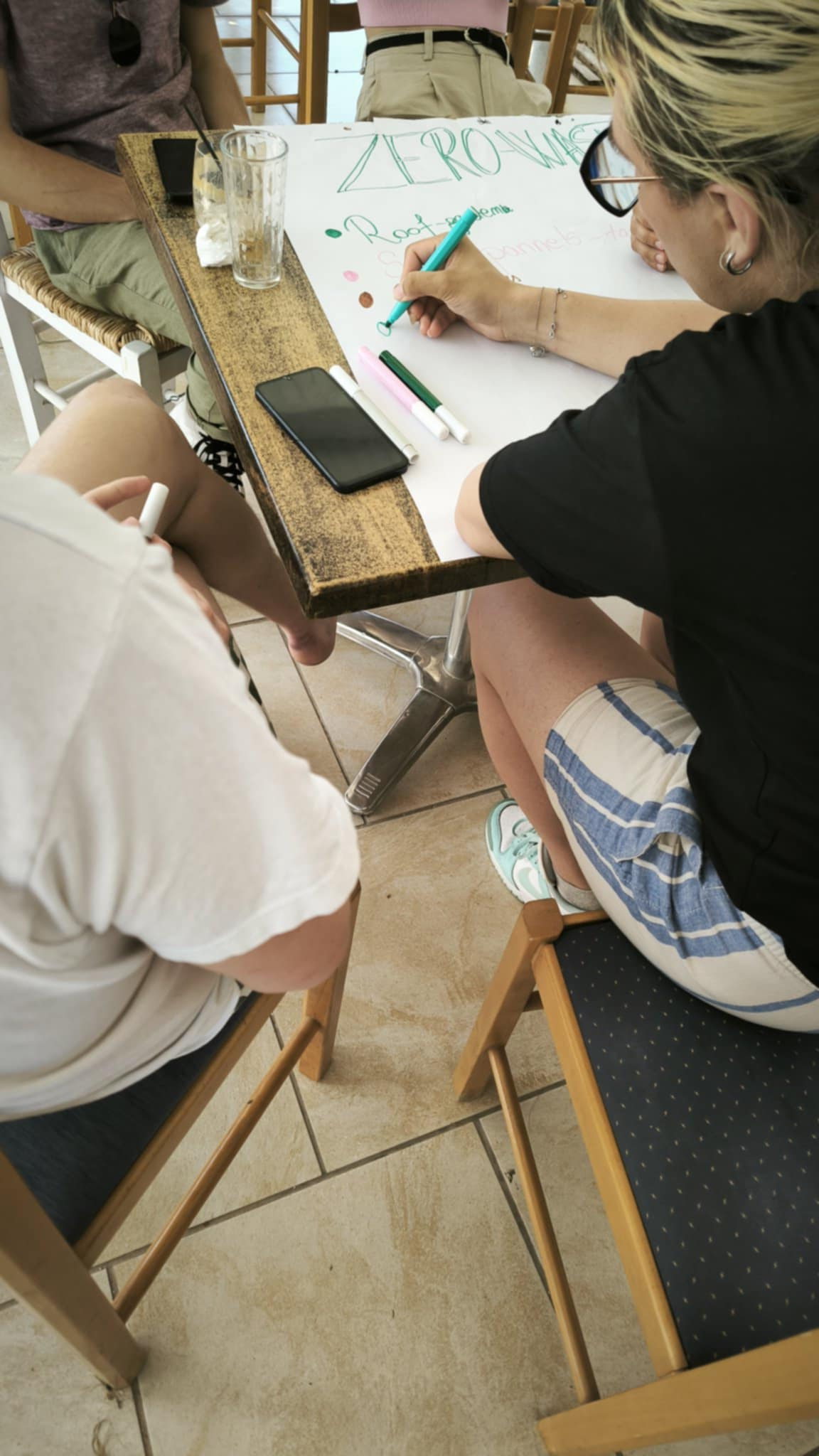
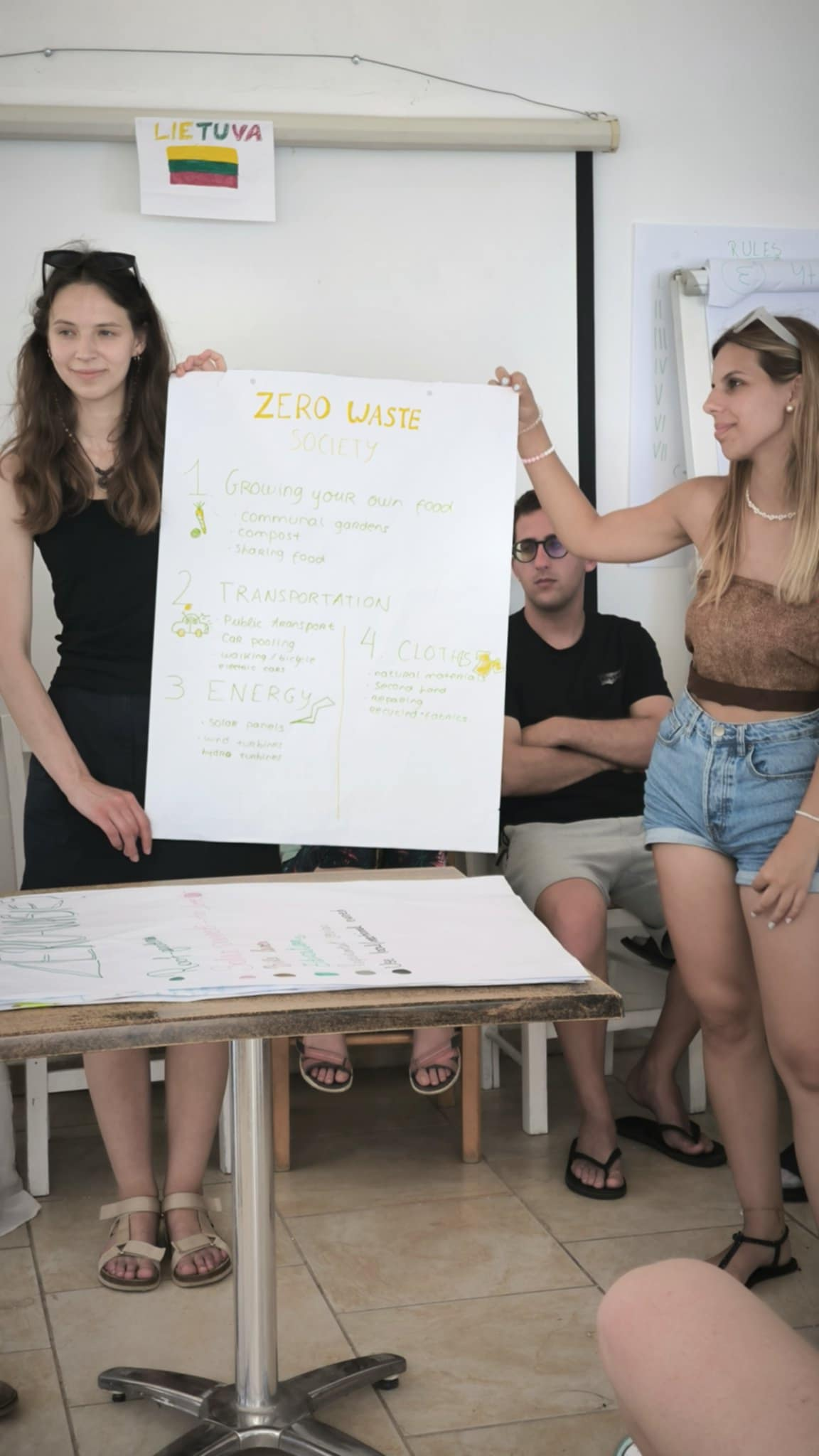
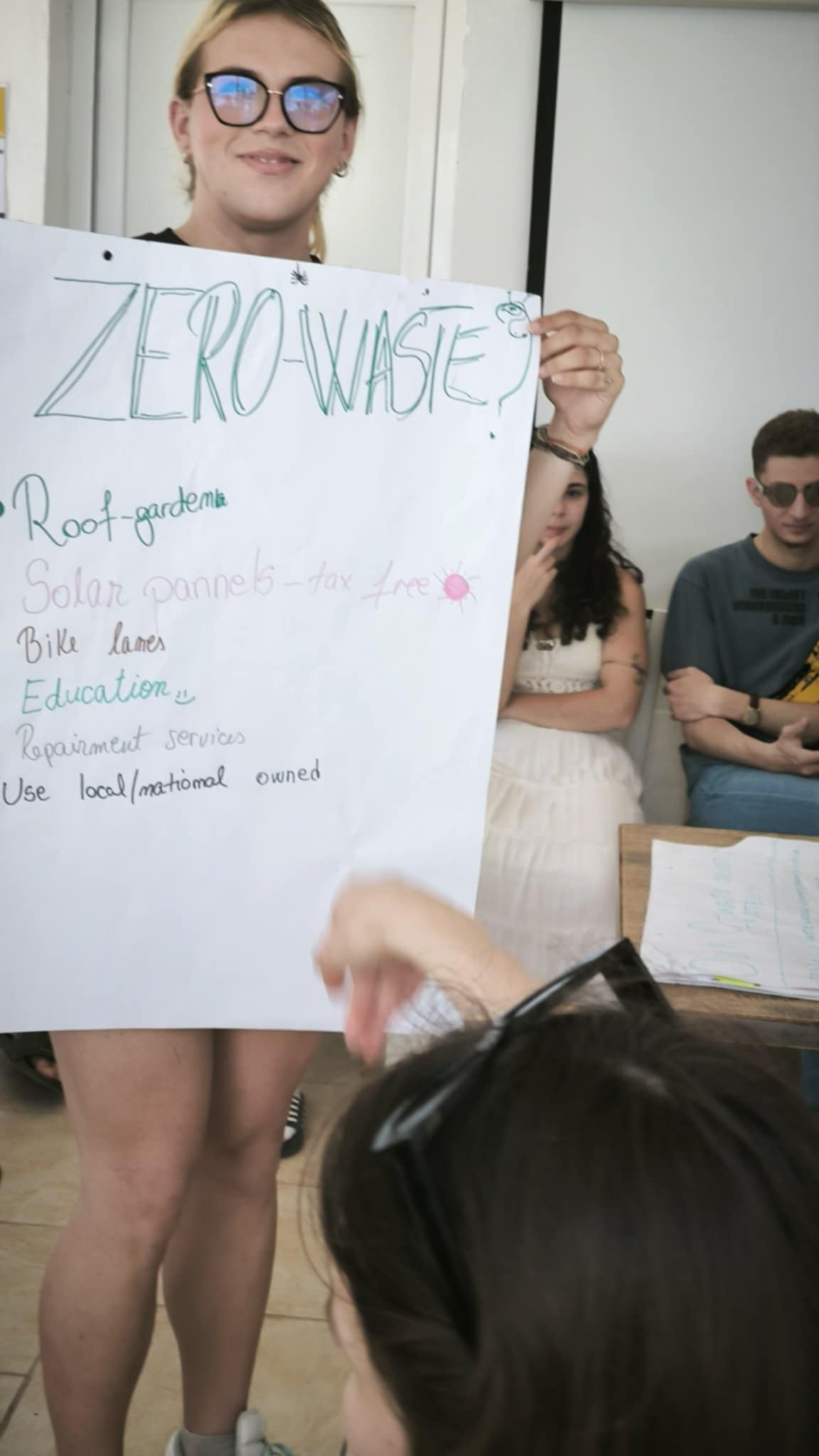
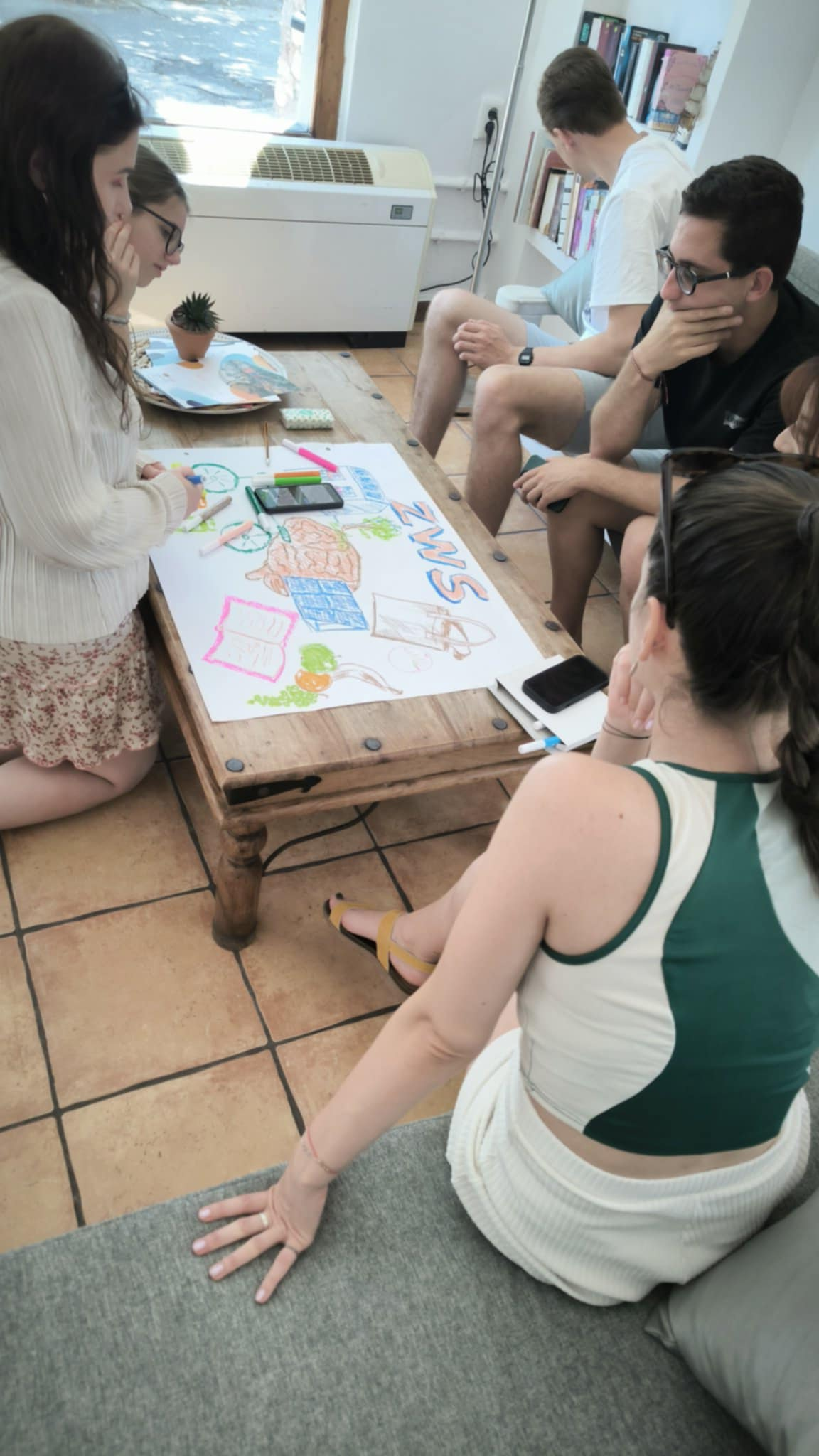
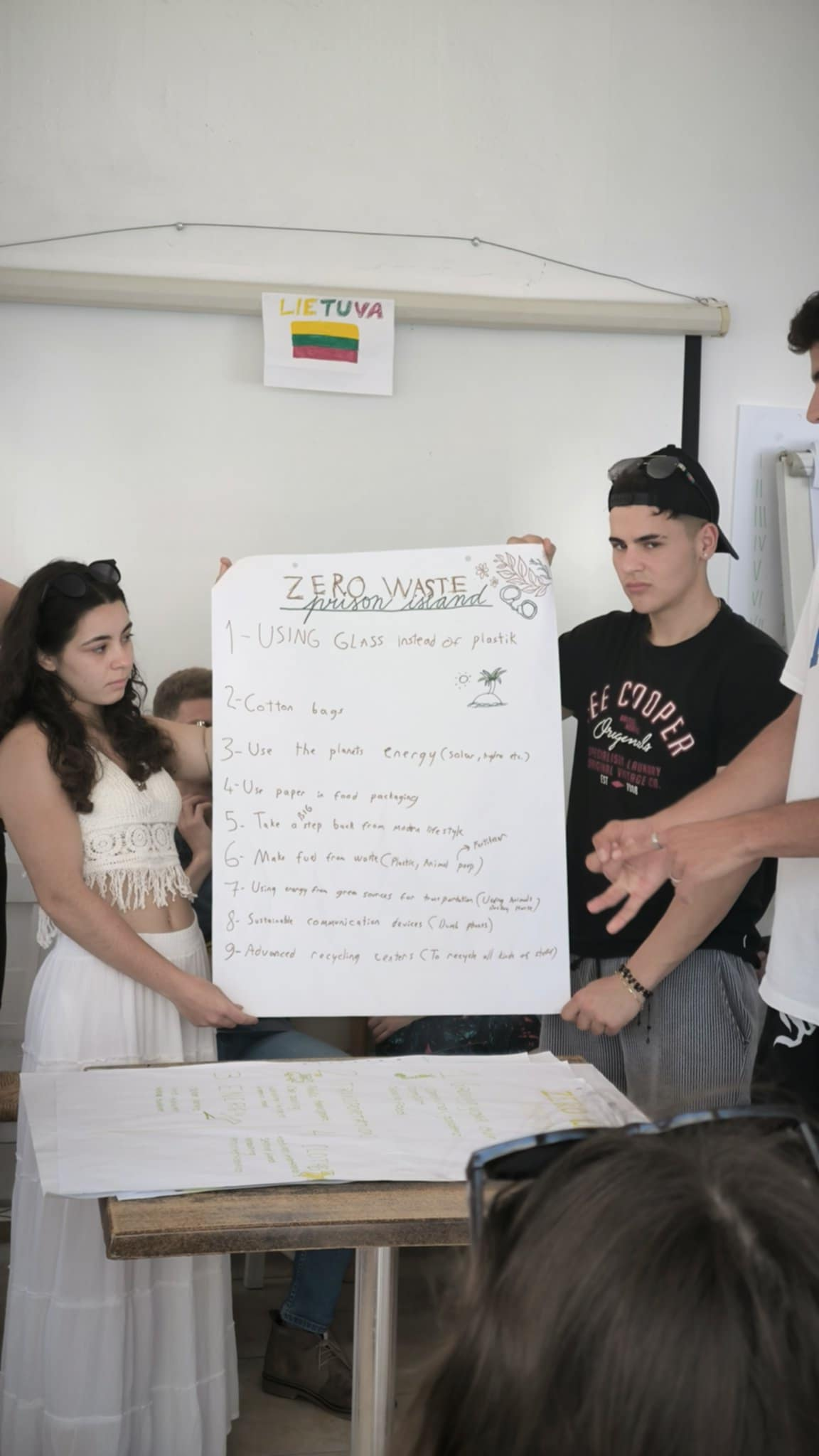
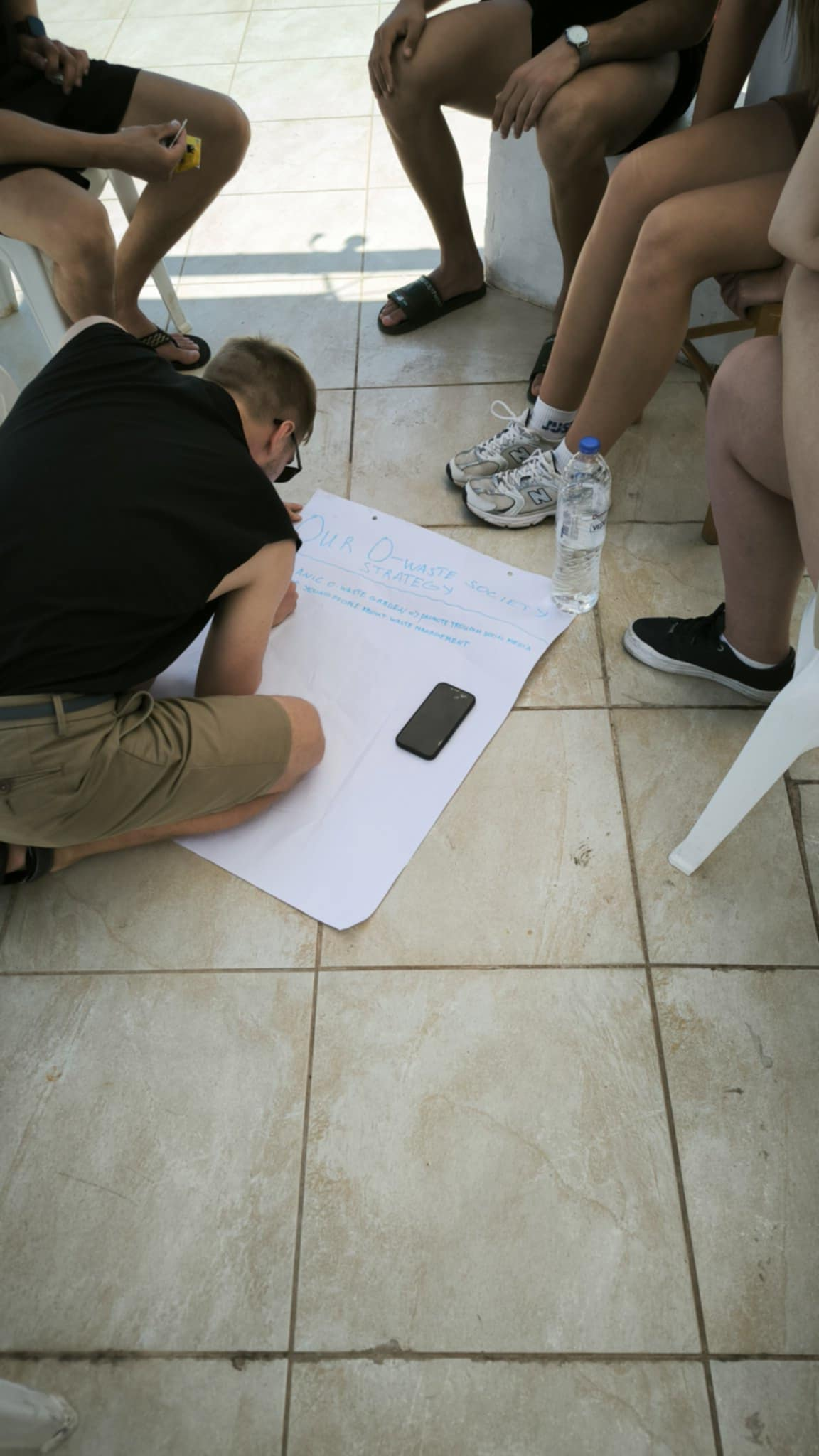
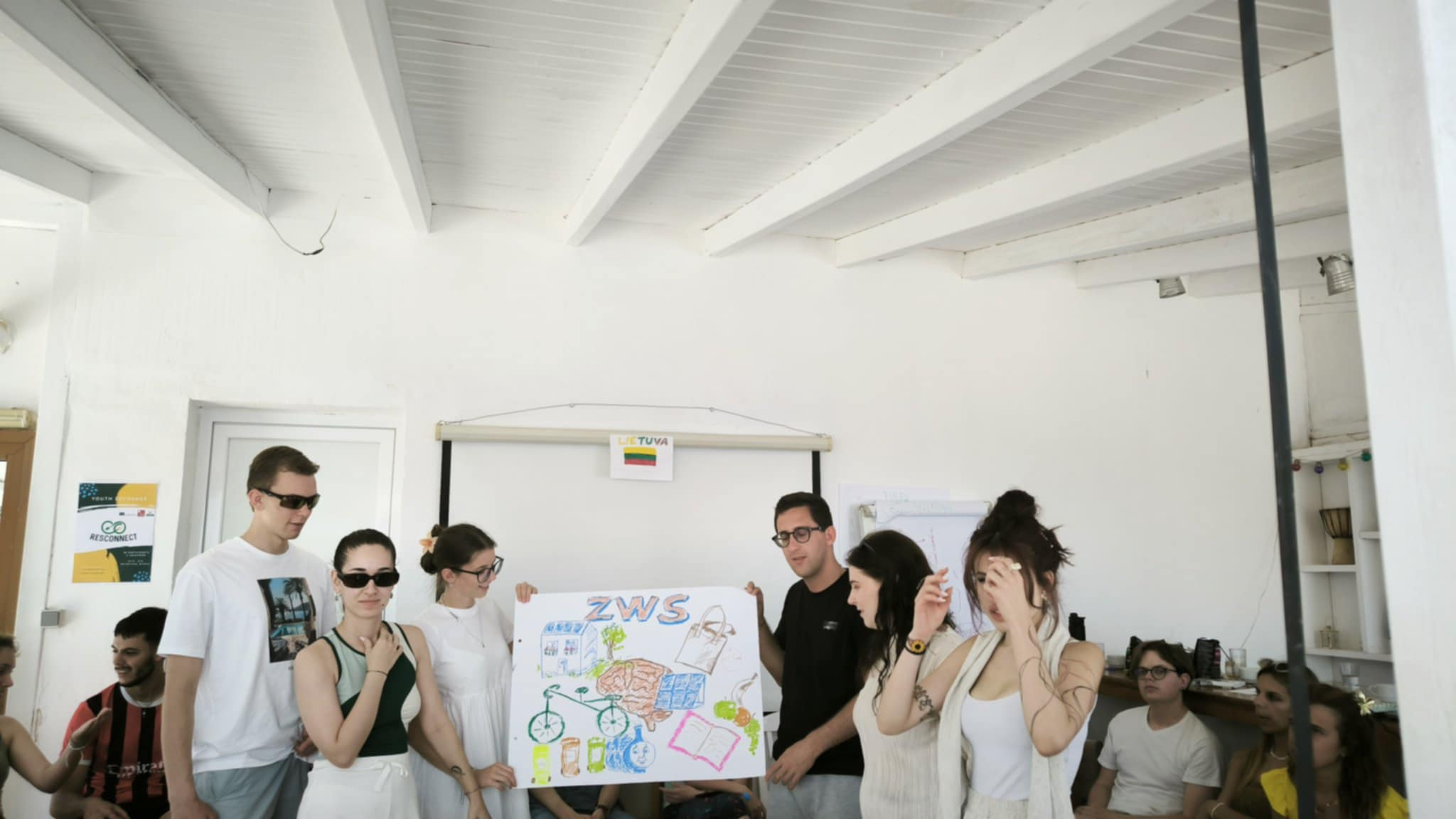
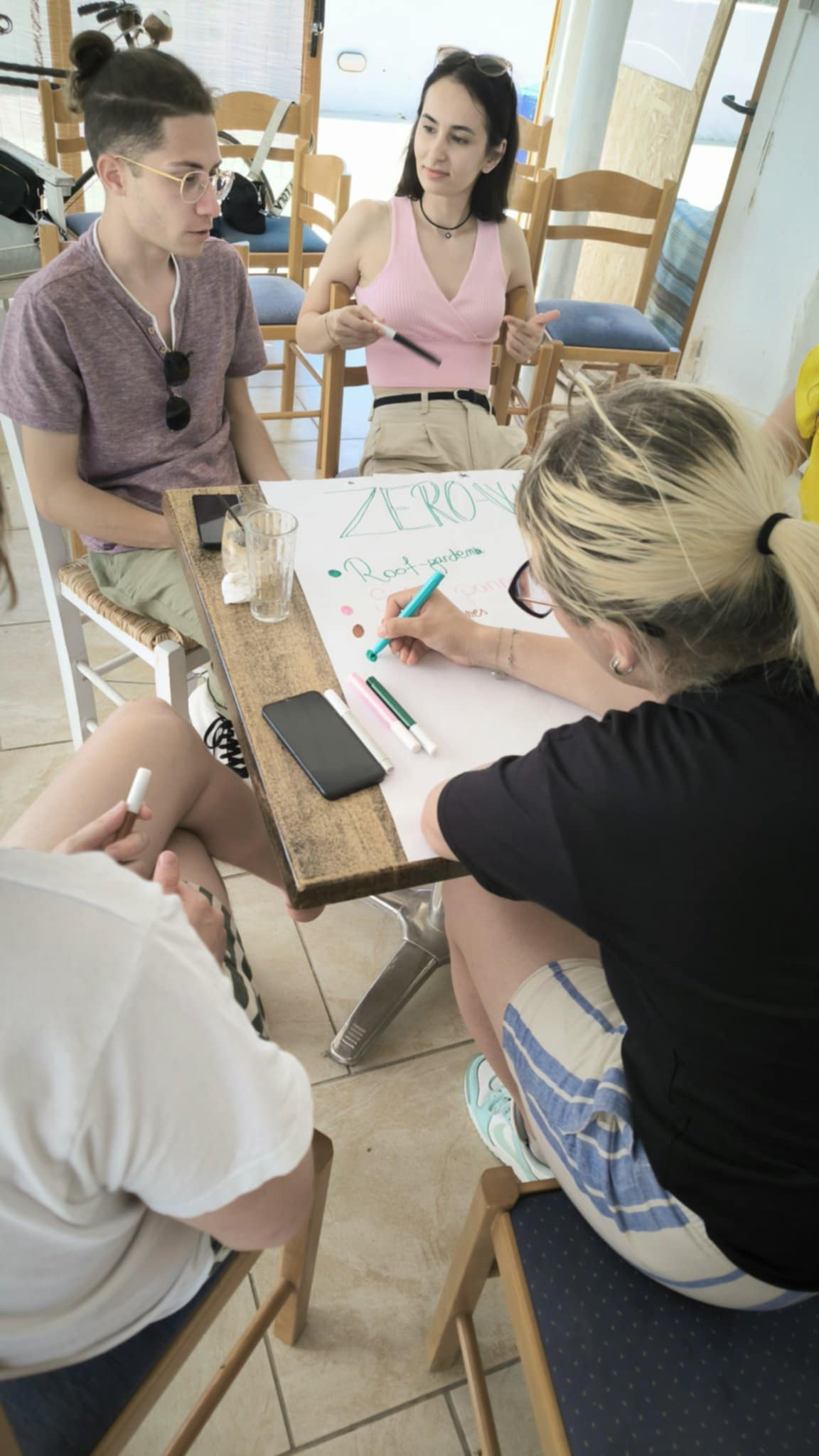
"Imagine your 0 waste society"
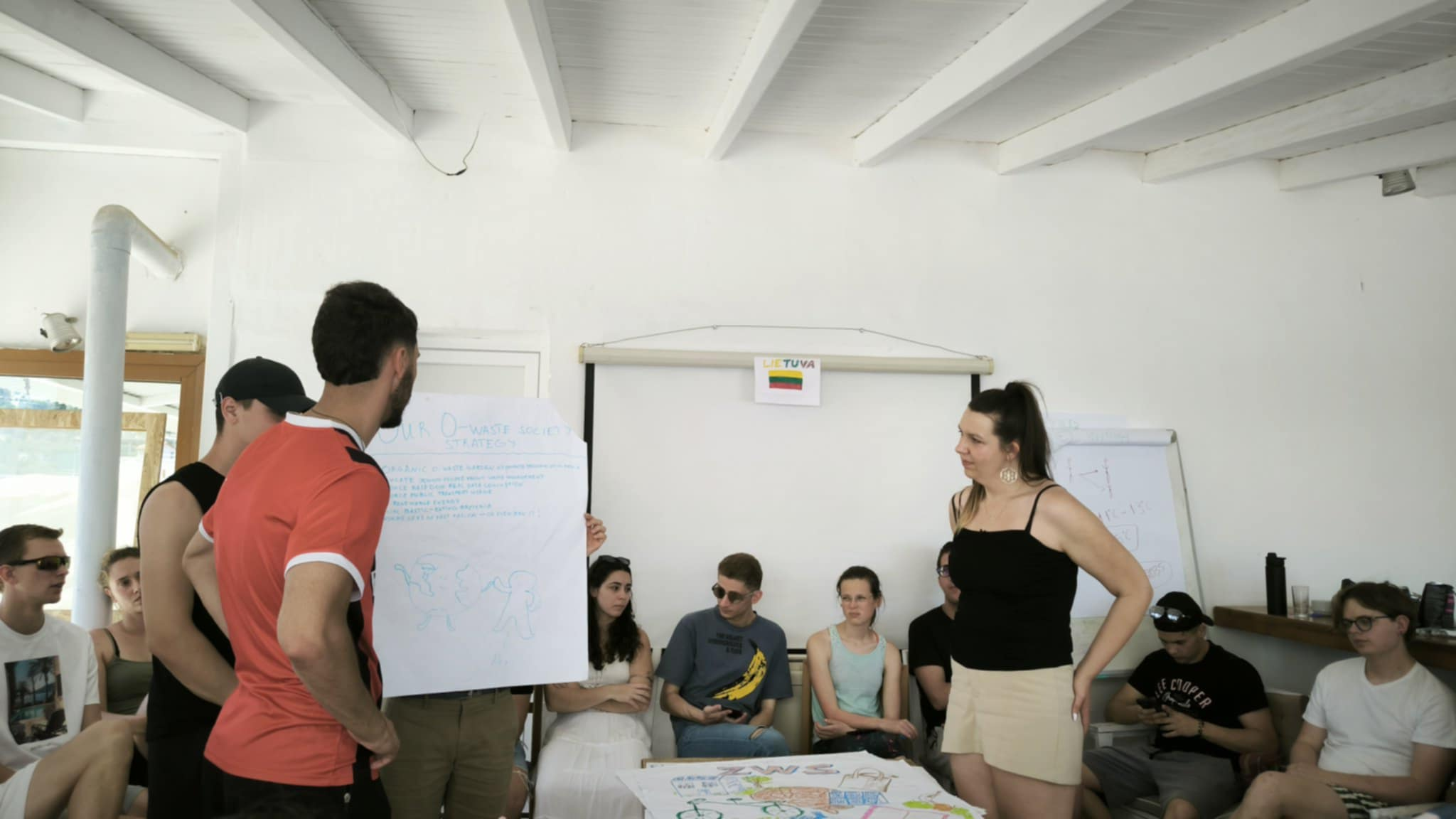
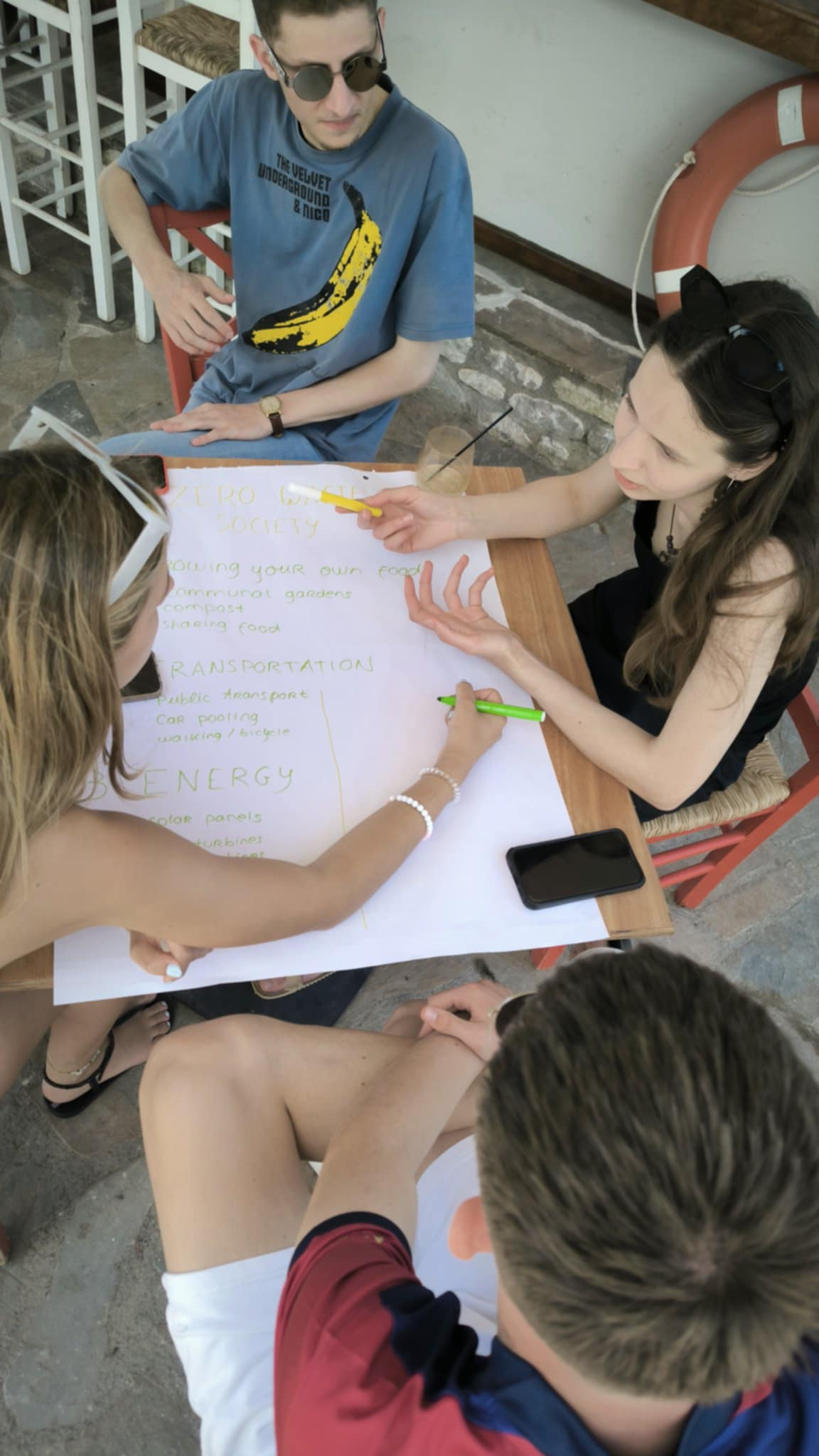
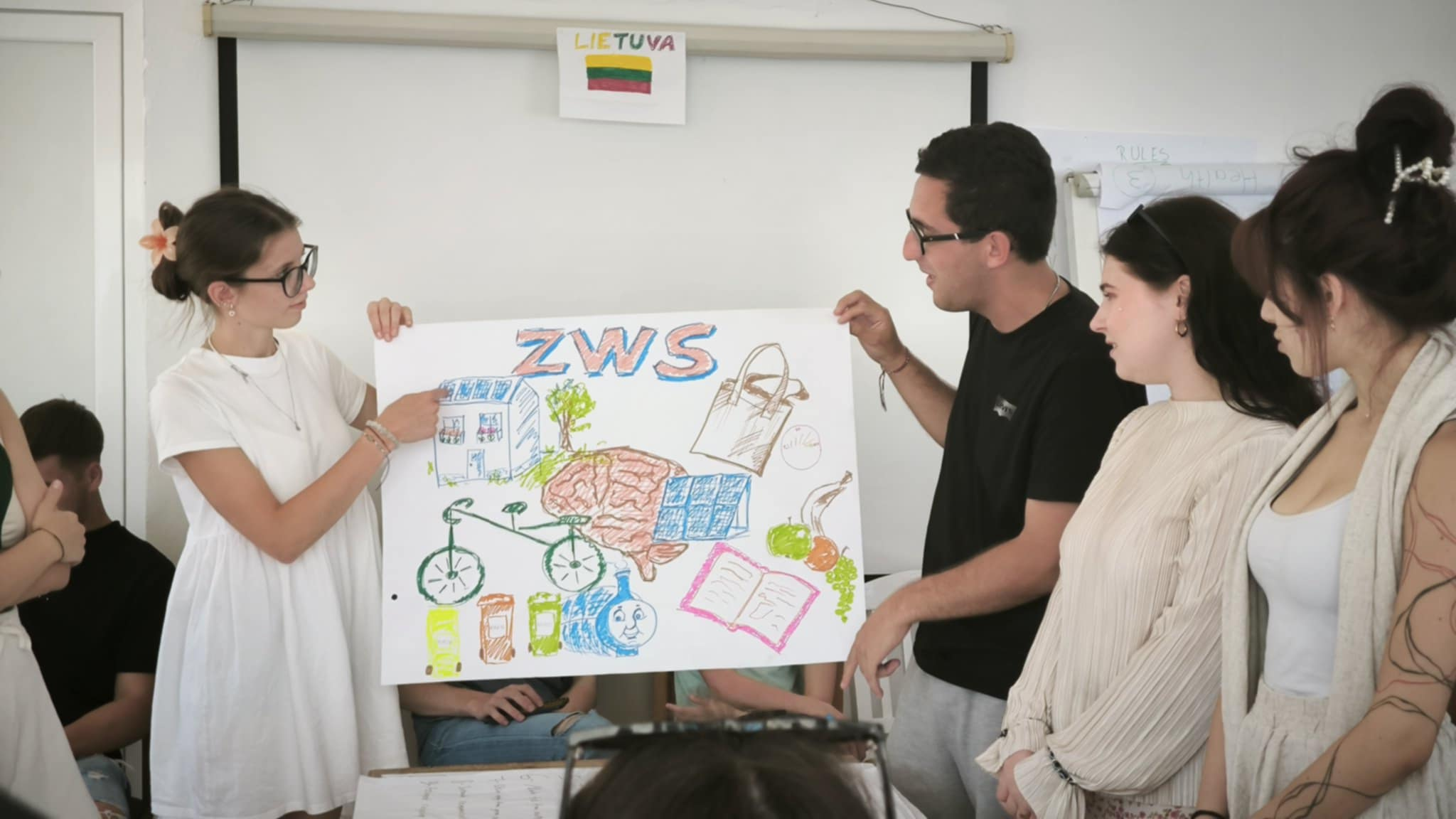
Inspired by the example of Tilos, the first Mediterranean zero-waste island, participants designed their own waste-free societies. They presented innovative ideas for waste management, education, and citizen engagement, developing both creative and critical thinking around sustainability.
"Let's Cooperate"
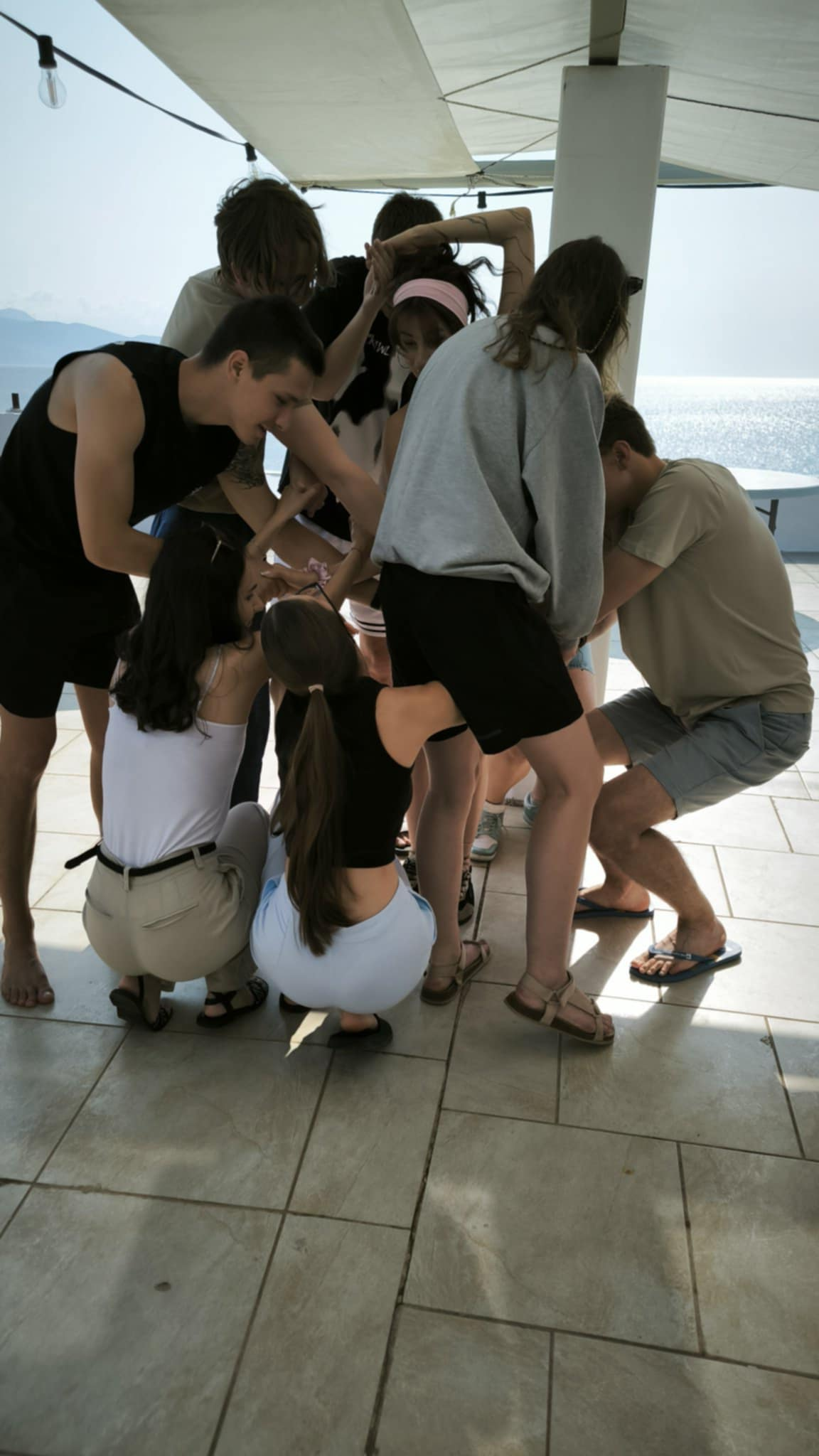
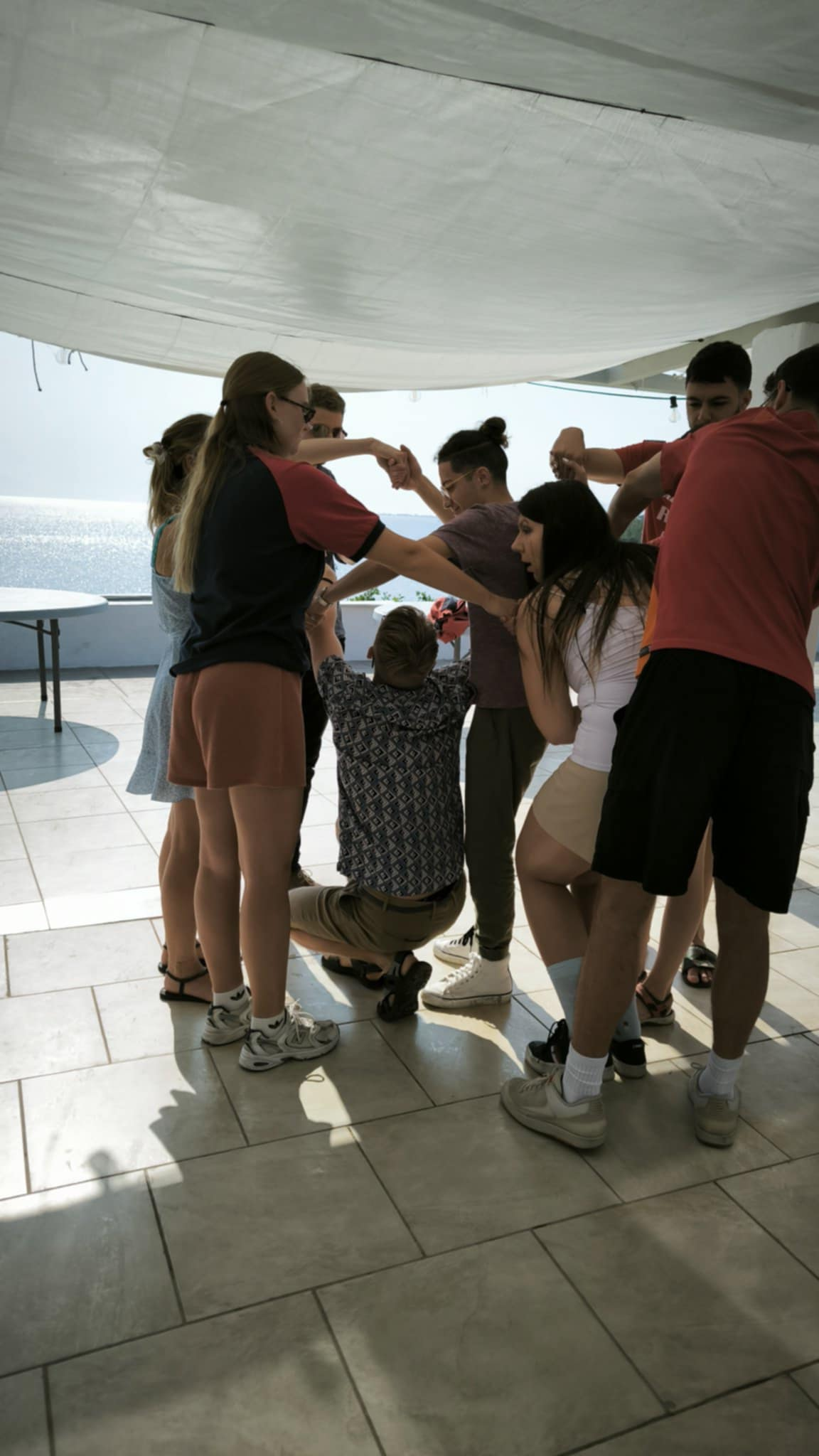
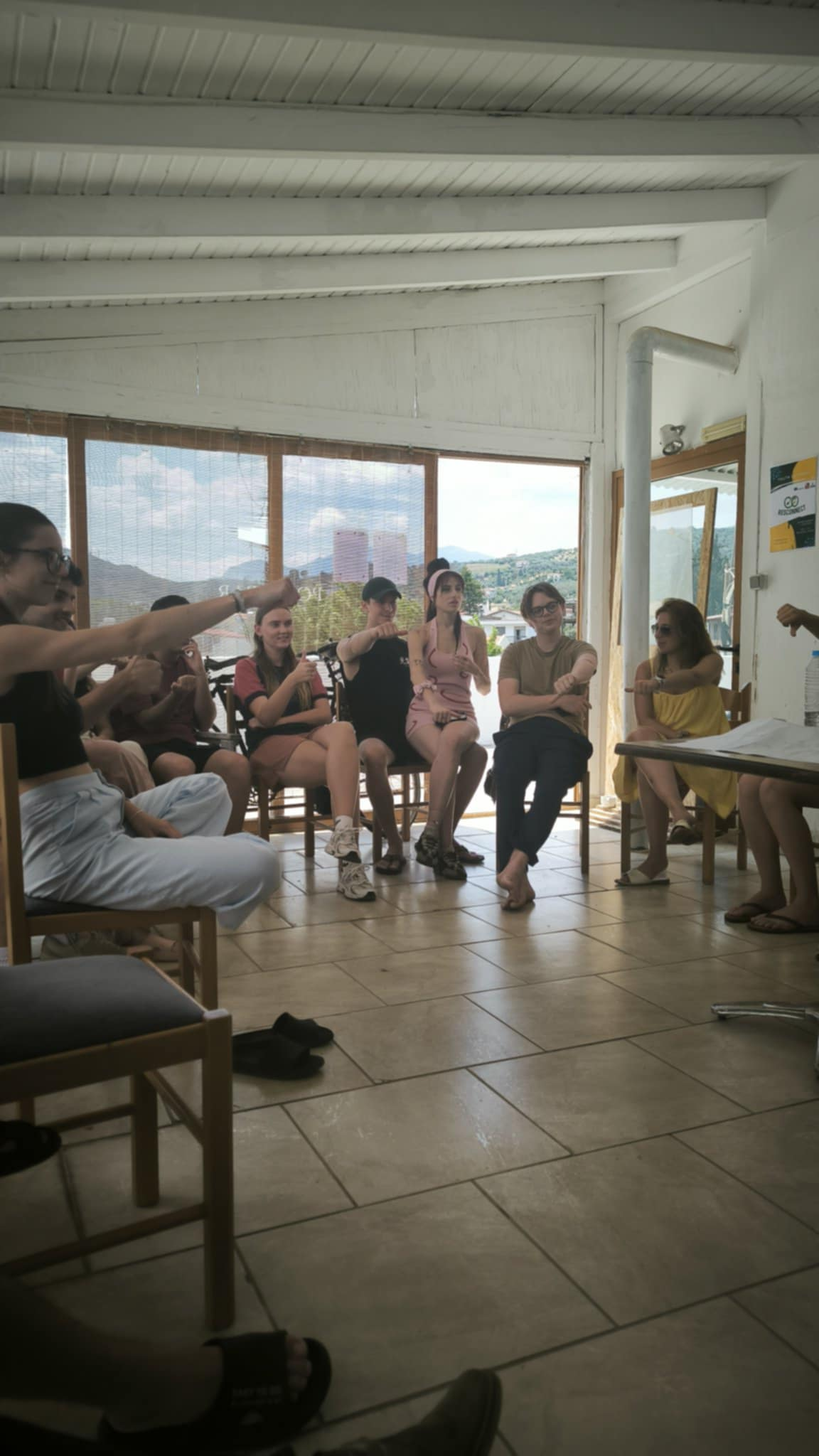
In this collaborative activity, participants tried to prevent one player from sitting on a chair by moving strategically around the circle. The player symbolized climate change, while the group represented society working together to hold it off. The exercise highlighted the importance of cooperation in facing environmental challenges.
"Discussion for our Future"
Through role play, participants debated whether to build a factory in a fictional community, each defending the perspective of their assigned role. The activity promoted empathy, critical thinking, and understanding of sustainability challenges.
"Ai4YouthWork"
Participants explored the “Ai4YouthWork” platform, completed short online learning modules, and reflected on how digital tools and AI can support youth work and sustainability initiatives.
"Circular economy map"
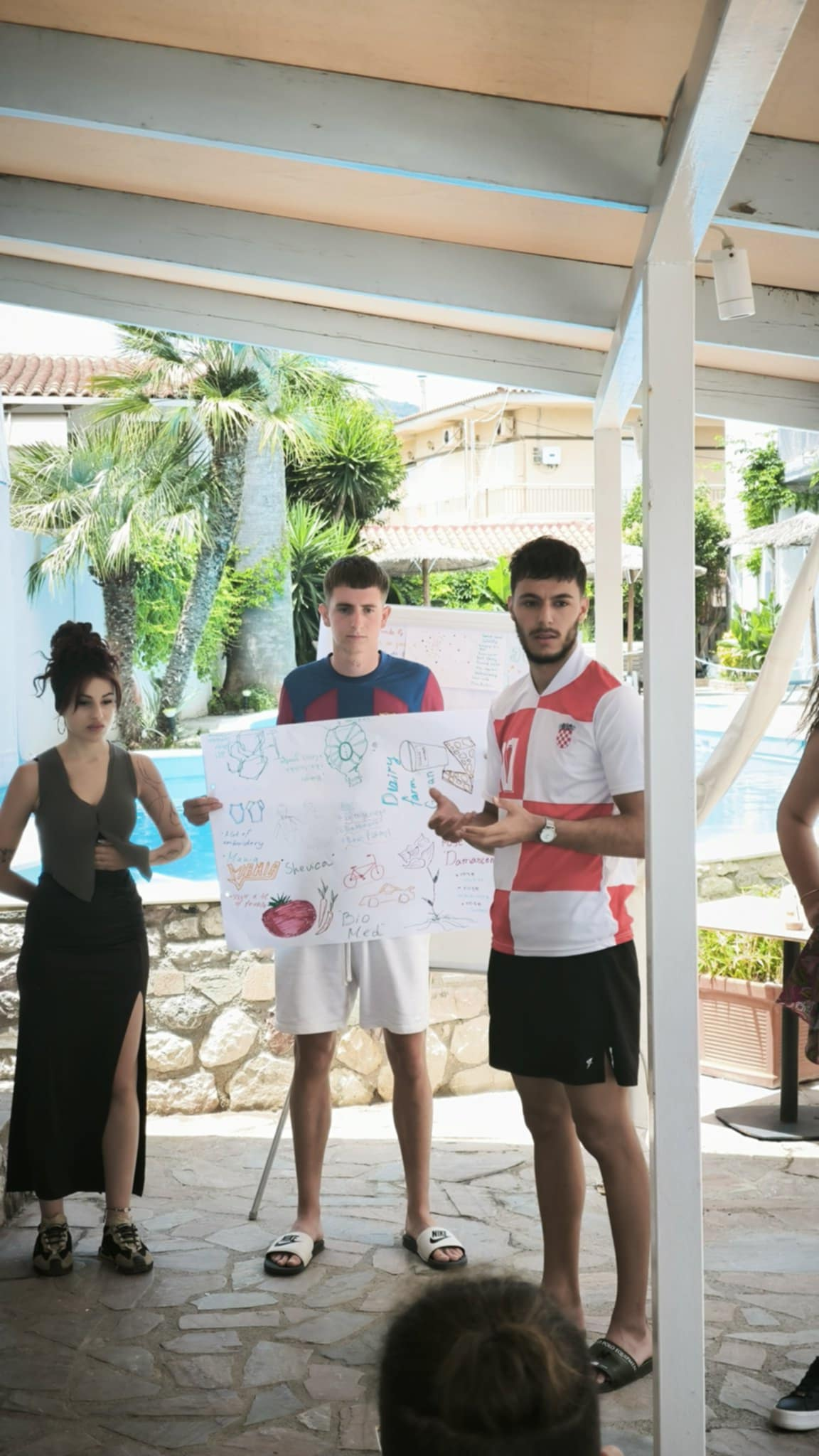
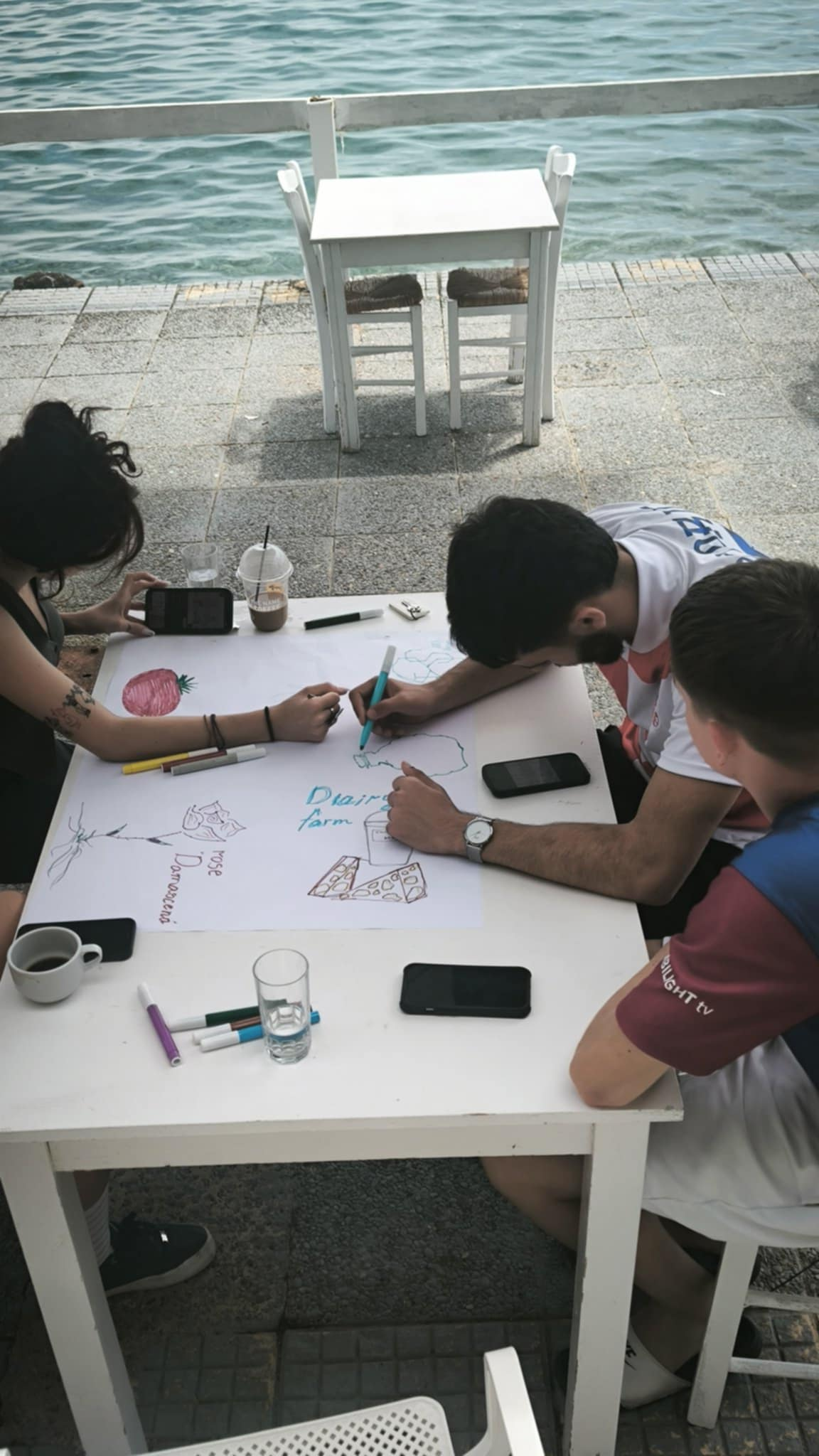
Participants identified businesses and initiatives in their hometowns that promote reuse and recycling, creating a shared map later disseminated online. This helped connect circular economy concepts with local realities.
"Young people to circular economy"
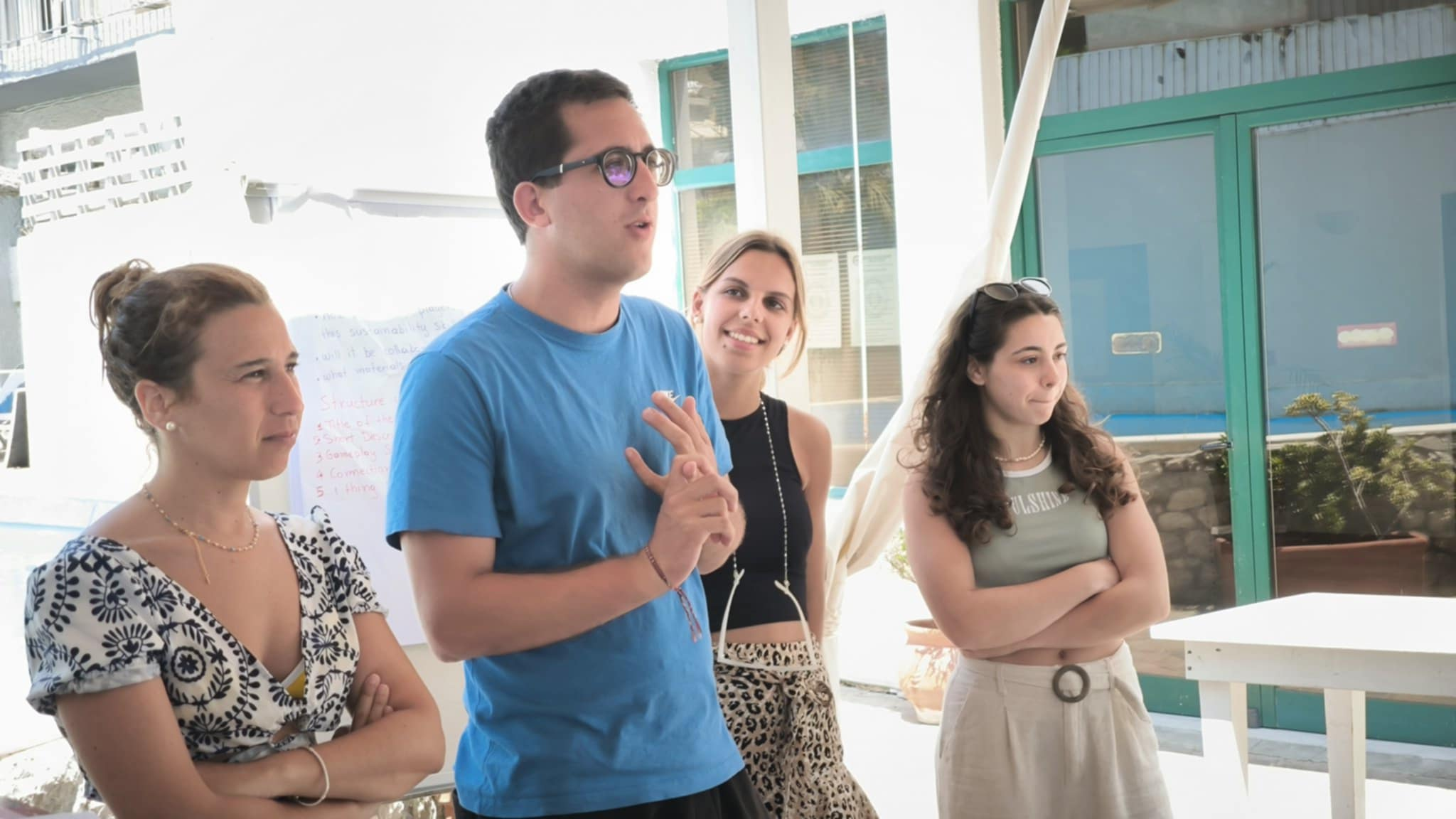
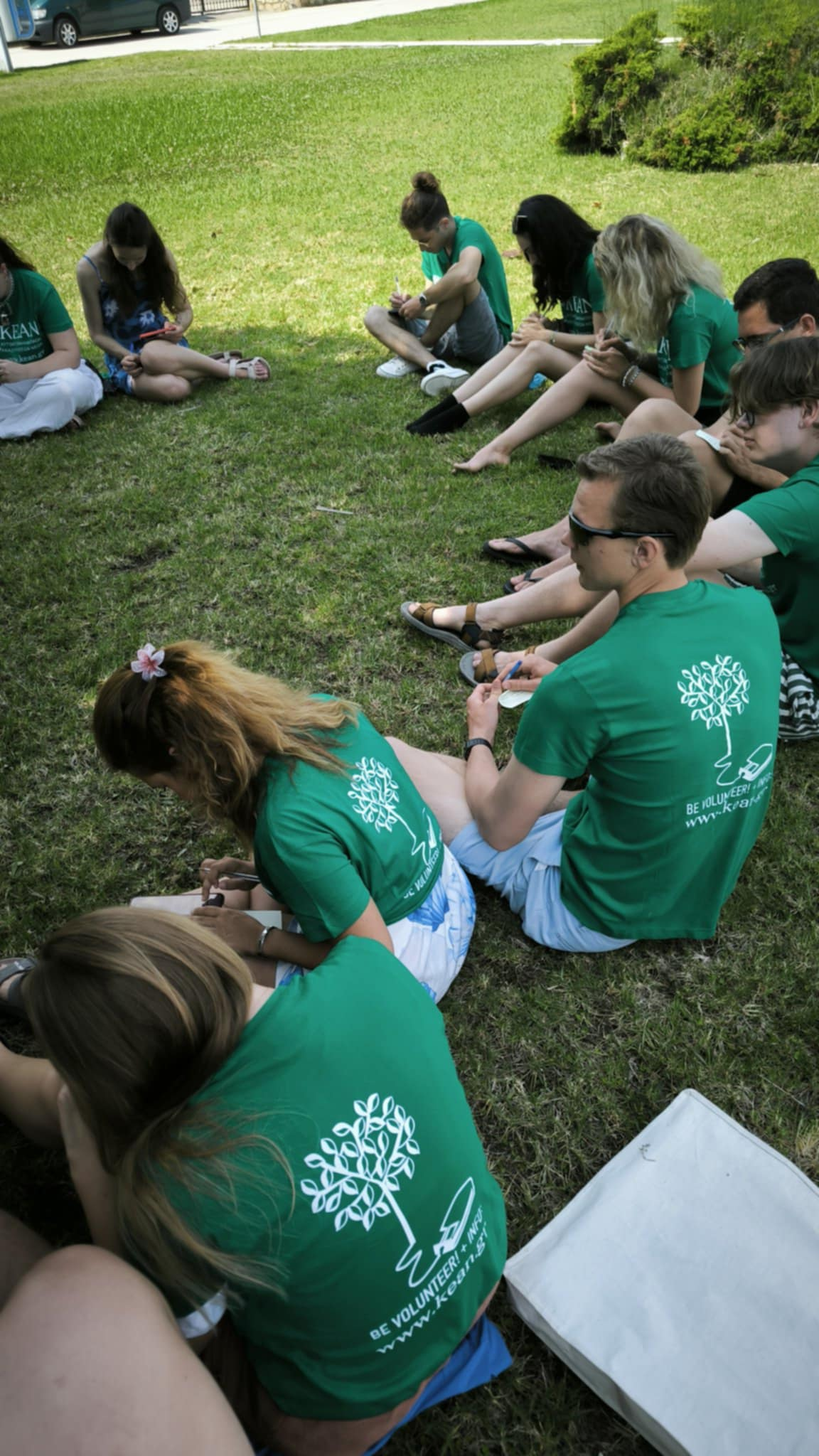
In this interactive brainstorming workshop, participants shared and developed ideas for youth-led activities connected to sustainability and the circular economy. They discussed concrete ways to involve and inspire other young people, focusing on motivation, creativity, and practical tools for action. The session encouraged participants to think about their role as multipliers who can spread knowledge and drive environmental change within their communities.
"Start talking"
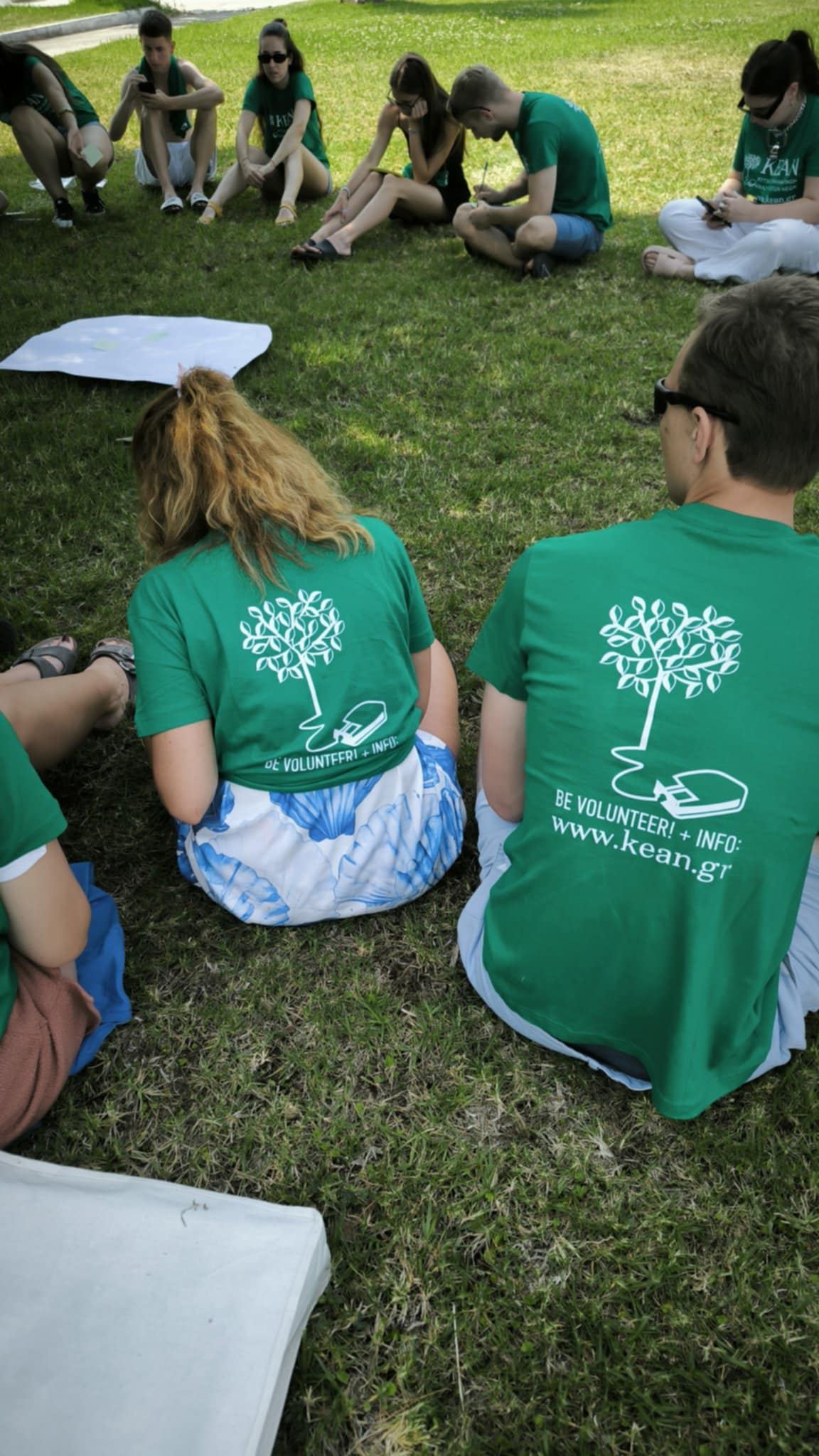
Through dynamic group discussions, participants explored how communication strategies and awareness campaigns can spark youth engagement in sustainability. They exchanged examples, created simple campaign concepts, and reflected on the importance of storytelling and visibility. The activity highlighted how effective communication can inspire action and reach wider audiences with positive environmental messages.
" Let's create our scenaria "
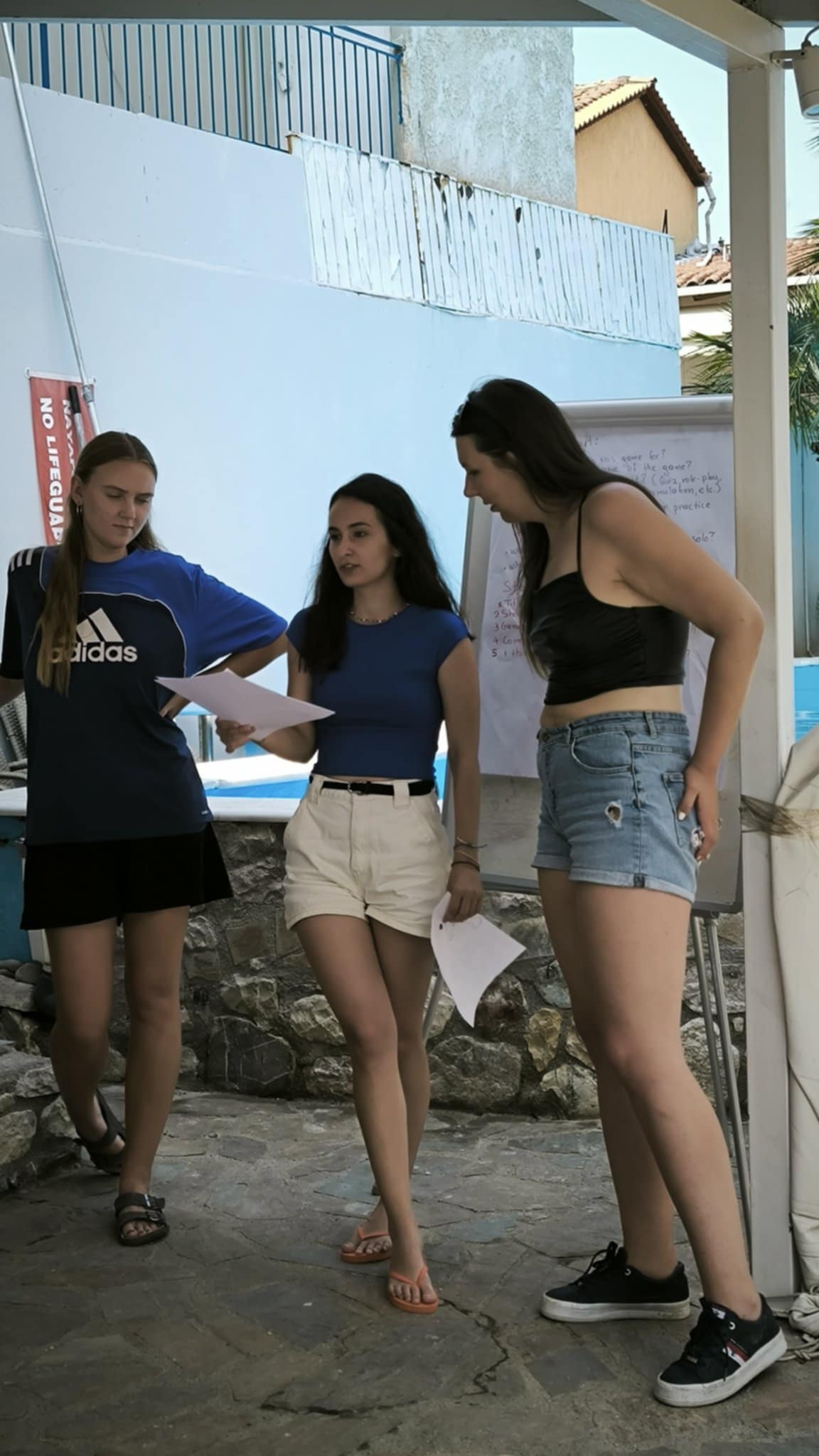
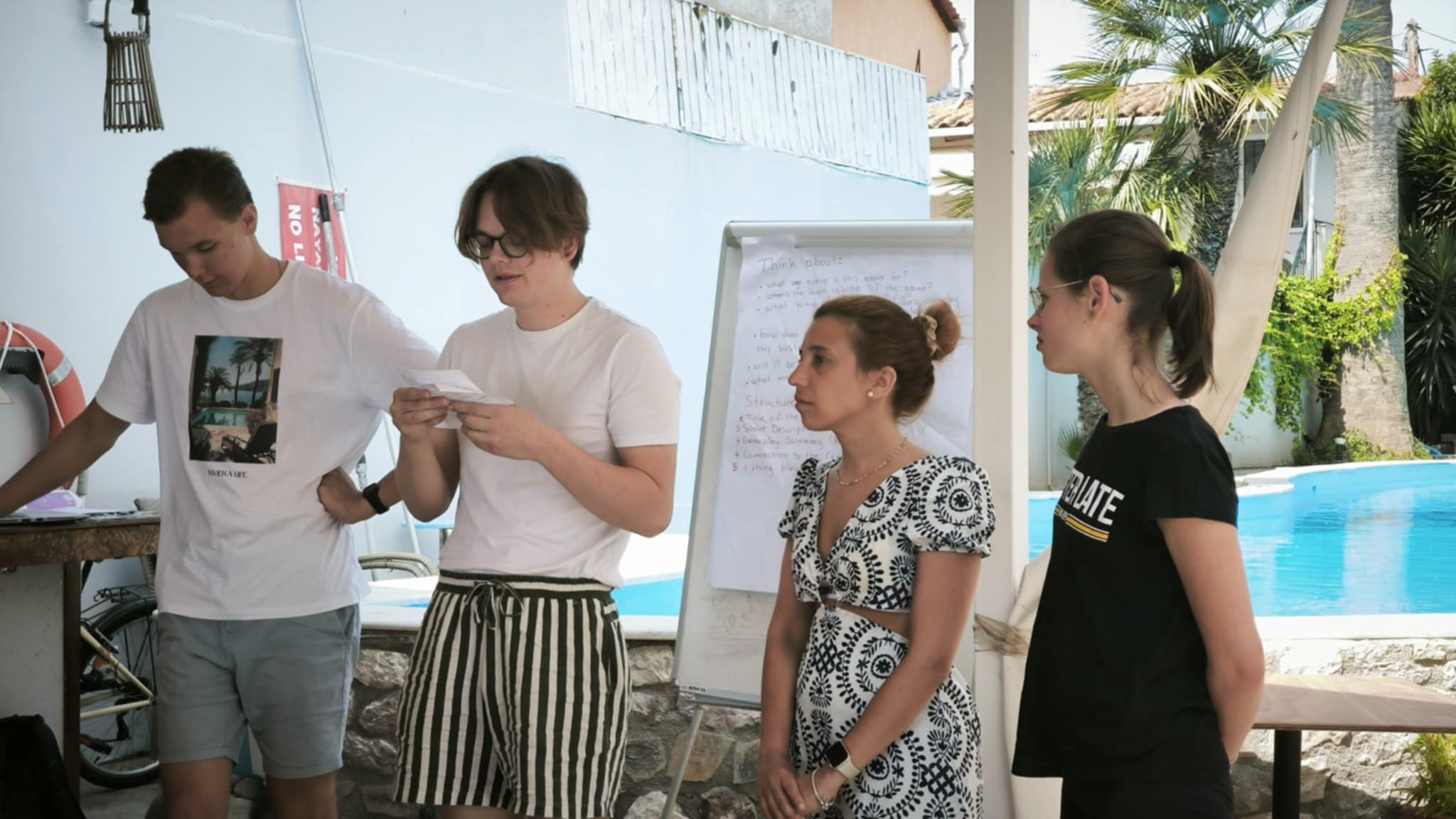
Working collaboratively in teams, participants designed original workshop scenarios based on sustainability competences. They outlined goals, activities, and expected outcomes, then presented their ideas to the plenary. The process allowed them to practice project design, test creative facilitation skills, and receive constructive feedback, helping them to see how educational activities can promote environmental awareness in engaging ways.
"Go for circular economy"
In this activity, participants worked in groups to research and create videos or social media content promoting circular practices such as reuse, recycling, and reducing waste. They developed materials combining practical tips with engaging messages, aimed at raising awareness among young audiences online. This blended research and creativity while giving participants experience in producing impactful digital campaigns.
"Become the Star"
Participants stepped into the world of film-making by preparing their own short movies on circular economy themes. They brainstormed storylines, wrote simple scripts, and assigned roles such as actors, directors, and camera crew. This creative process emphasized teamwork, critical thinking, and the power of media to deliver strong messages about sustainability while encouraging participants to express themselves artistically.
Oscars Night
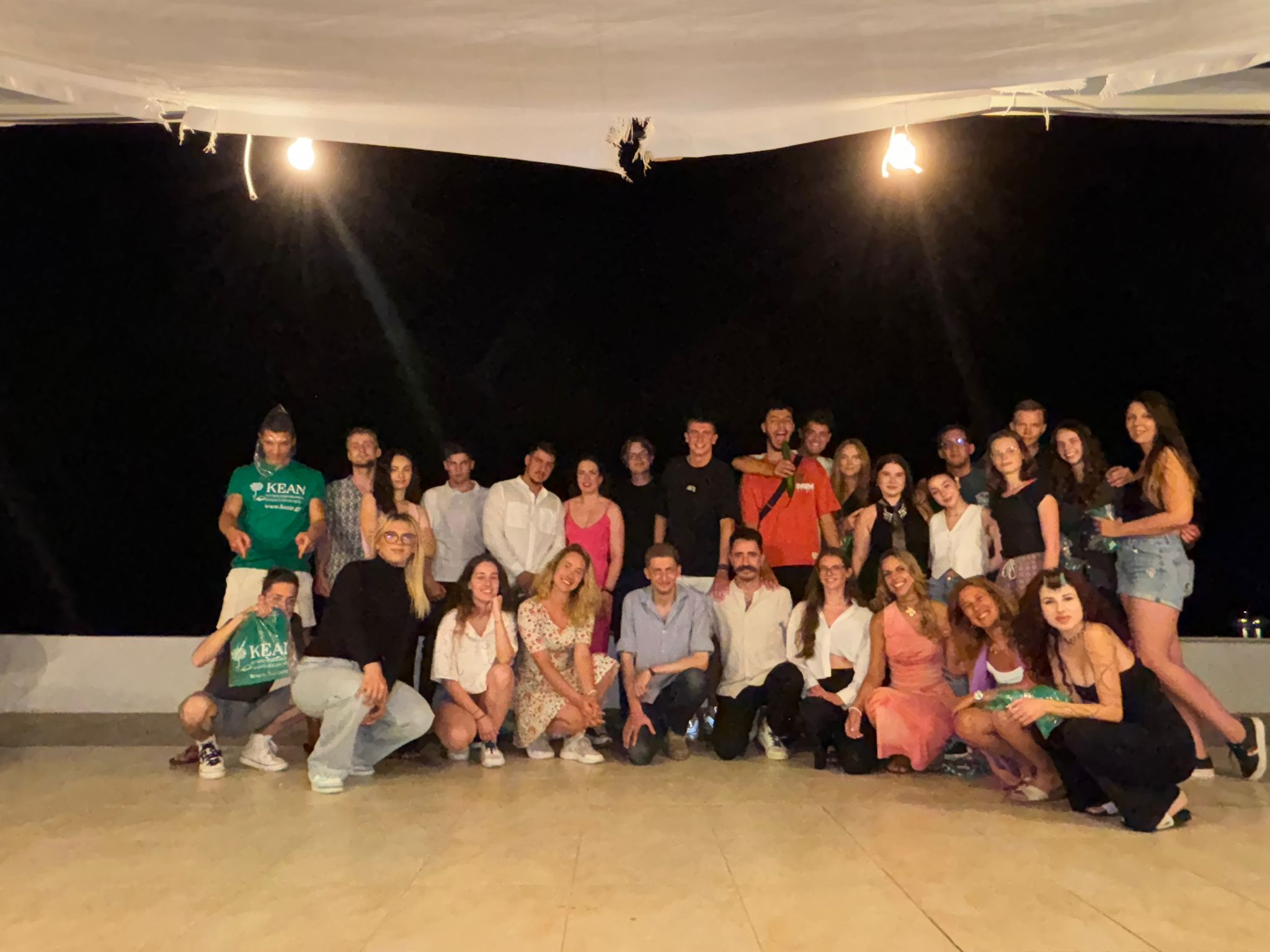
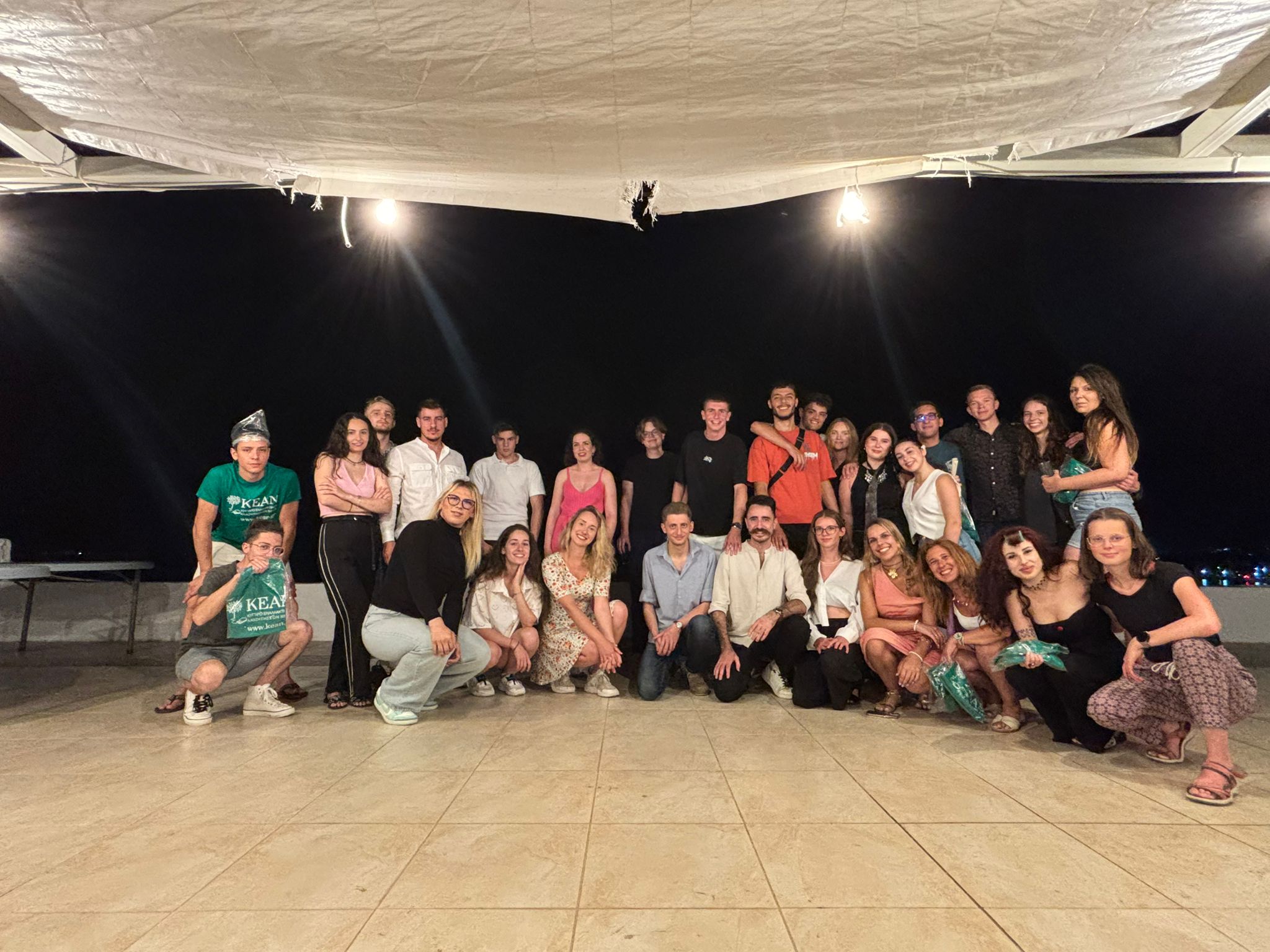
To close the project in a festive spirit, participants gathered for an “Oscars Night,” where they presented their films to the group. The event included screenings, applause, and recognition of everyone’s creativity and effort. Beyond celebration, the evening served as a reflection on the journey of the week, showing how collaboration, storytelling, and humor can be powerful tools in promoting sustainability and strengthening group bonds.