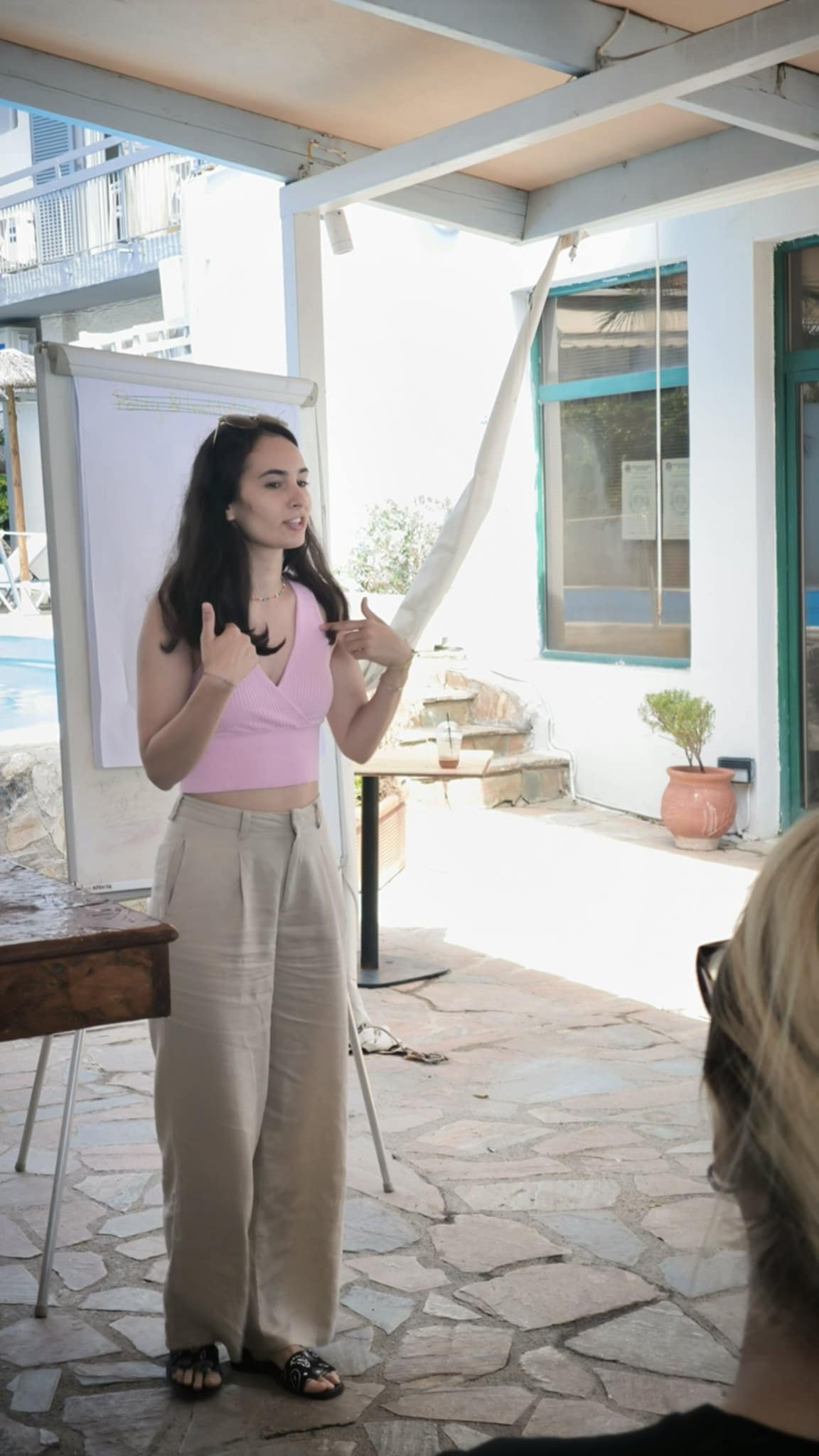
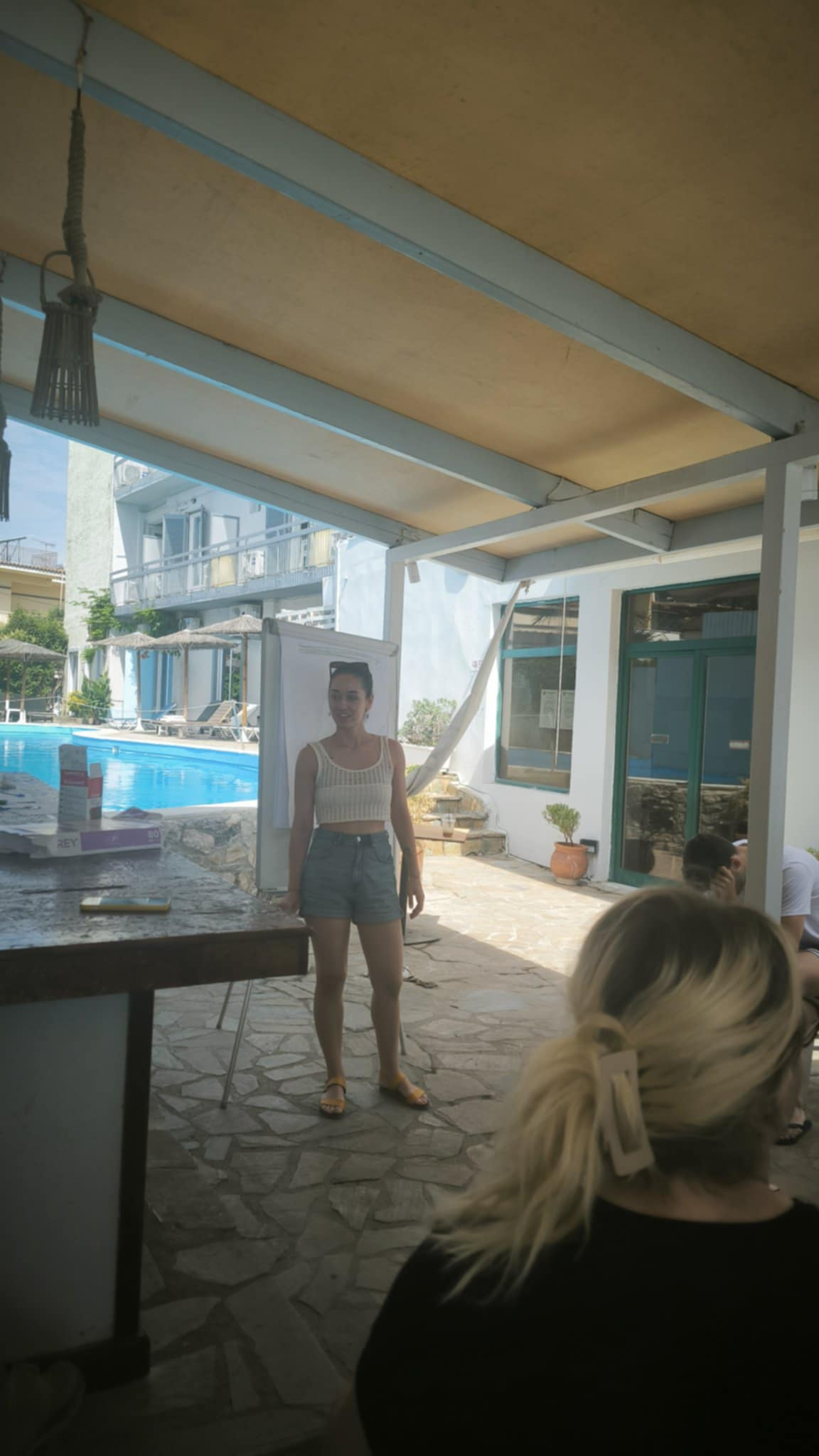
activities

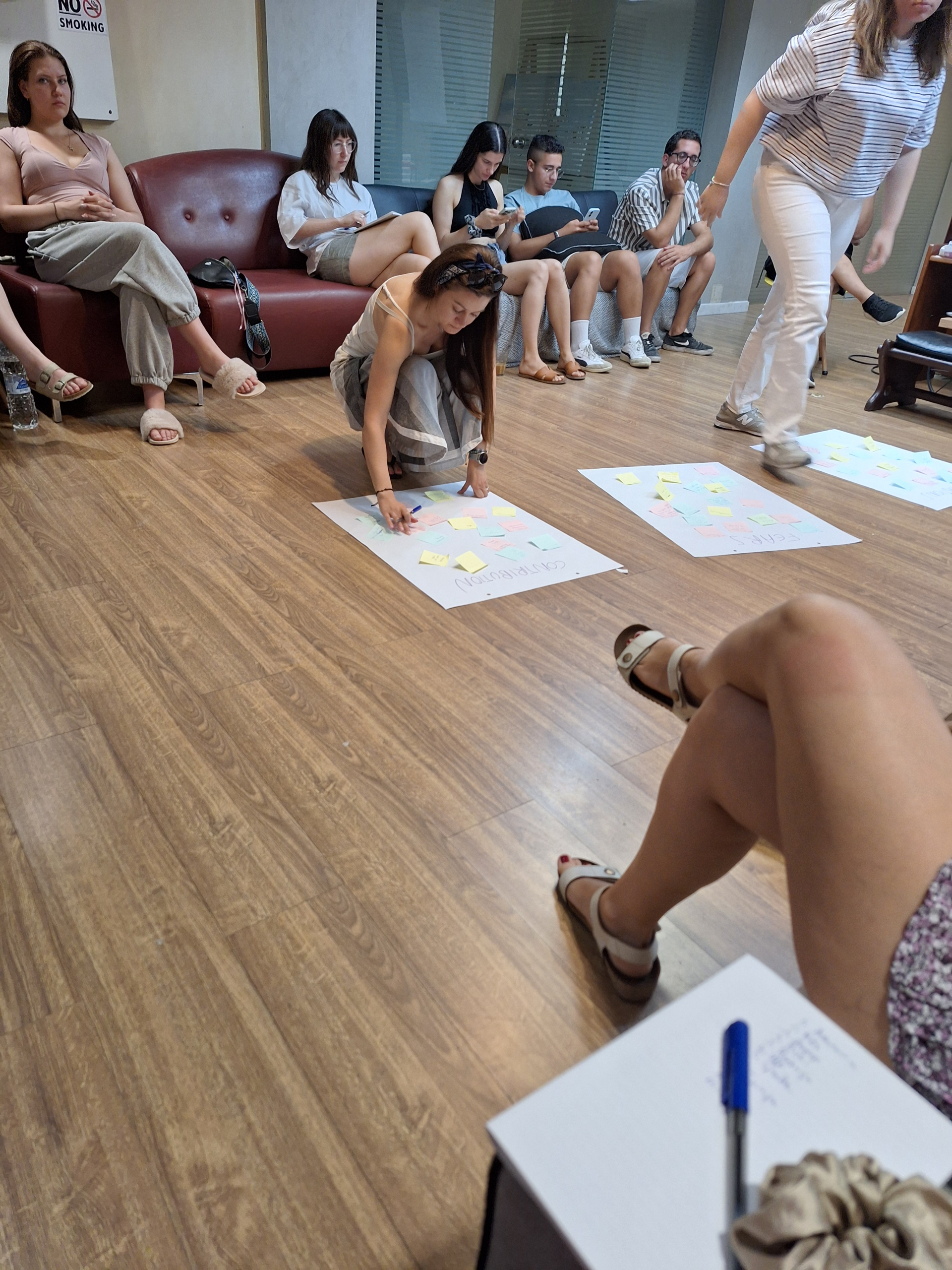
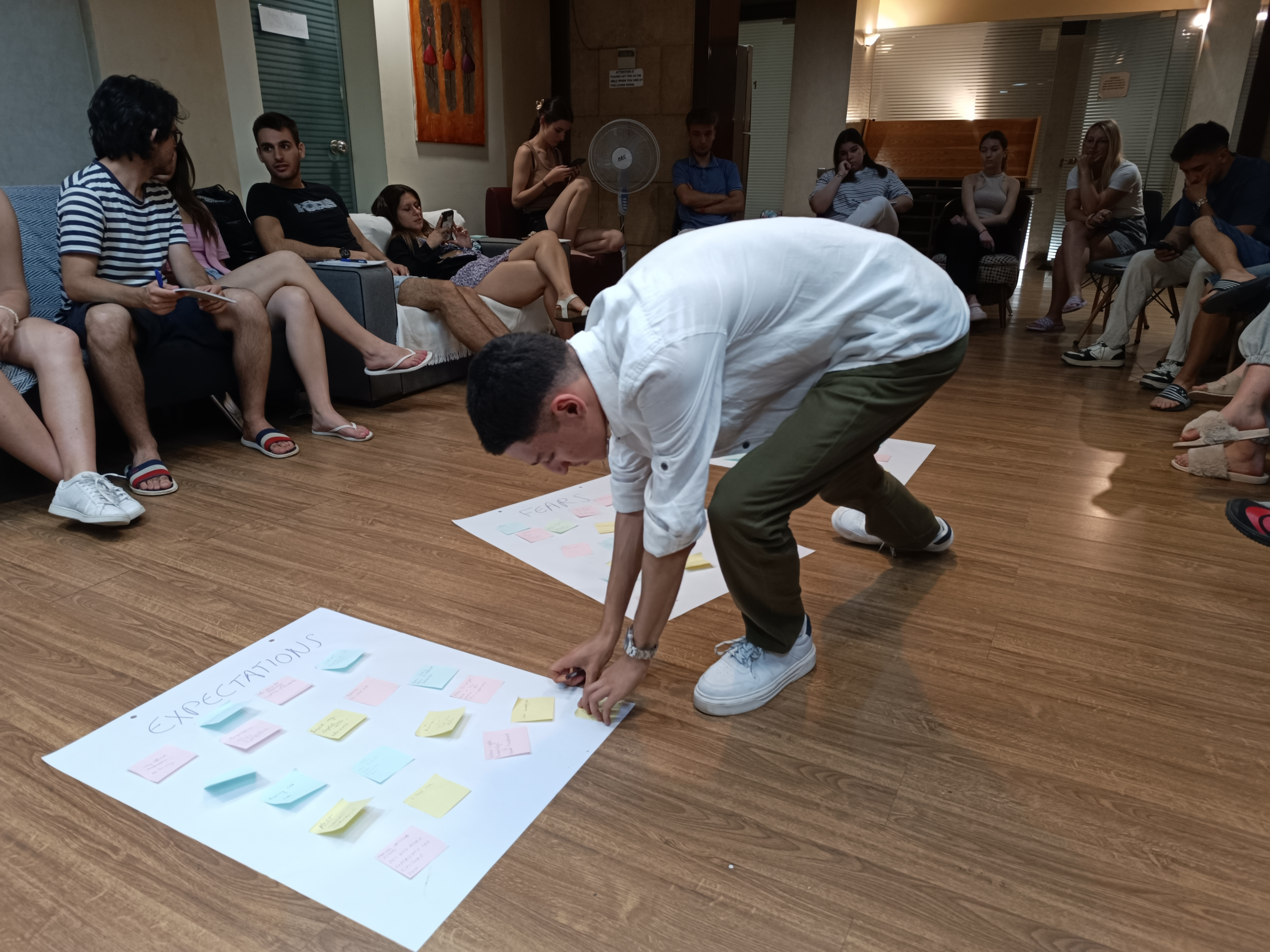
"Fears, Expectations and Contributions"

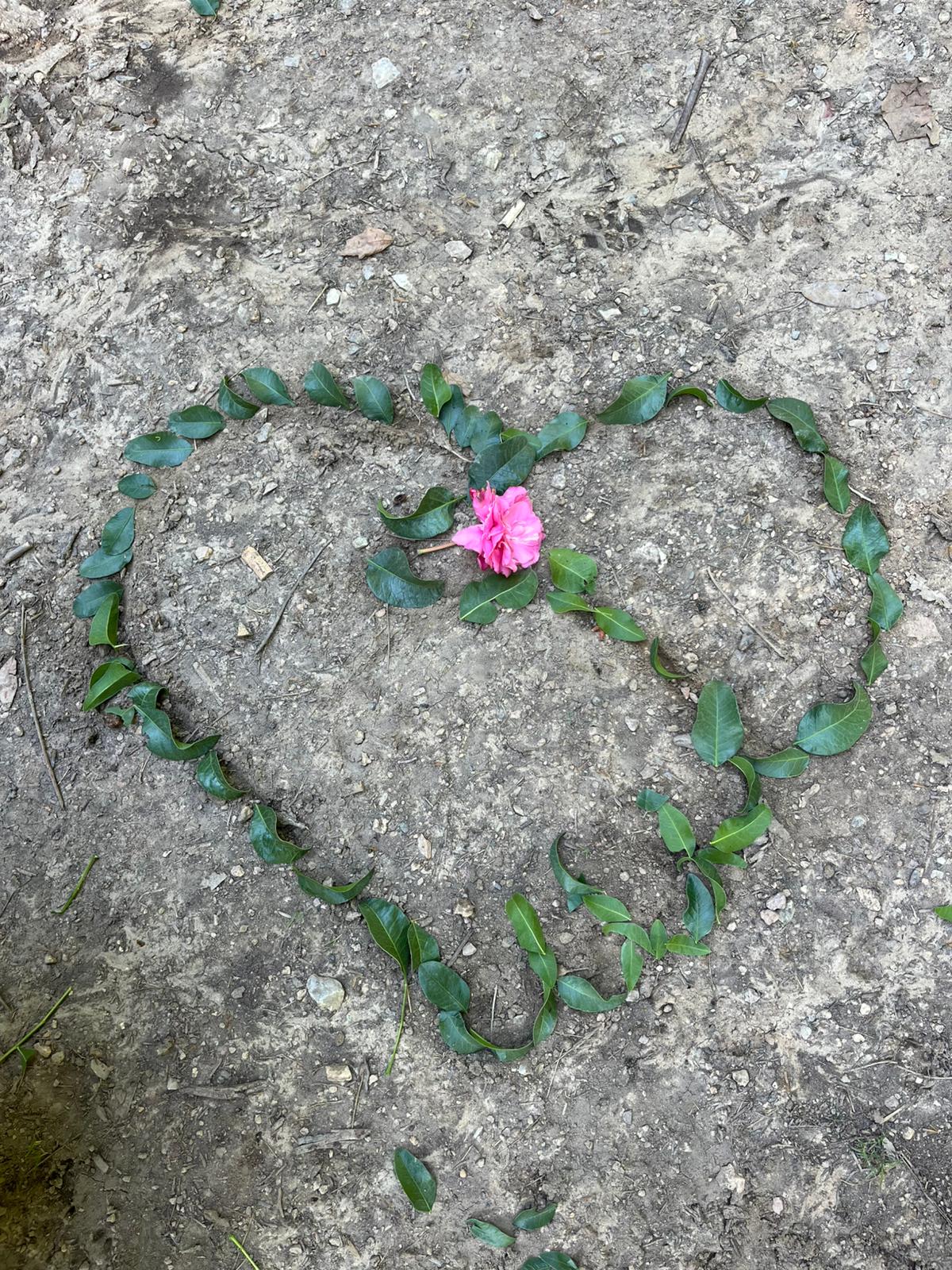
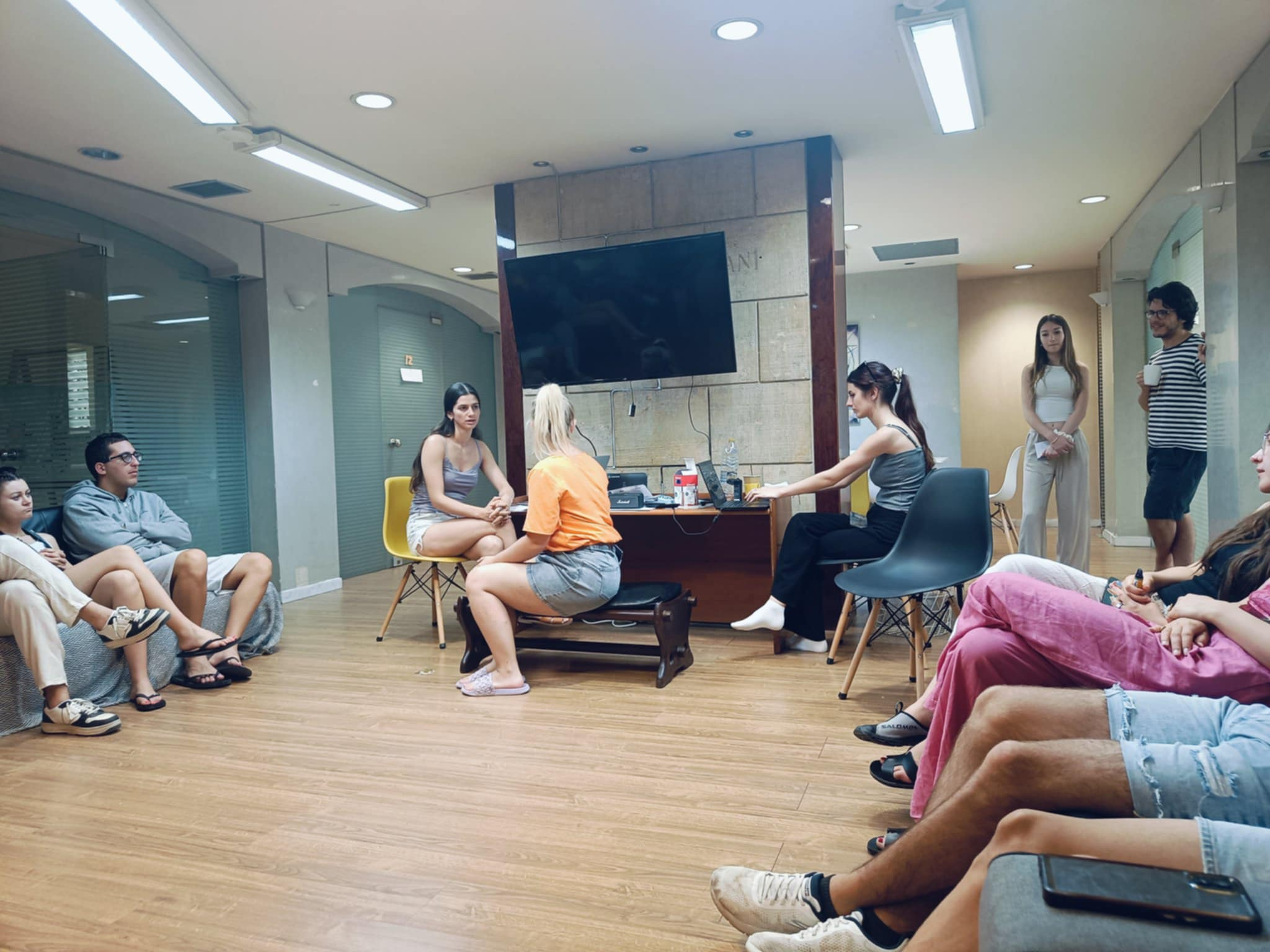
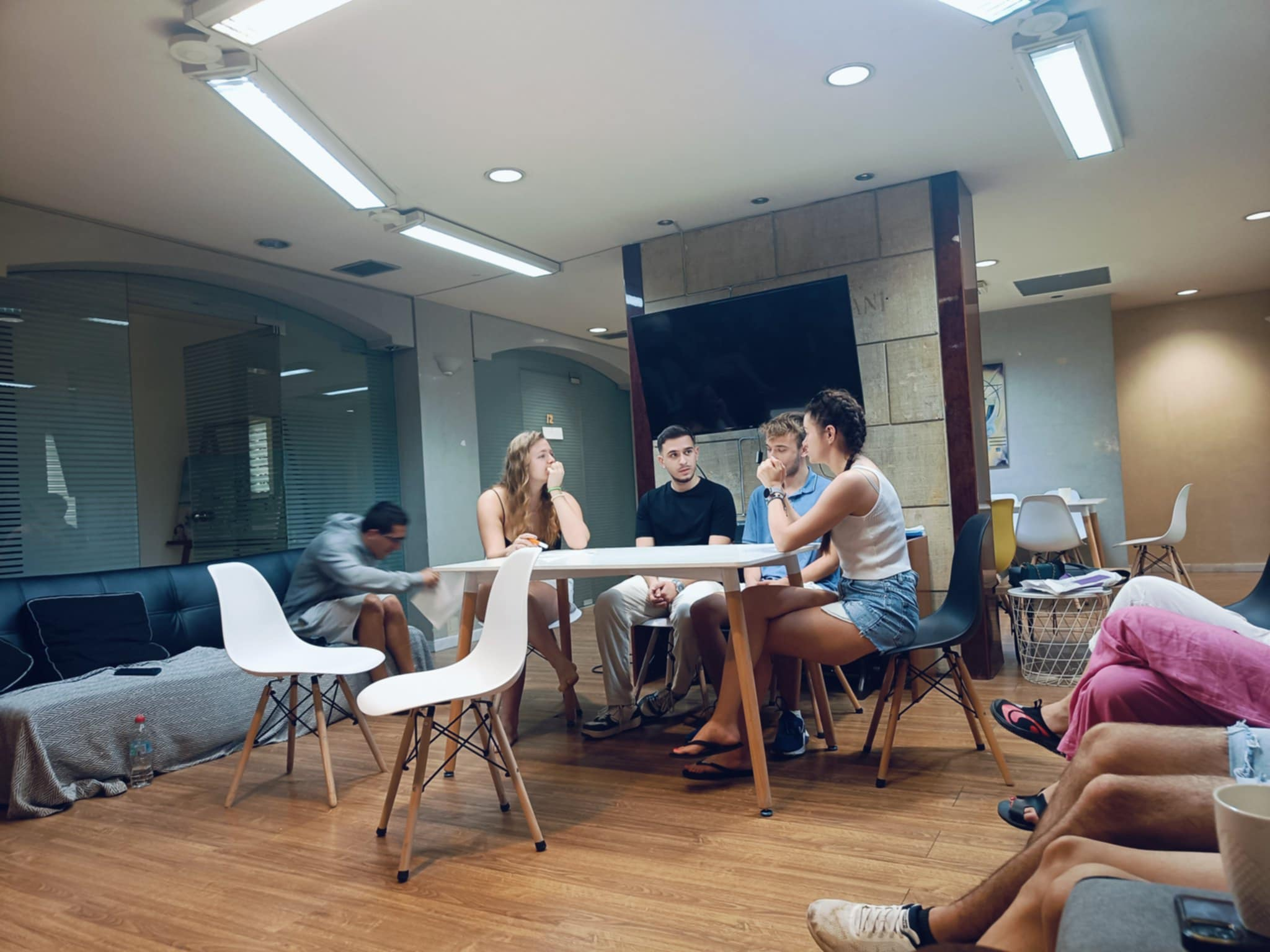
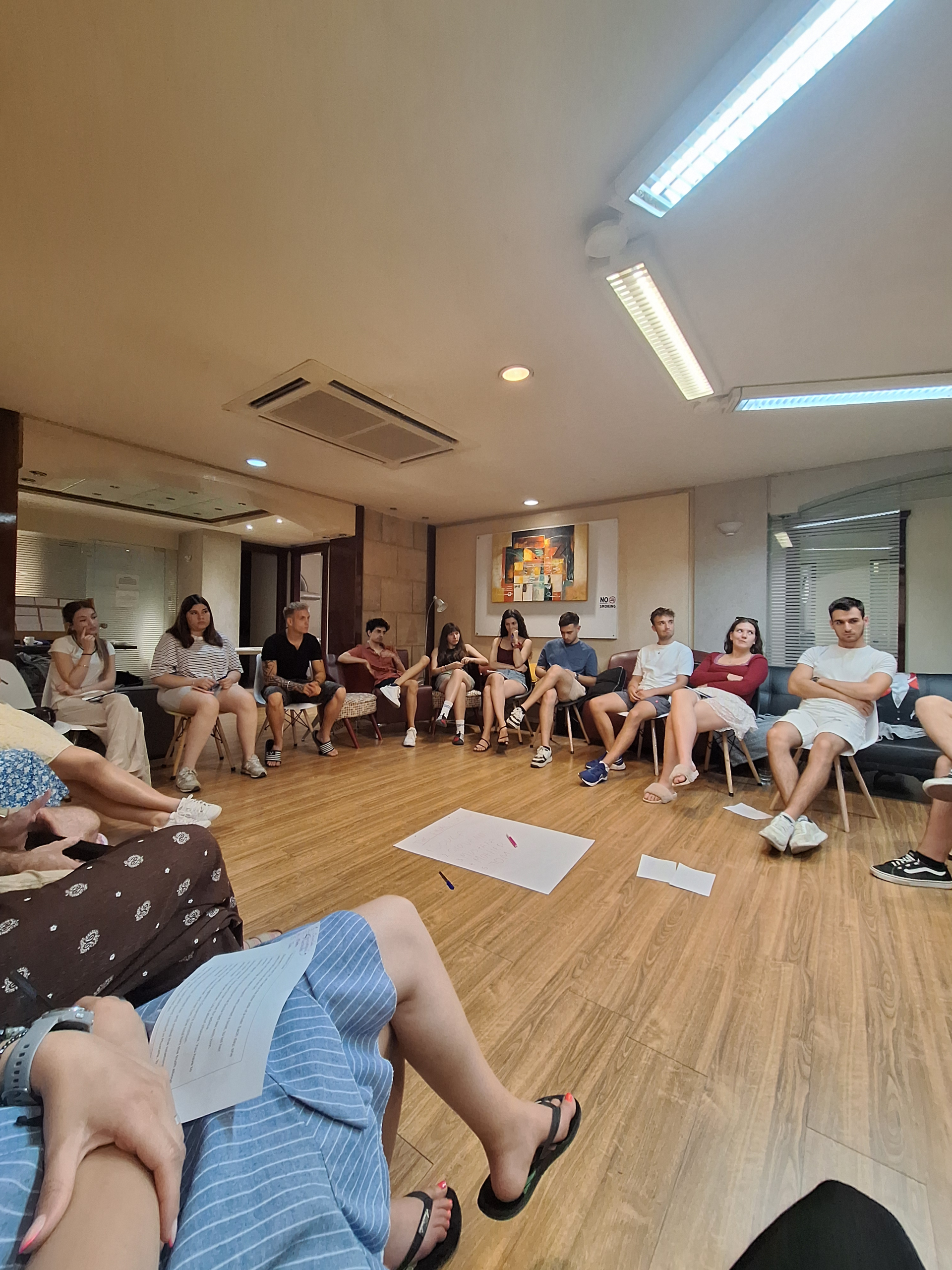
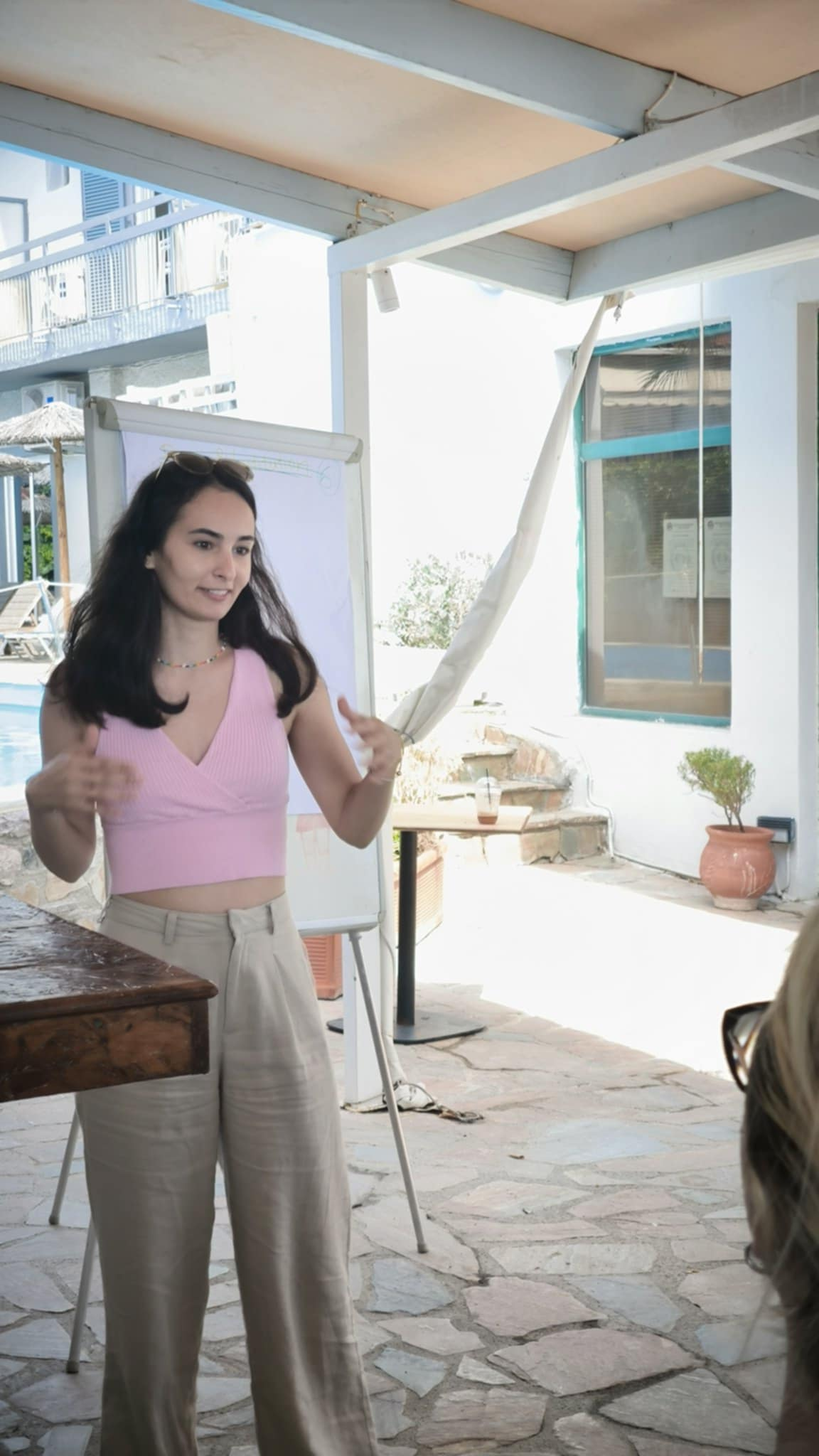
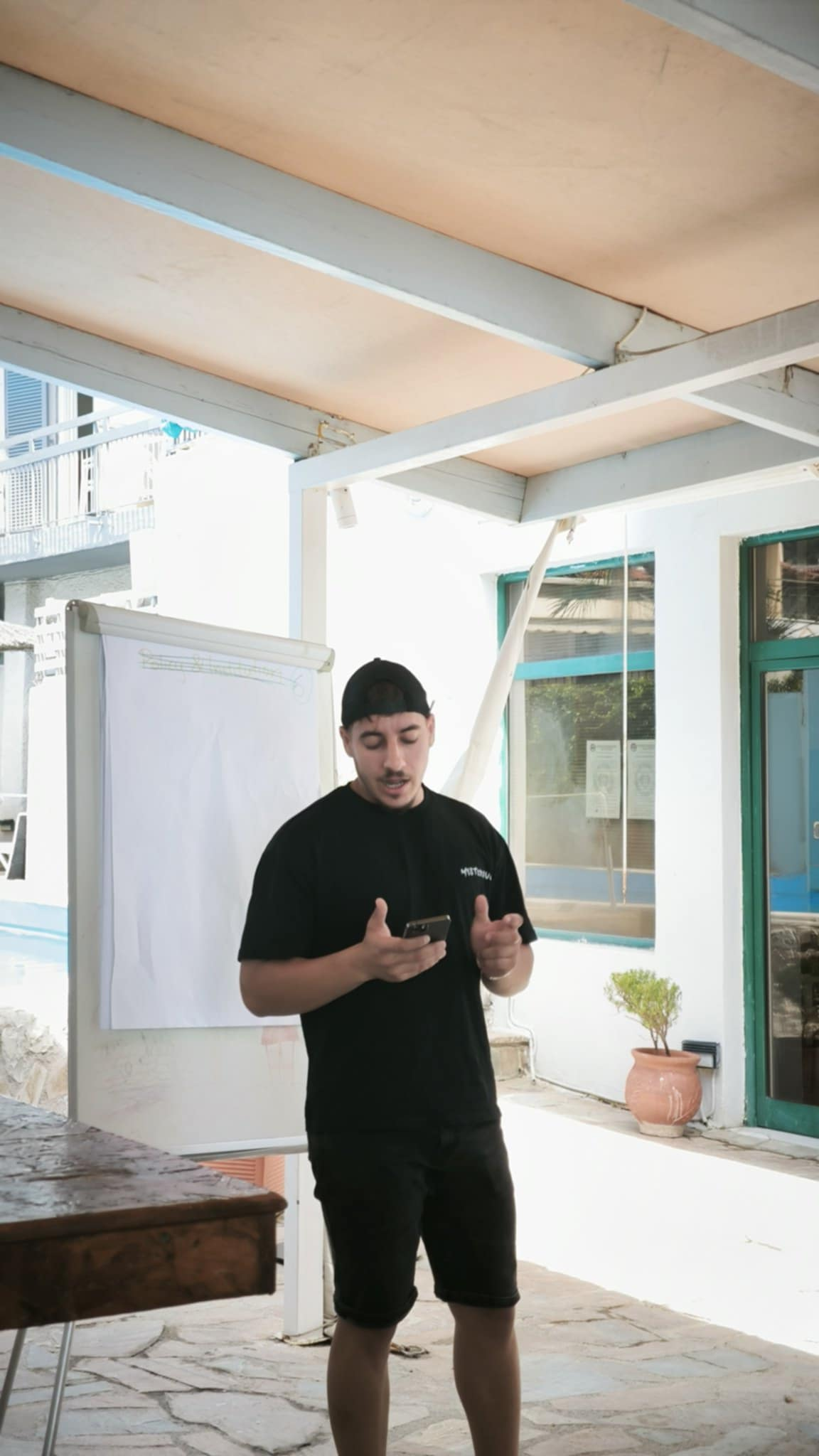
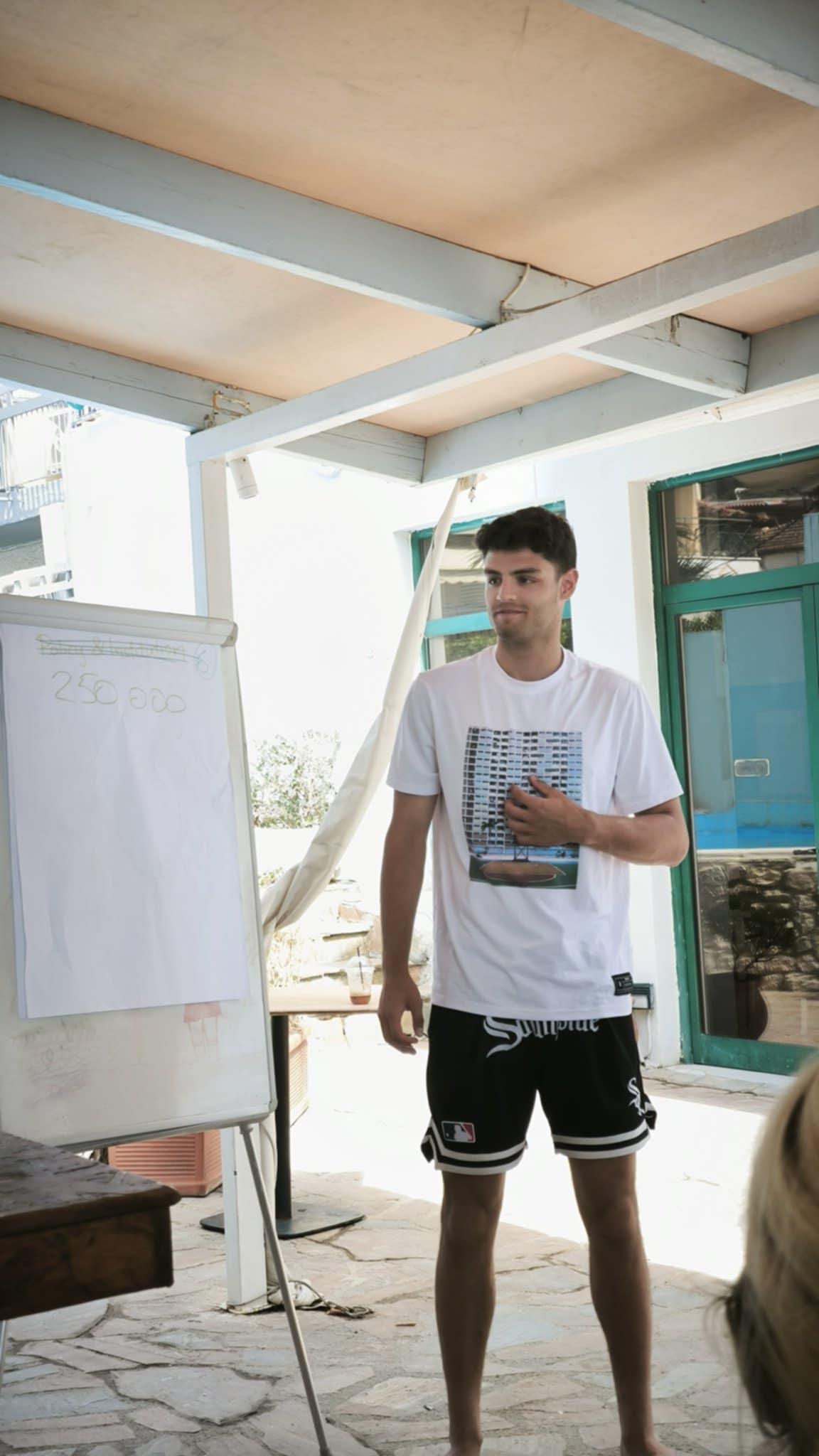
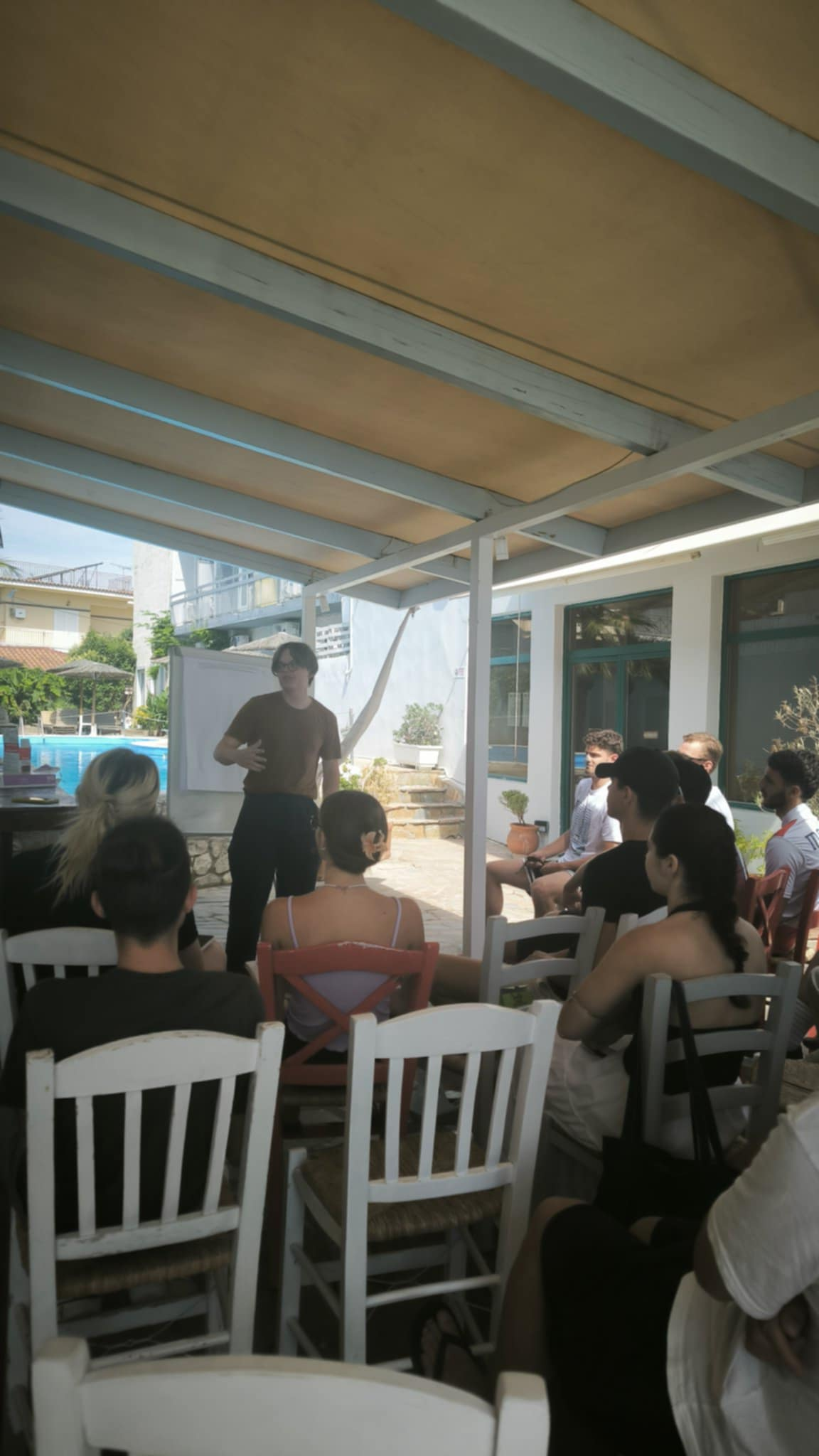
Participants shared their fears, expectations, and potential contributions through interactive quizzes, questionnaires, and group discussions. Using symbolic tools like “fear and expectation trees,” they reflected on their feelings about the project and connected with others through open dialogue and creativity.

"Mission Impossible"

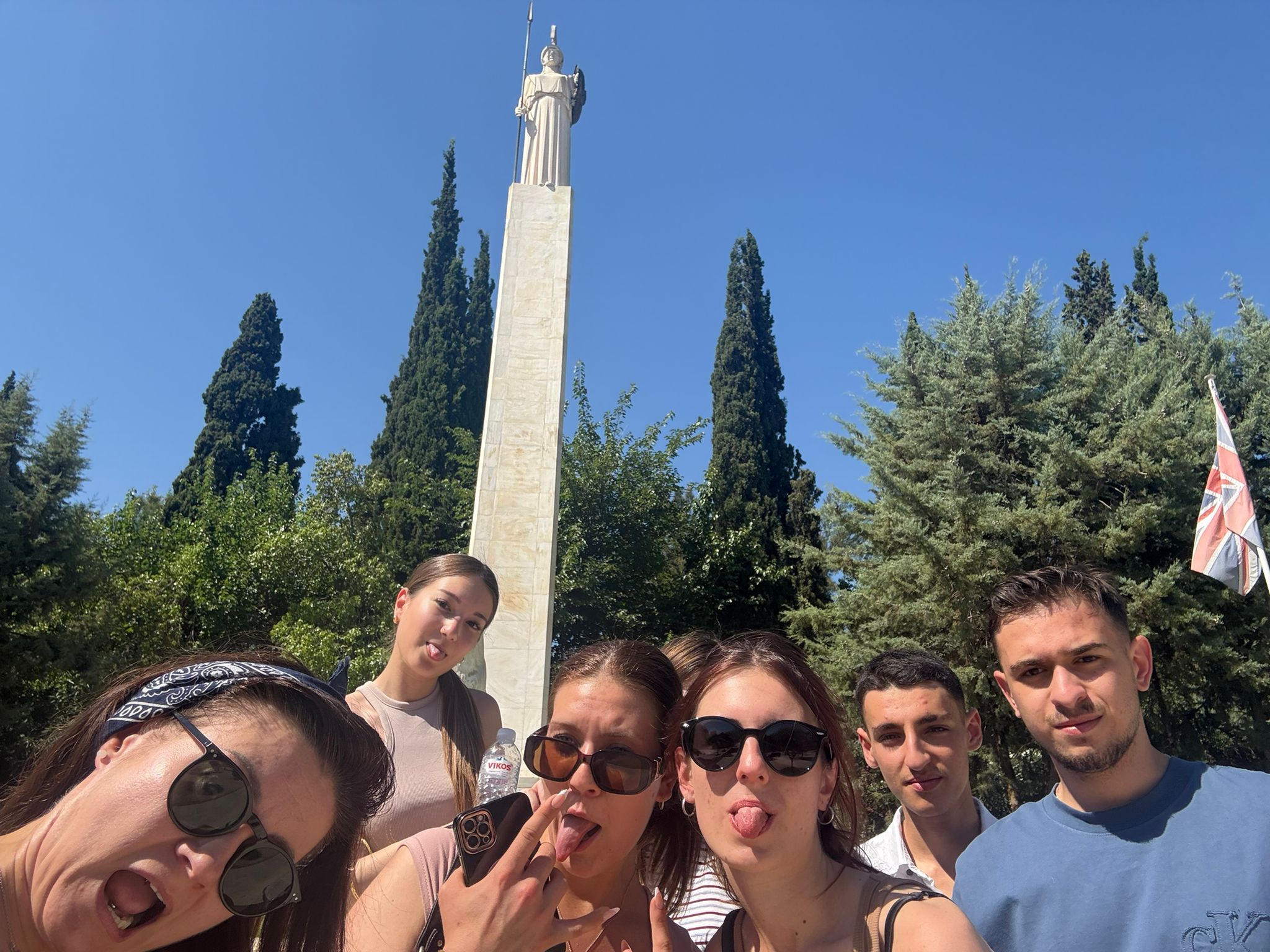
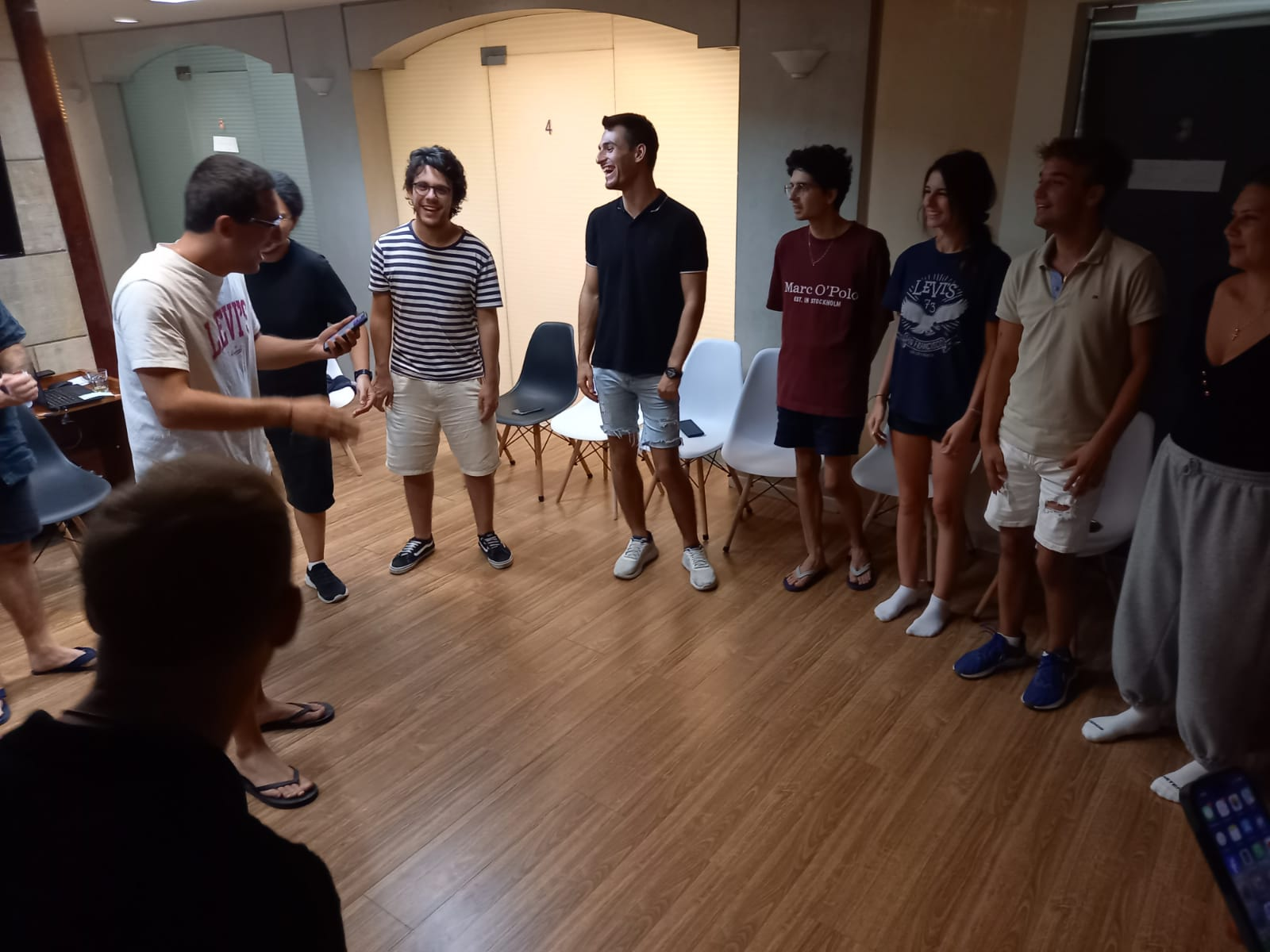
In this high-energy challenge, participants completed fun and creative tasks within a set time. From group selfies and songs about sustainability to outdoor games and building with recyclables, the missions encouraged teamwork, problem-solving, and humor, while fostering group bonding and raising awareness of environmental action.

"Which privileges do I have?"

Divided into groups, participants were given a limited budget to “purchase” privileges from a prepared list. They debated which privileges to choose and justified their decisions to the plenary, opening up discussion about inequality, access, and the social realities faced by marginalized groups.

"How far would you go?"

Through role play, participants explored workplace discrimination scenarios. Each group member adopted a specific role (e.g., manager, employee, HR), deciding how they would react as witnesses or victims. The activity raised awareness of discrimination and strengthened participants’ ability to support others in complex situations.

"Diversity in Europe"

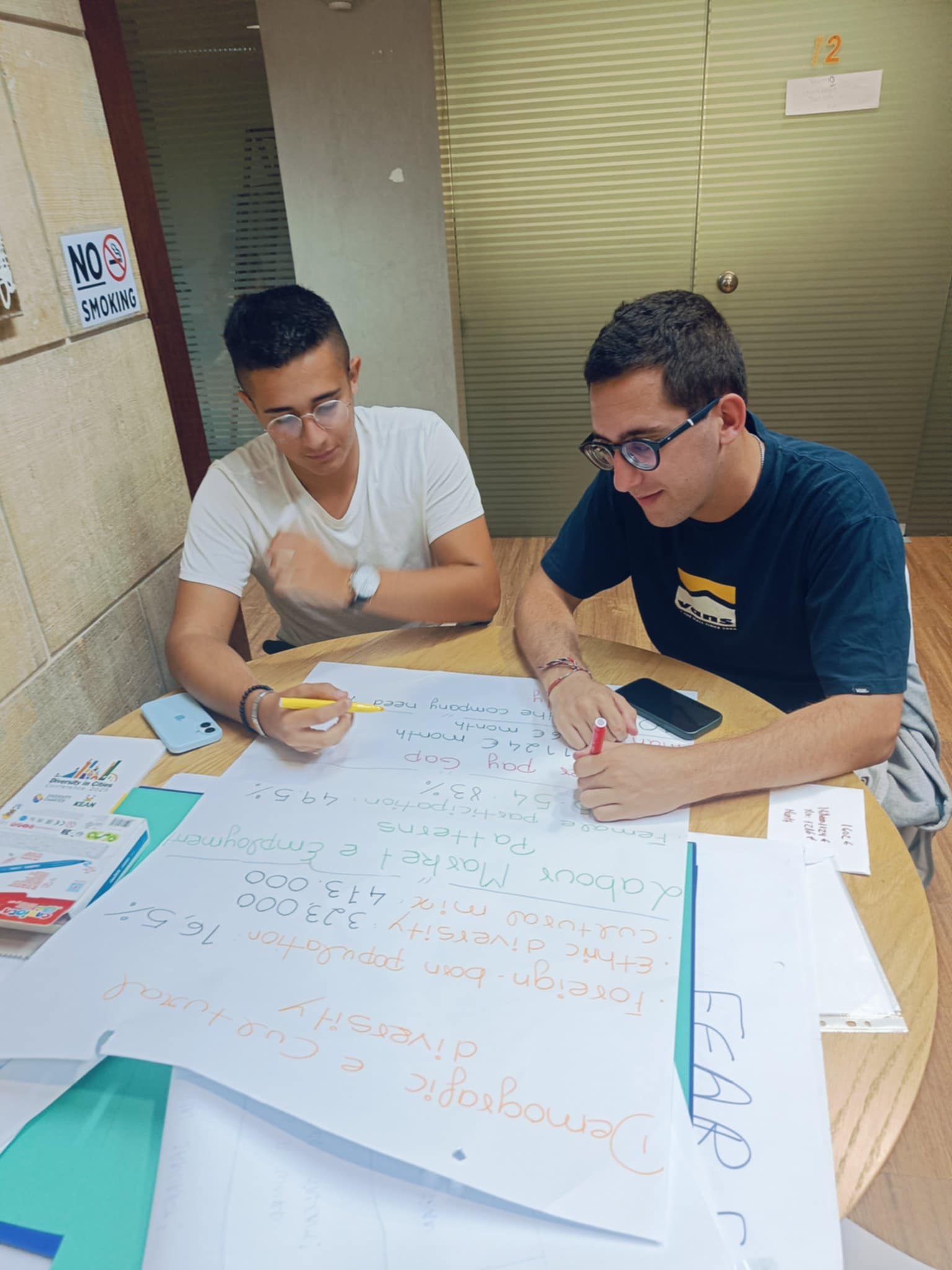
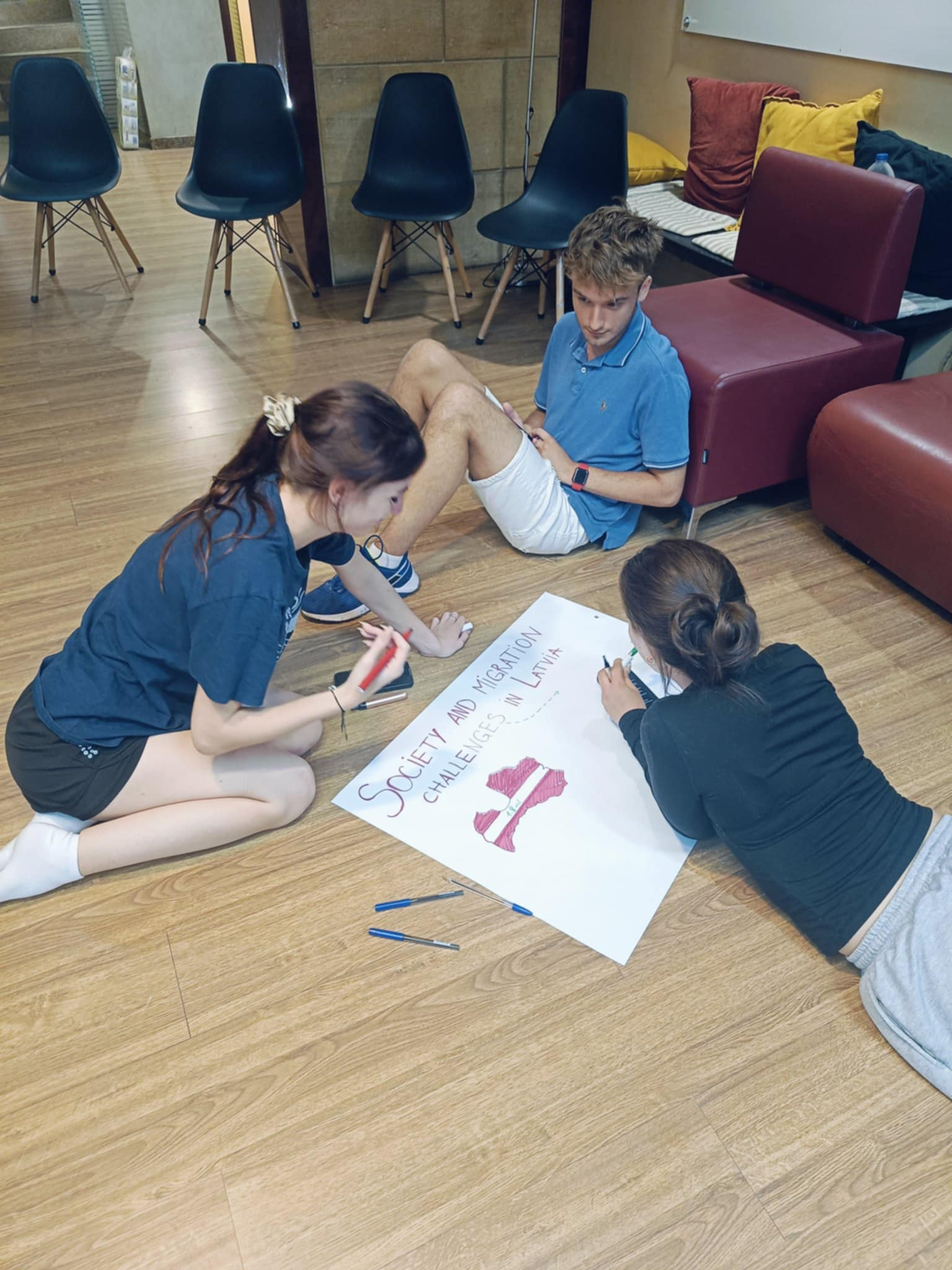
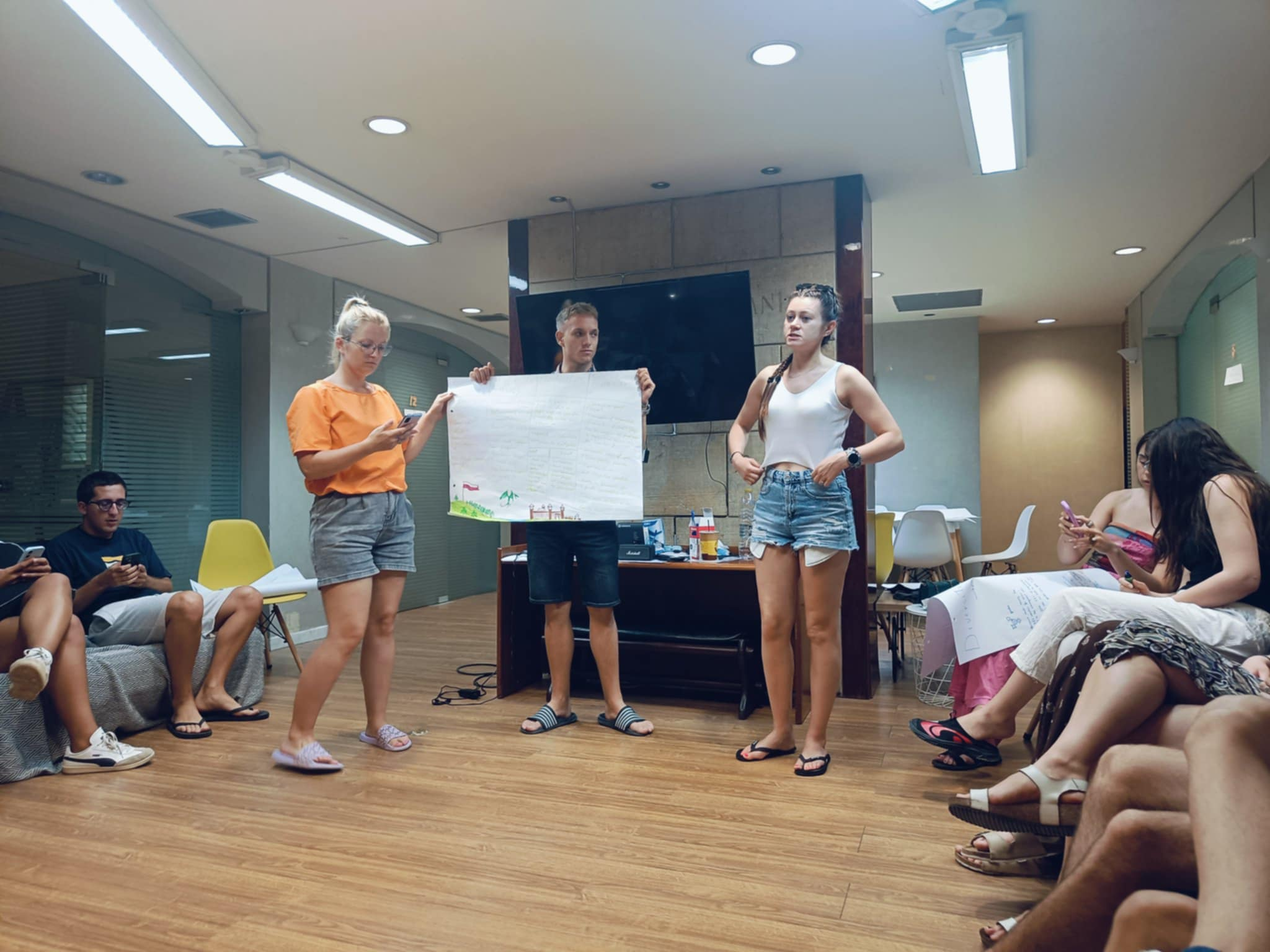
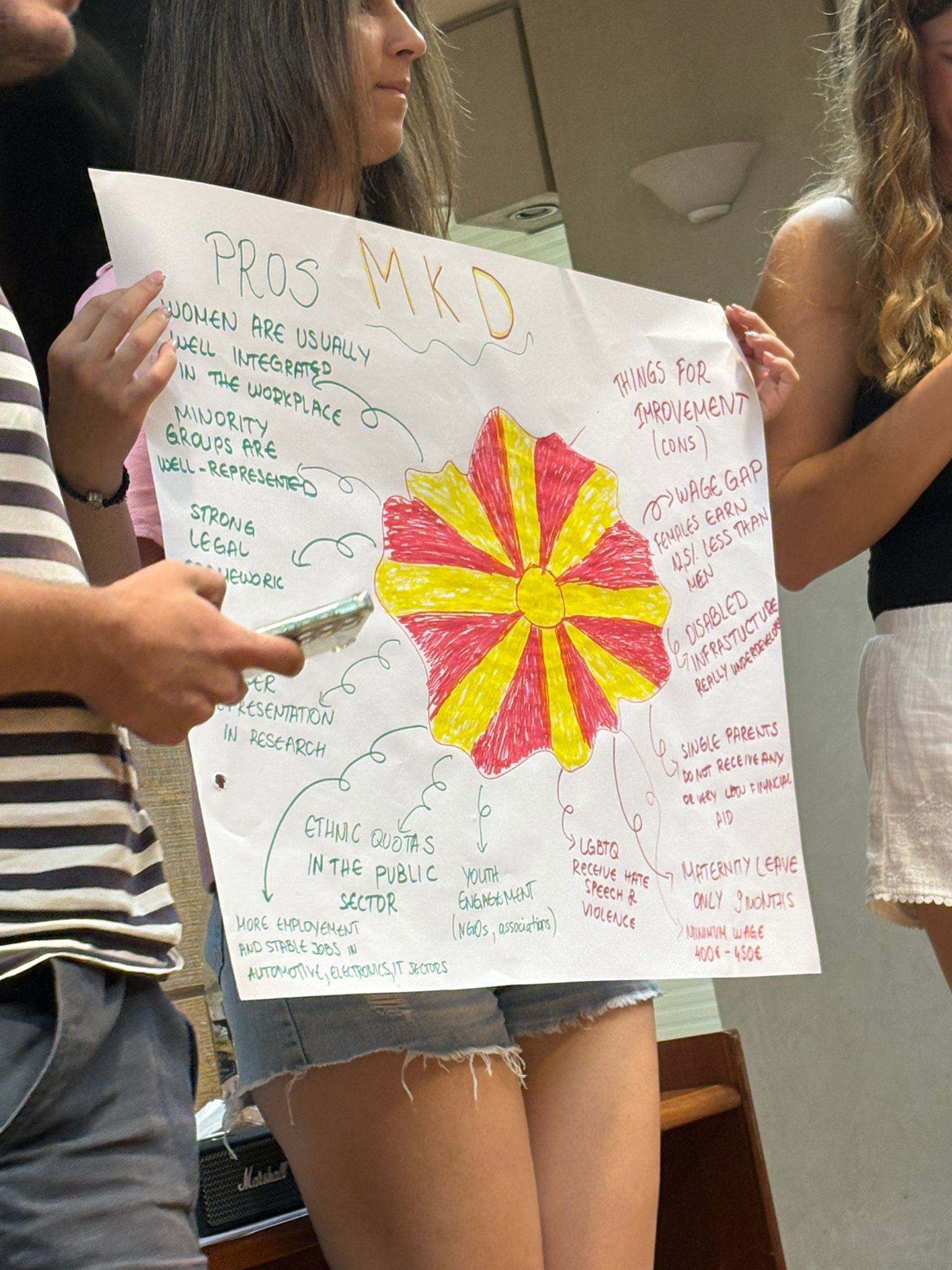
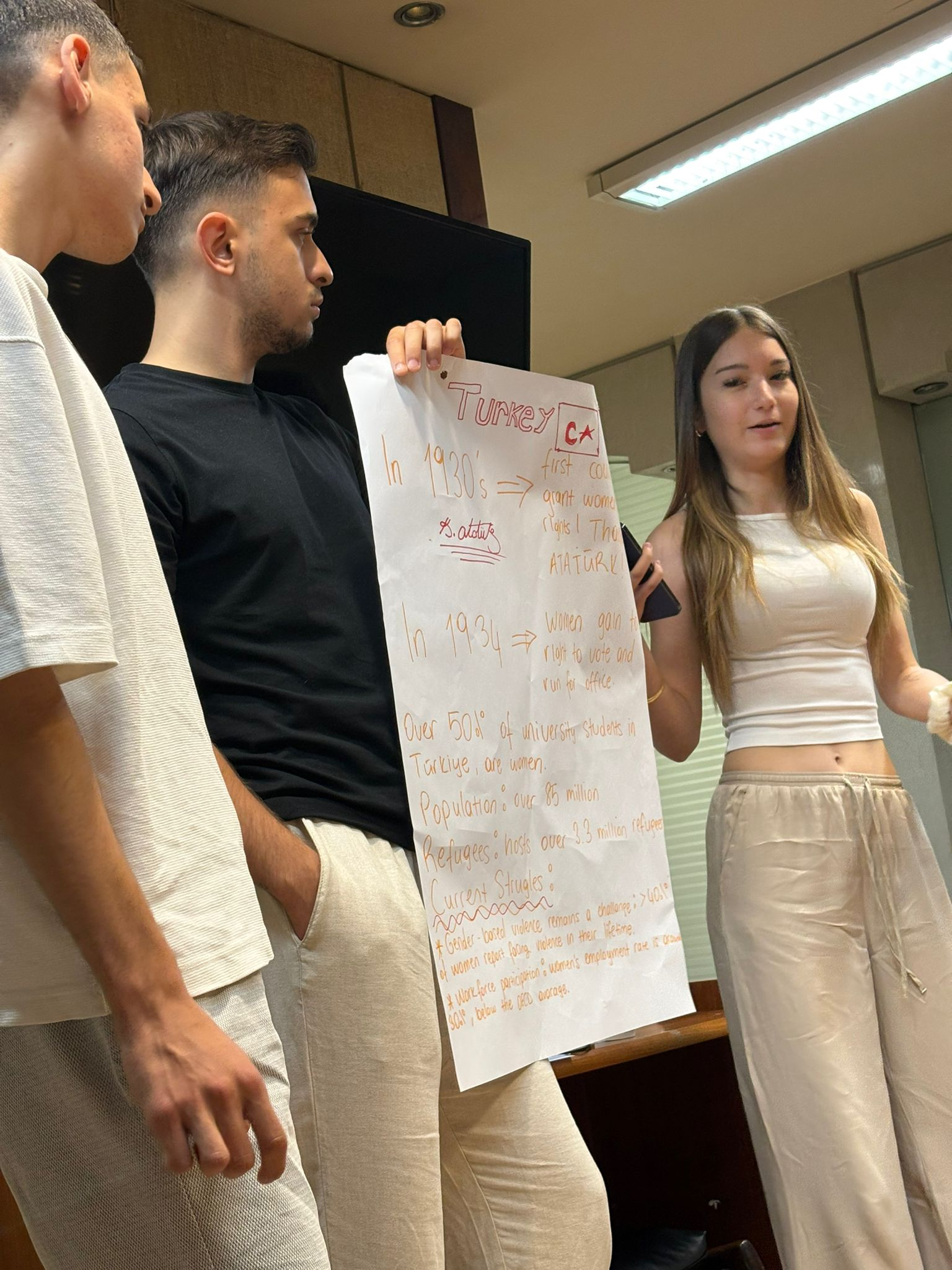
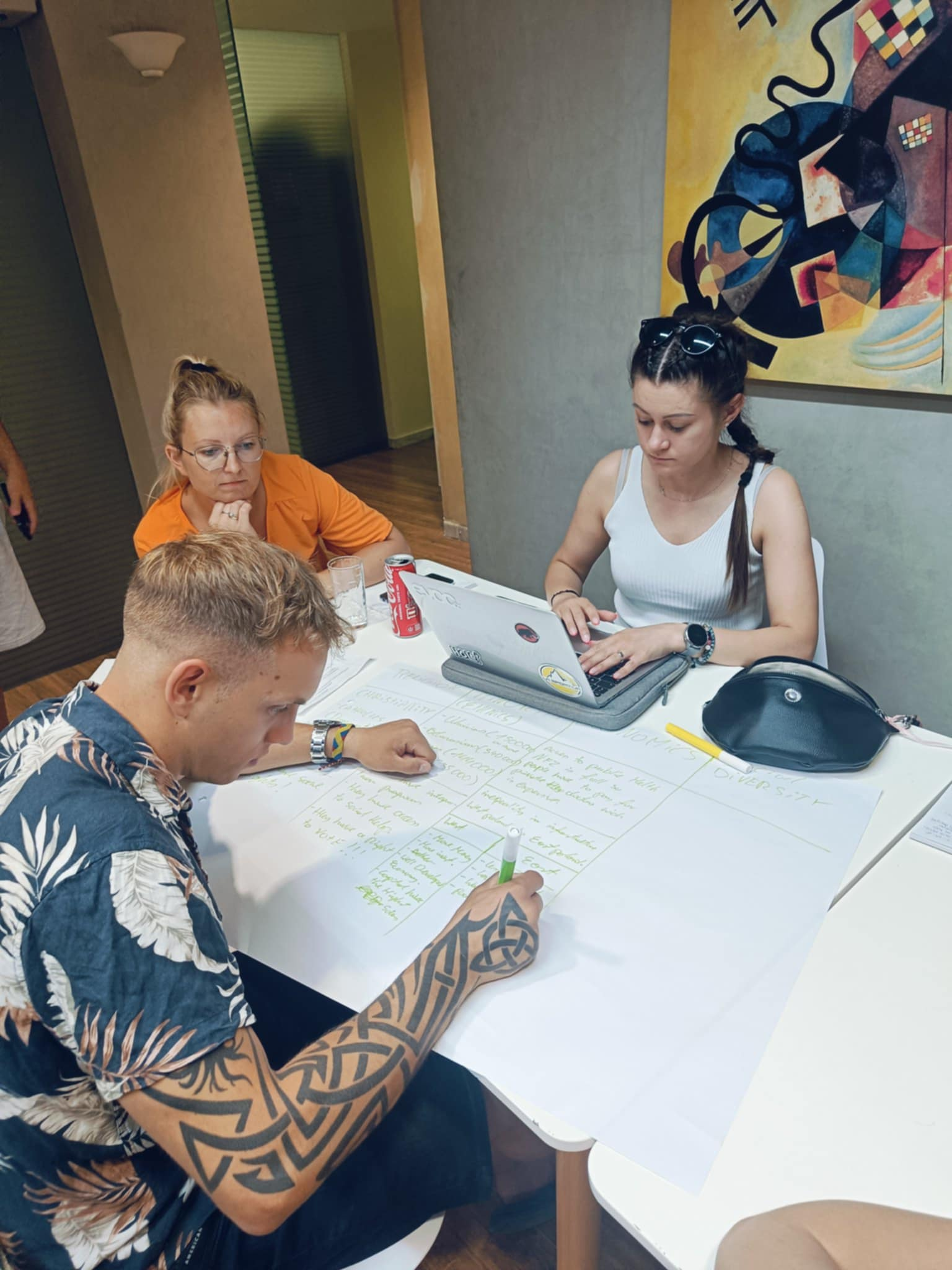
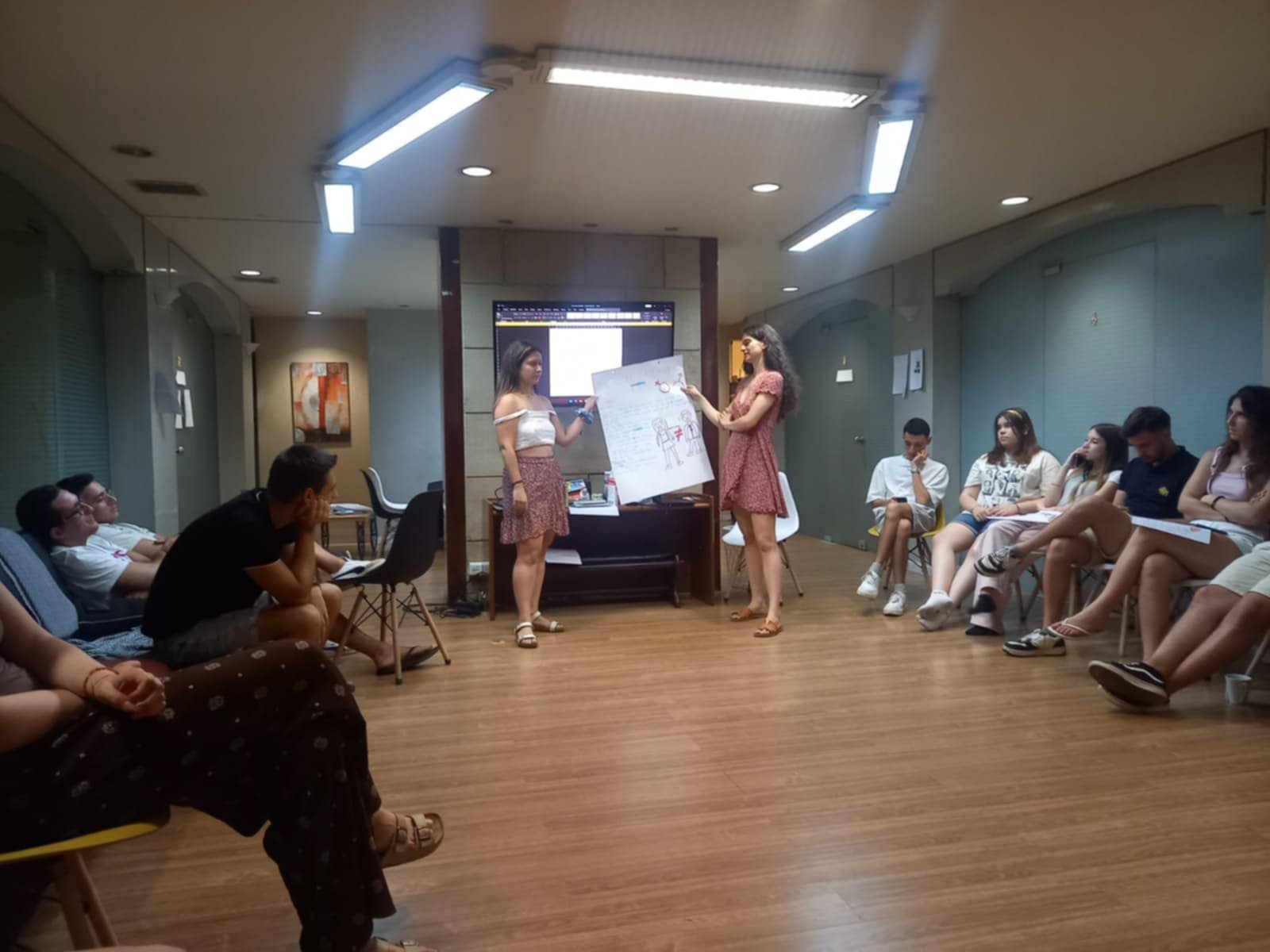
Participants worked in national groups to research workplace diversity in their own countries. They identified challenges, initiatives, and policies, and then presented their findings. The activity highlighted differences across Europe while encouraging cross-country learning and dialogue.

"Charter meetings"

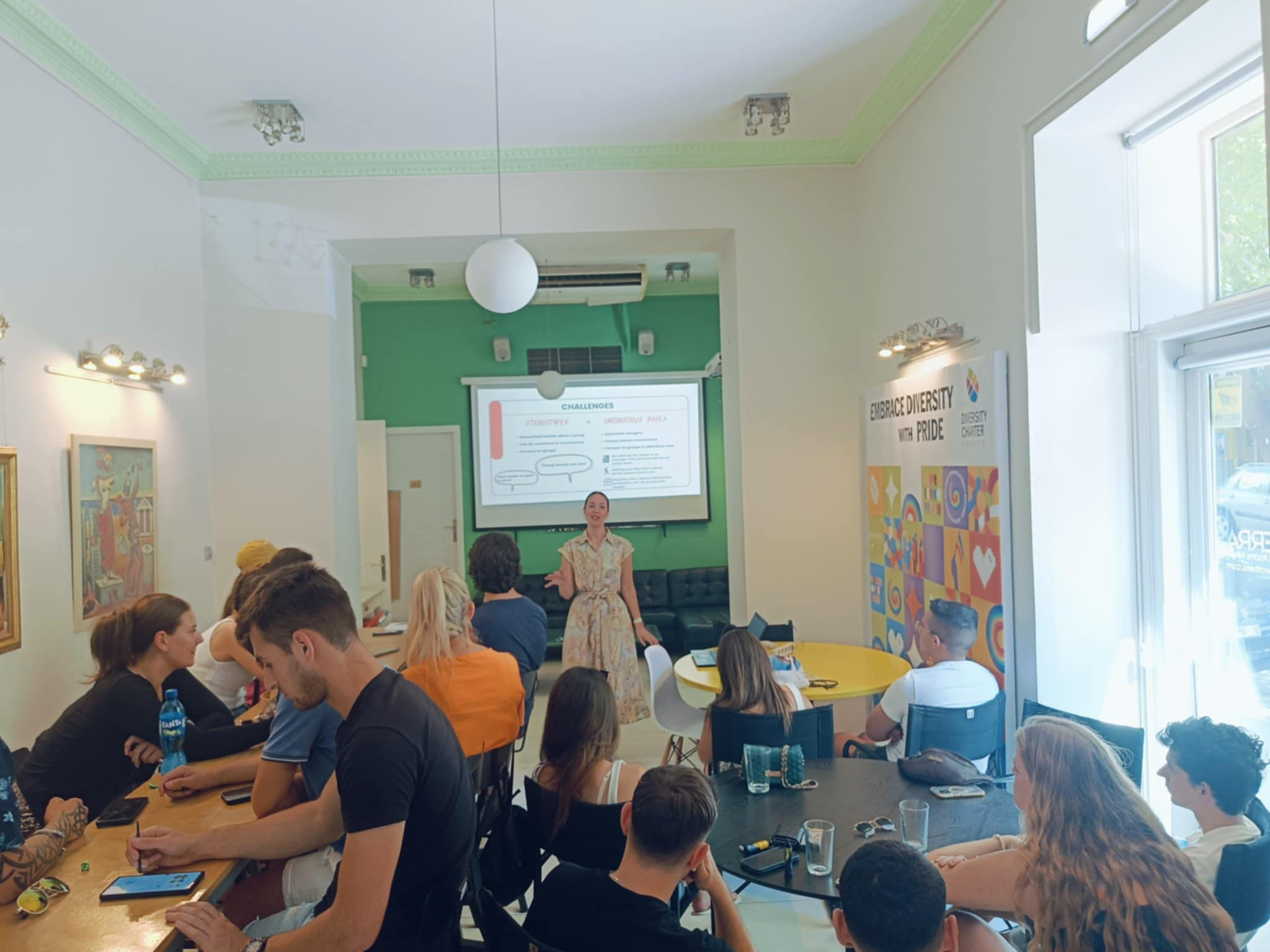
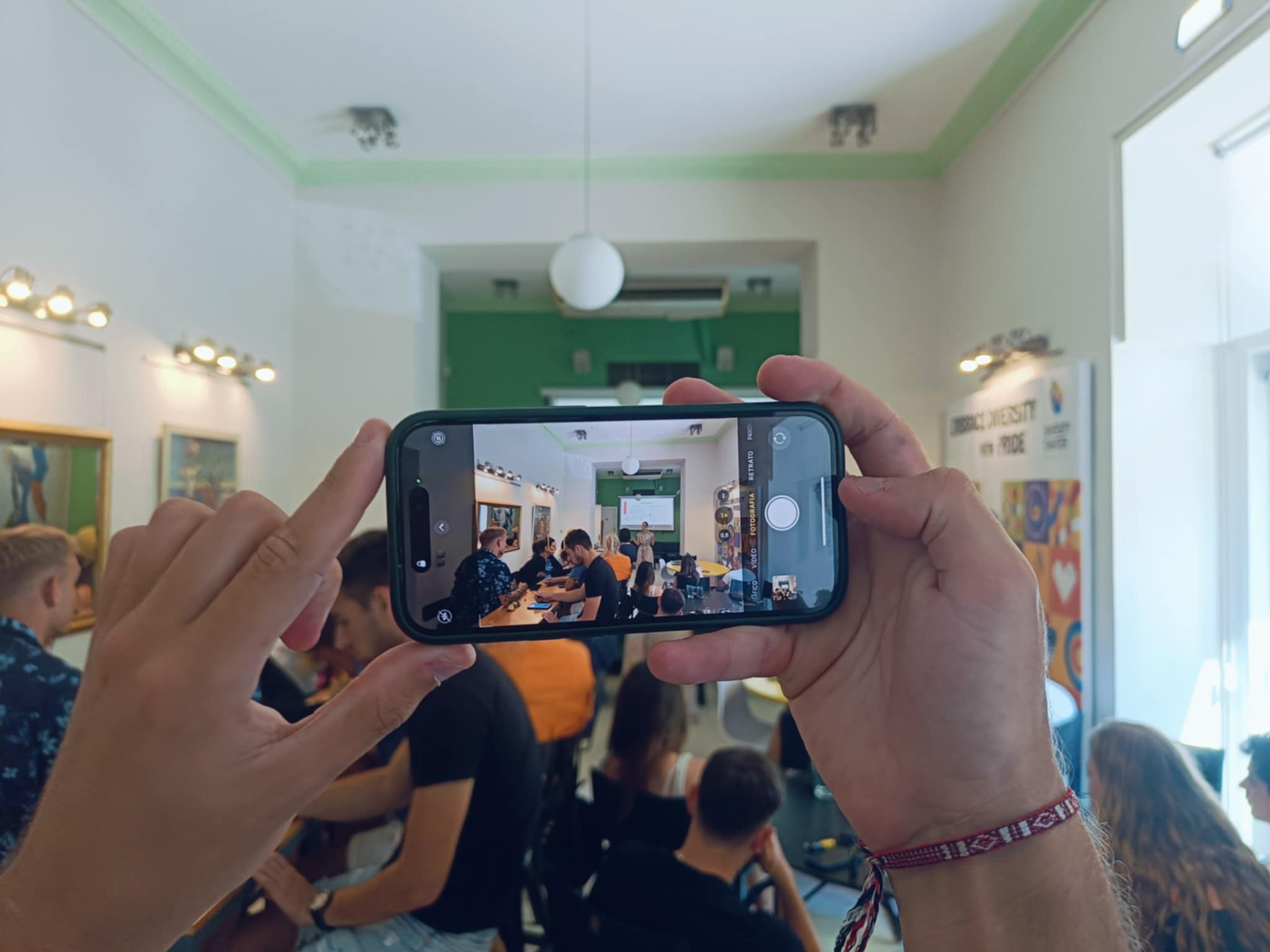
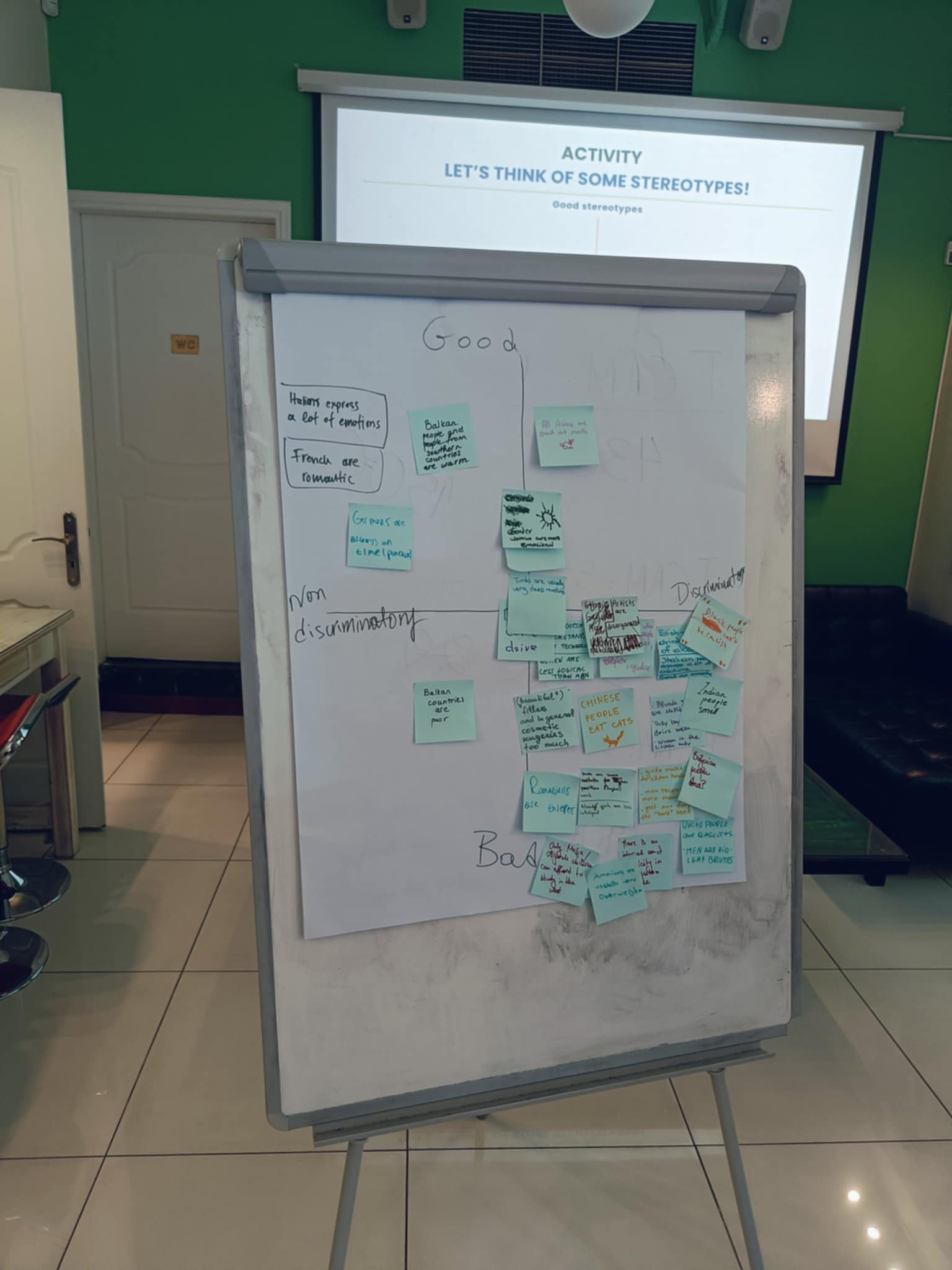
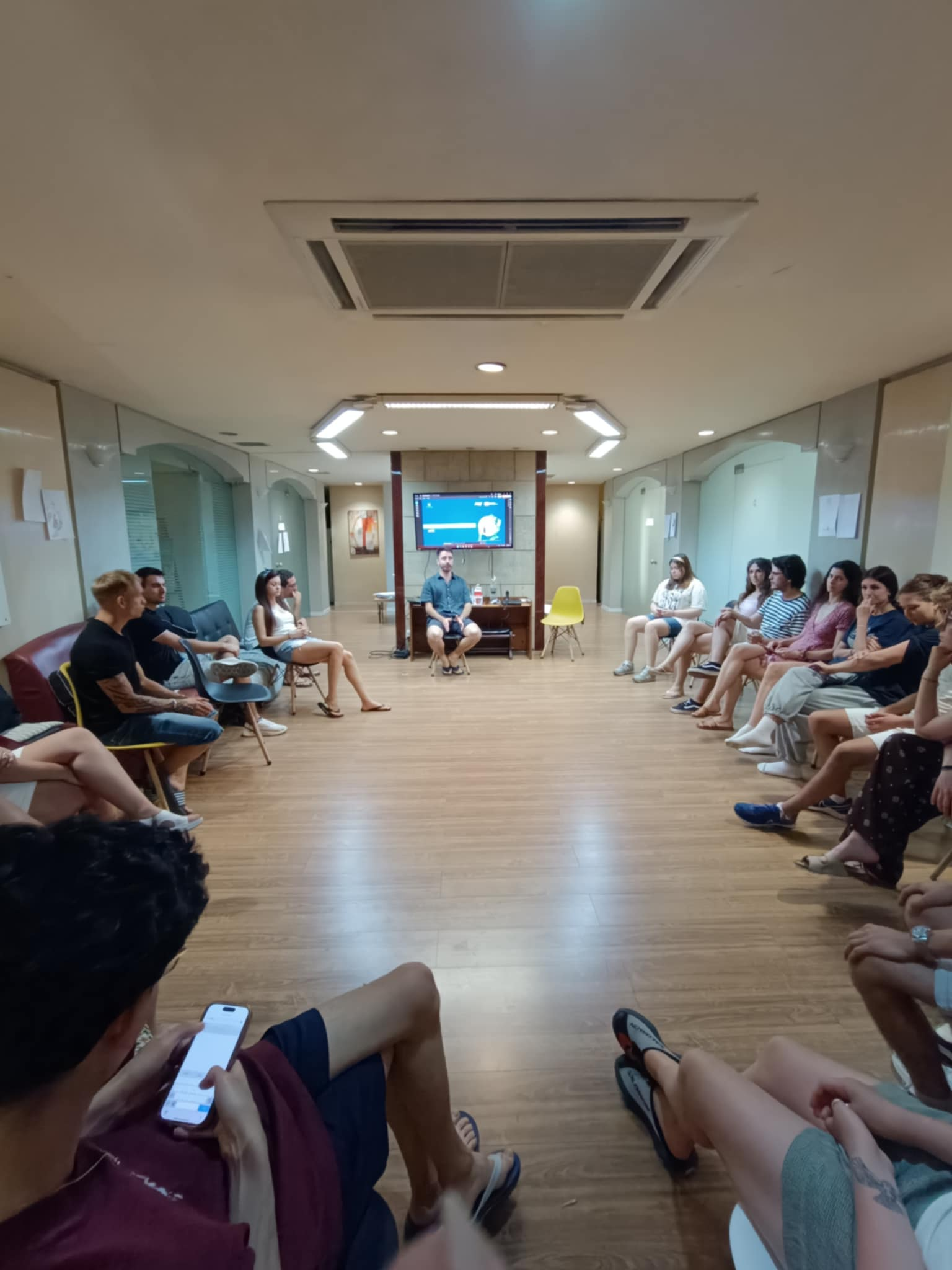
An invited expert from Diversity Charter gave a talk on workplace diversity, sharing challenges and progress across Europe. Participants then engaged in an interactive session to uncover hidden biases, even “positive” stereotypes, learning how such assumptions can create exclusion. The activity strengthened critical thinking around bias.

"The Priviledge Walk"

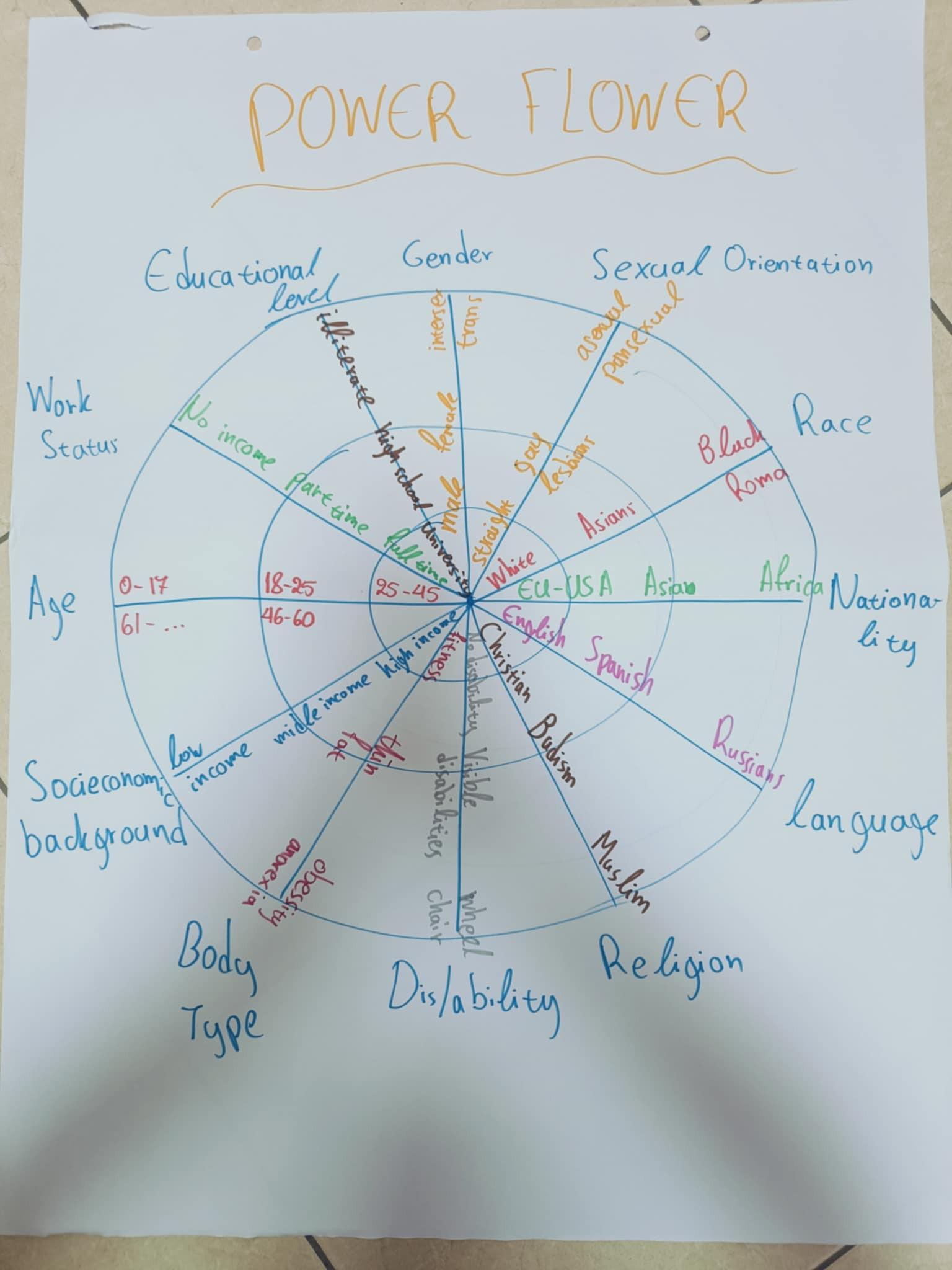
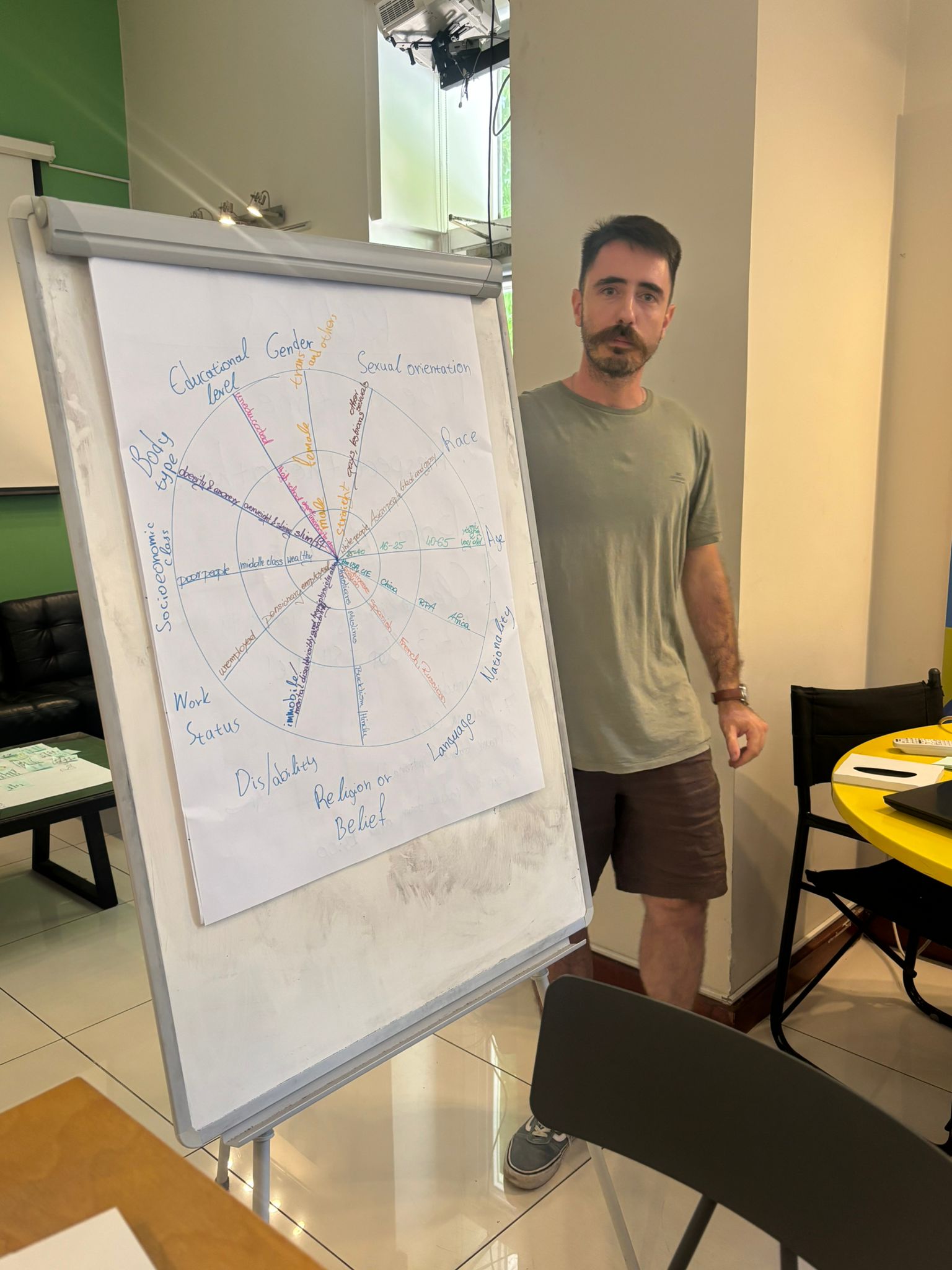
Participants used a “privilege flower” with identity categories to map out how different identities hold more or less privilege in society. The visual exercise fostered reflection on intersectionality, unearned advantages, and inequality, serving as a foundation for later discussions on allyship and equity.

"Welcome to the Jungle "

In this cooperative role-play, one participant tried to sit in an empty chair while others worked together in silence to block them. Symbolizing climate change versus society, the activity highlighted collaboration, strategy, and the shared responsibility of addressing global challenges.

Seeing Beyond – Exploring Assumptions & Identity:

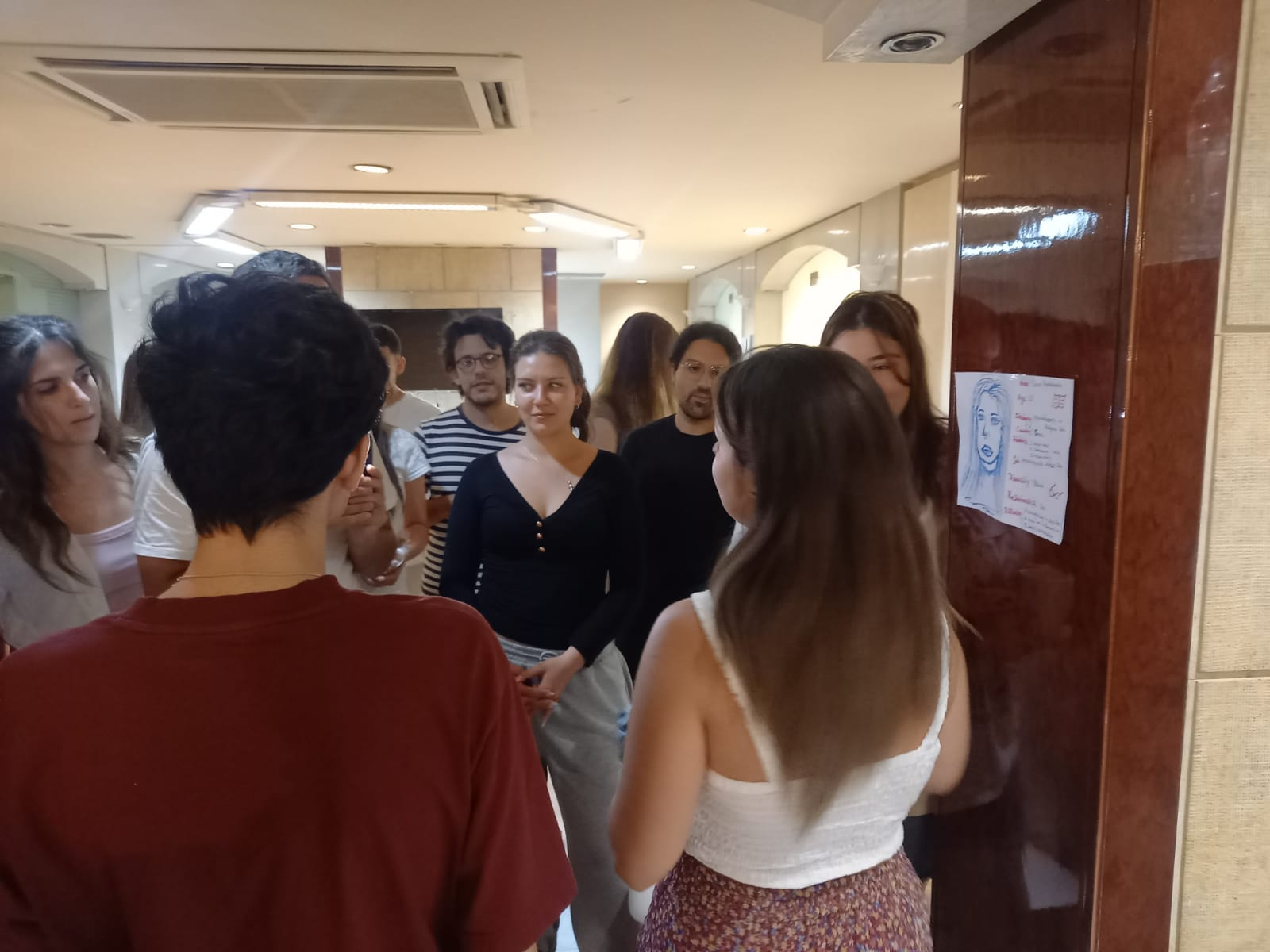
Through paired discussions and reflection exercises, participants uncovered assumptions they make about others and those made about them. Sharing stories in plenary, they reflected on stereotypes, labels, and hidden layers of identity, fostering empathy and a deeper sense of connection.

"The Soula's Story"

Participants read a fictional dilemma involving five characters and ranked their responsibility levels individually, then in groups, and finally as a plenary. The activity revealed diverse moral perspectives and emphasized empathy, communication, and dialogue in reaching consensus on ethical issues.

"Let’s Meet Ourselves"

Using the “Wheel of Life,” participants assessed different areas of personal wellbeing, identifying imbalances and areas for growth. The reflective activity emphasized self-awareness and the idea that understanding and caring for ourselves is essential before supporting others or driving social change.

"lnclusive or not inclusive? "

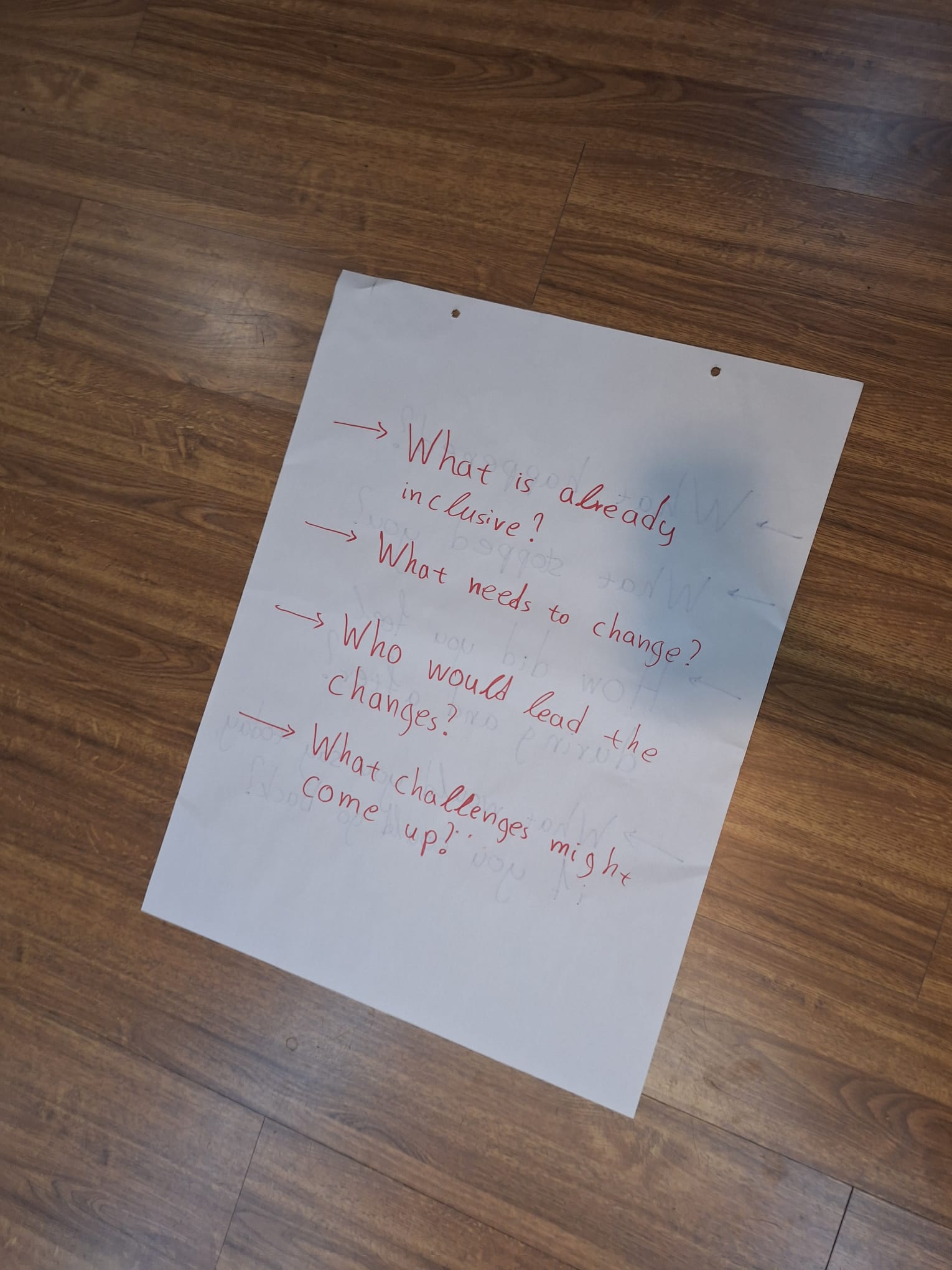
Groups analyzed workplace case studies and debated whether they were inclusive or not. When disagreements arose, constructive debate followed. The activity helped participants identify principles of inclusivity and discrimination, preparing them to promote equality in professional settings.

The Boundary I Never Set

Participants reflected on past experiences of failing to set personal or professional boundaries. Through writing and small-group sharing, they explored the consequences of these situations and practiced articulating boundaries in pairs. The activity empowered participants to recognize and assert their needs with confidence.

Walk in My Shoes

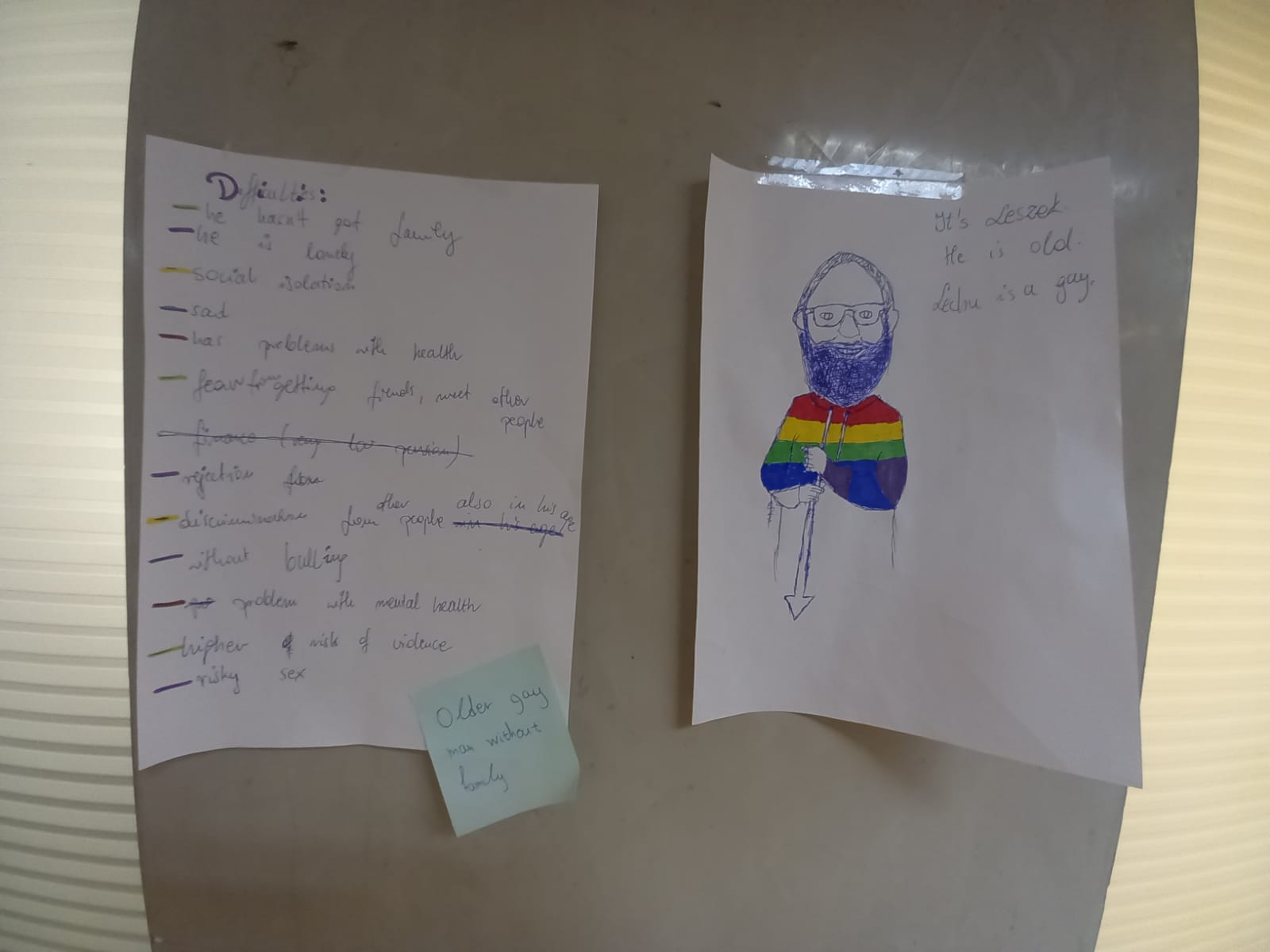
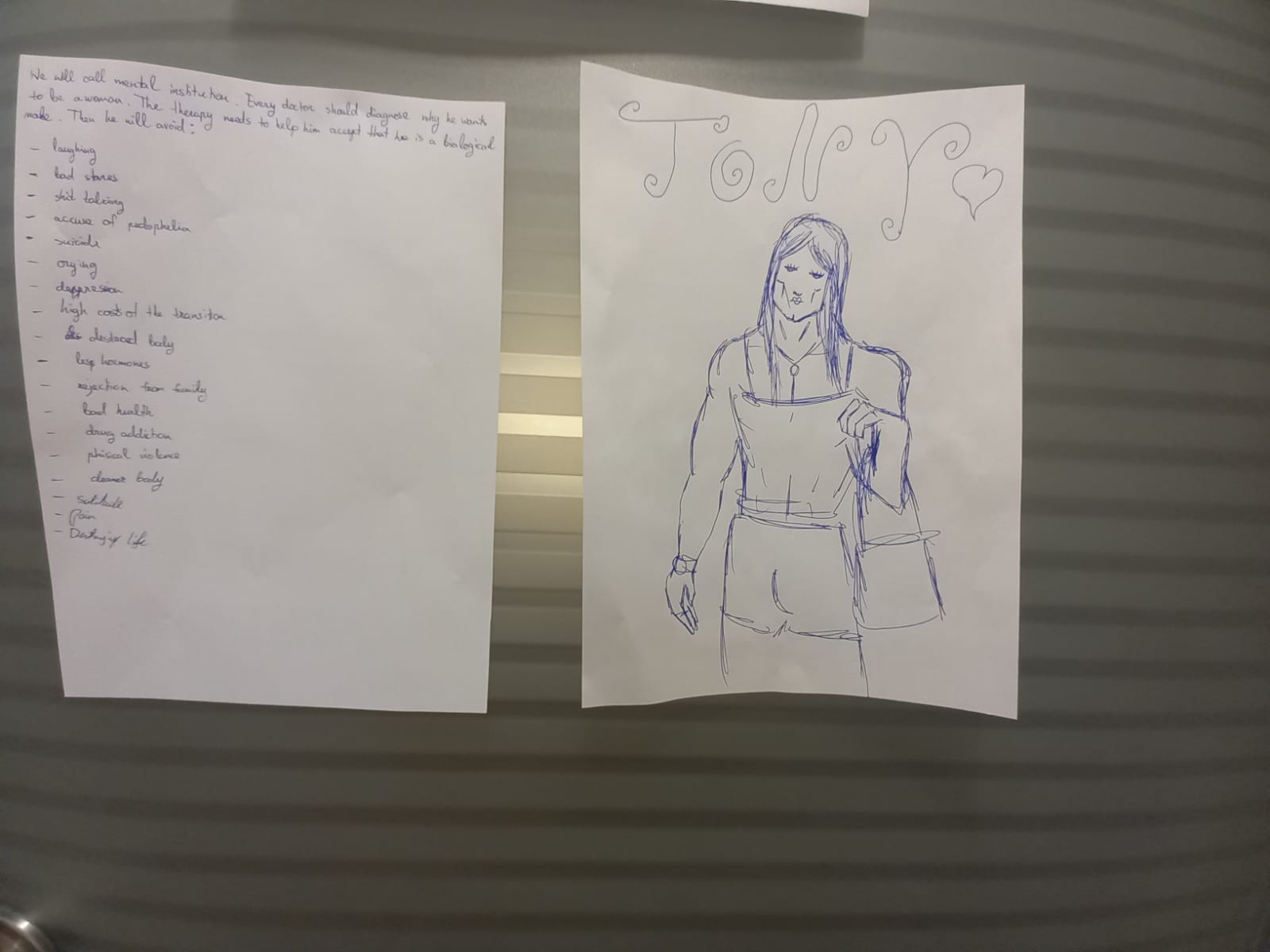
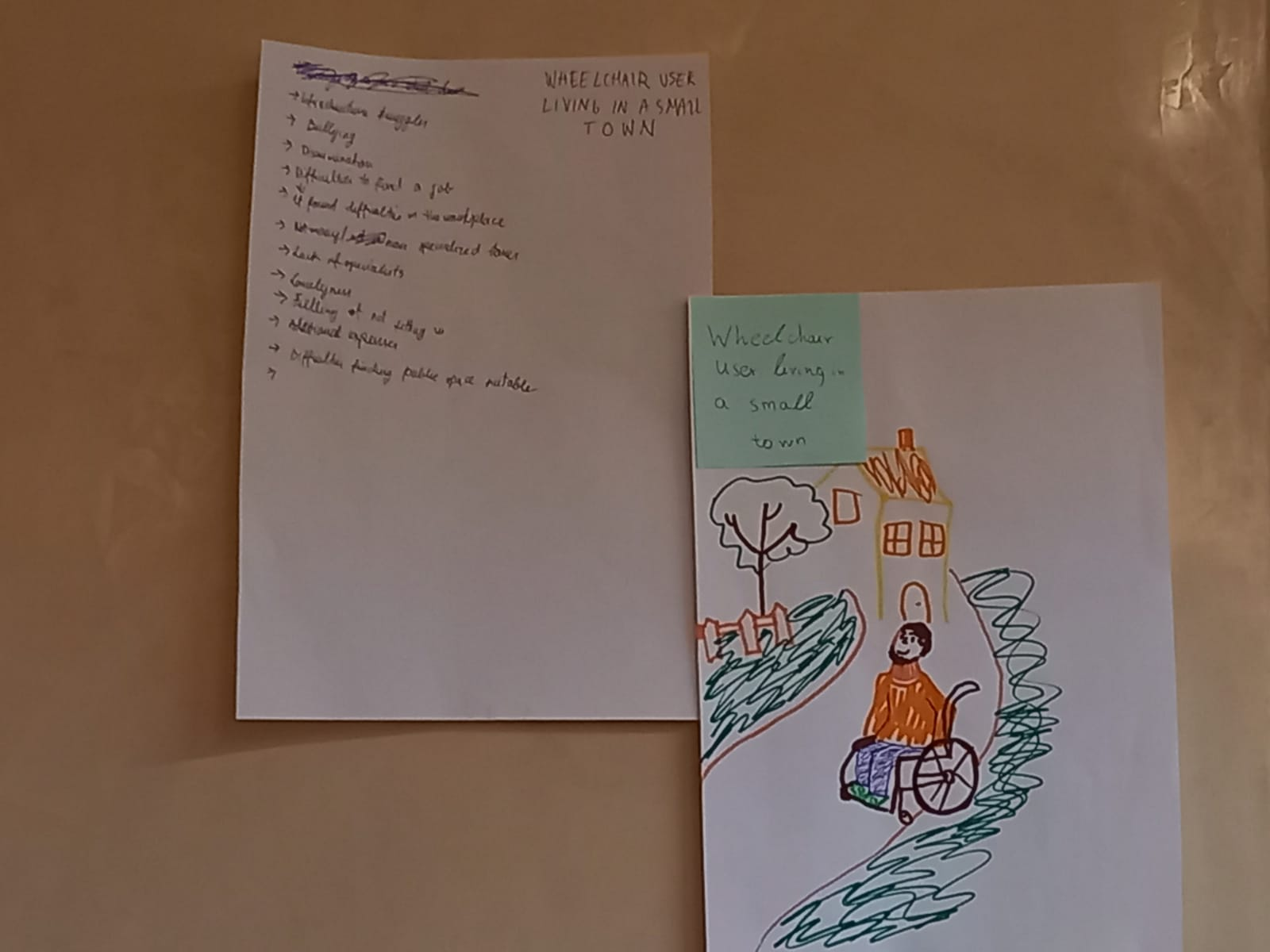
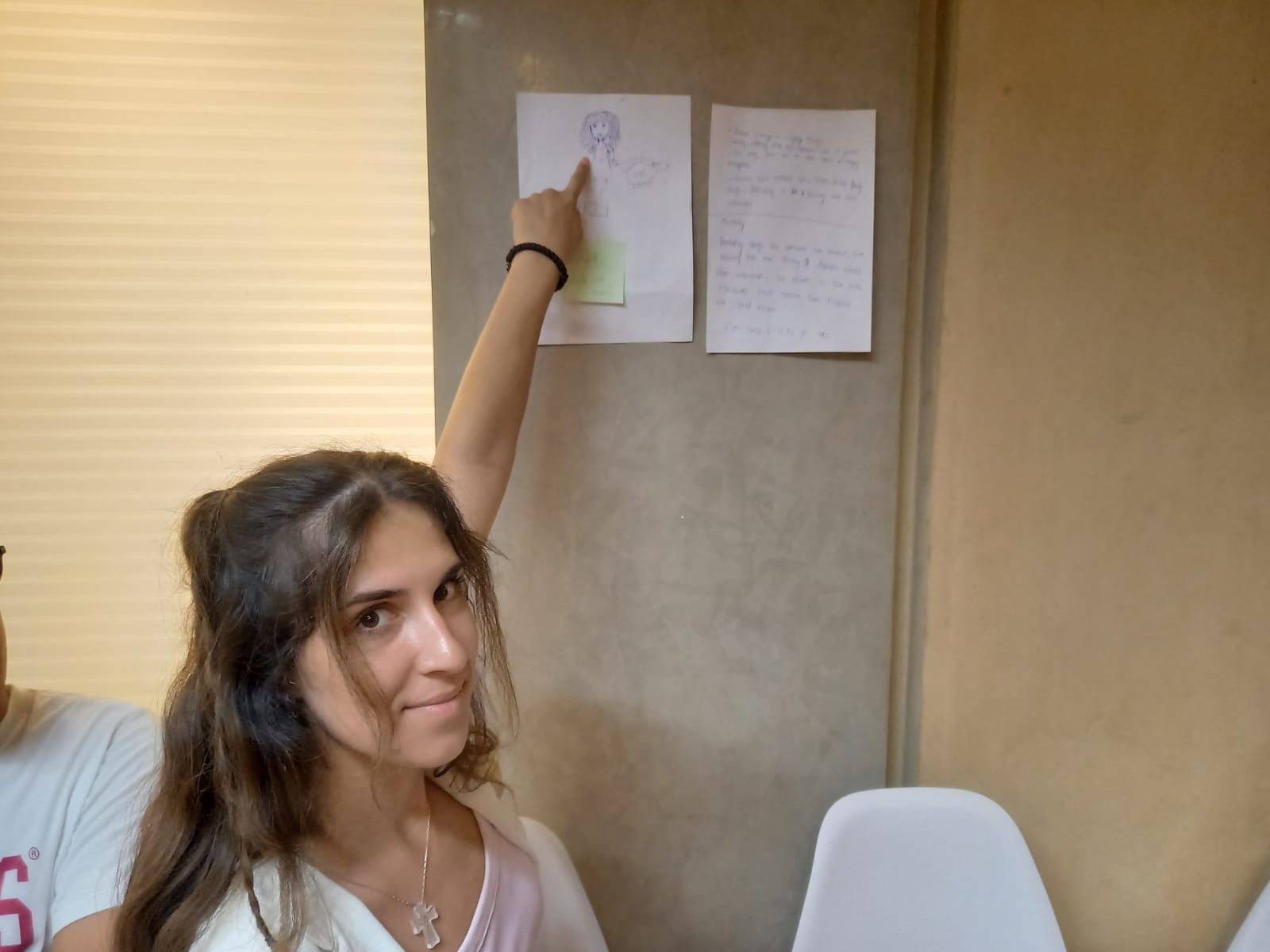
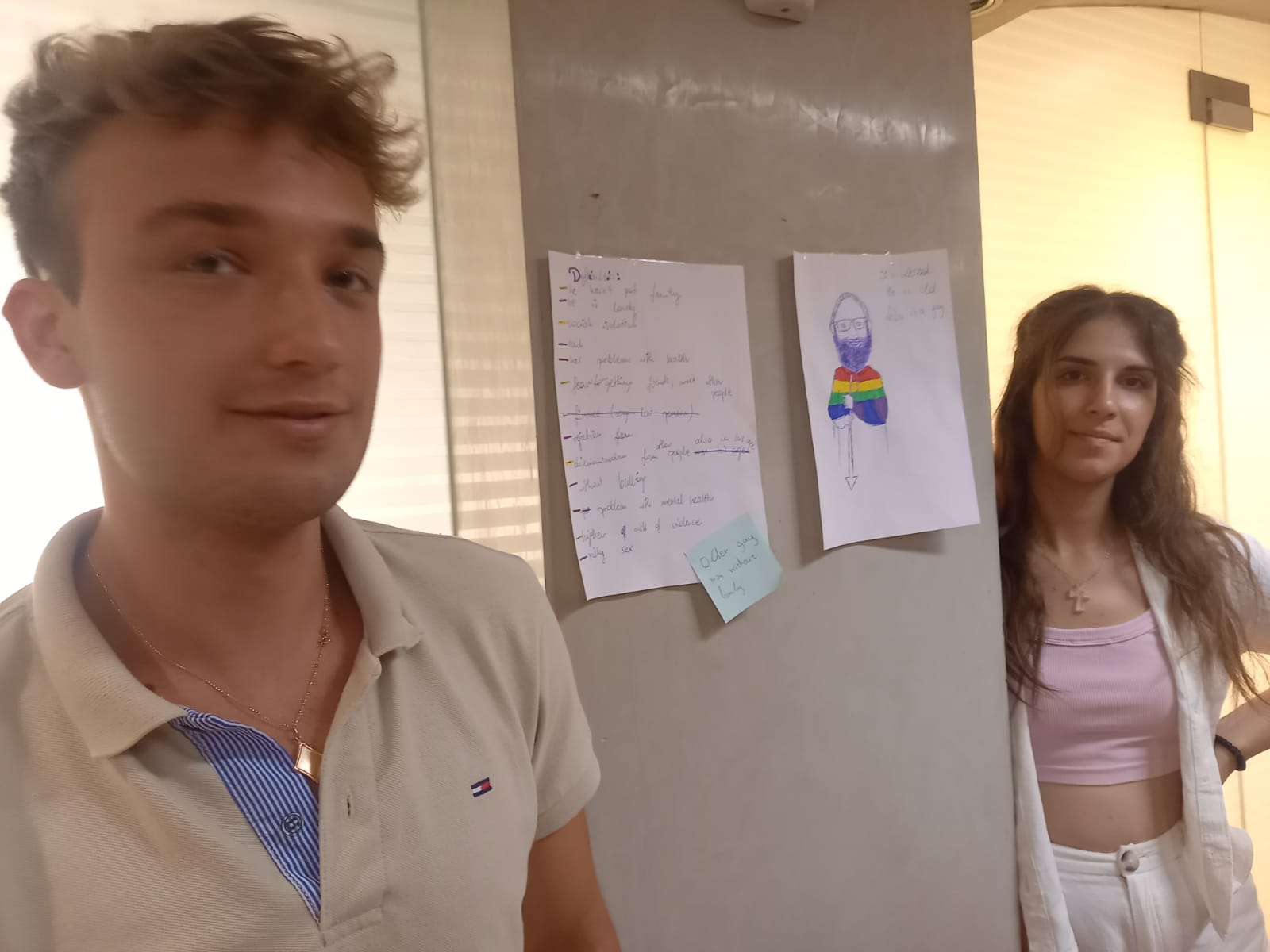
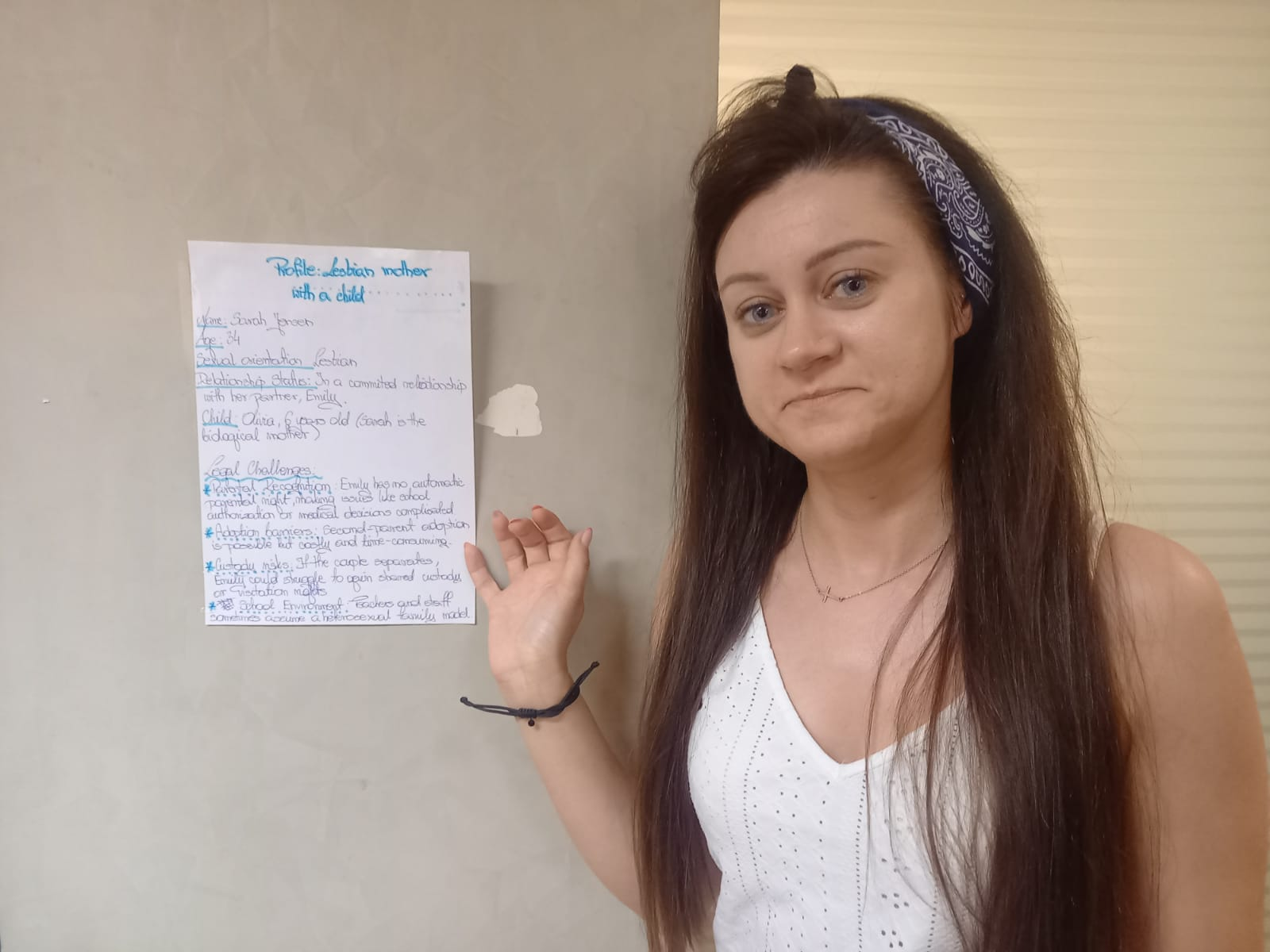
Through role-playing scenarios, participants stepped into the lives of individuals facing exclusion or bias in the workplace, such as a migrant employee or a person with a disability. They reflected on the challenges these characters might encounter and shared insights with the group. The activity built empathy, compassion, and awareness of how identity intersects with inclusion and access.

"Story Telling"

Participants explored personal and observed experiences of diversity and discrimination through storytelling. In small groups, they created short narratives that highlighted real-life struggles and successes, later sharing them in plenary. The activity demonstrated the power of stories to foster empathy, reveal hidden patterns of exclusion, and connect people on a deeper level.

"30 Seconds to Get Elected"

In this campaign challenge, participants formed small teams and designed 30-second election pitches promoting workplace inclusion. Each group brainstormed slogans and messages, then presented speeches to their peers, who voted on the most convincing campaign. The activity combined creativity, teamwork, and public speaking while highlighting communication’s role in driving social change.

"Toolkit for inclusion"

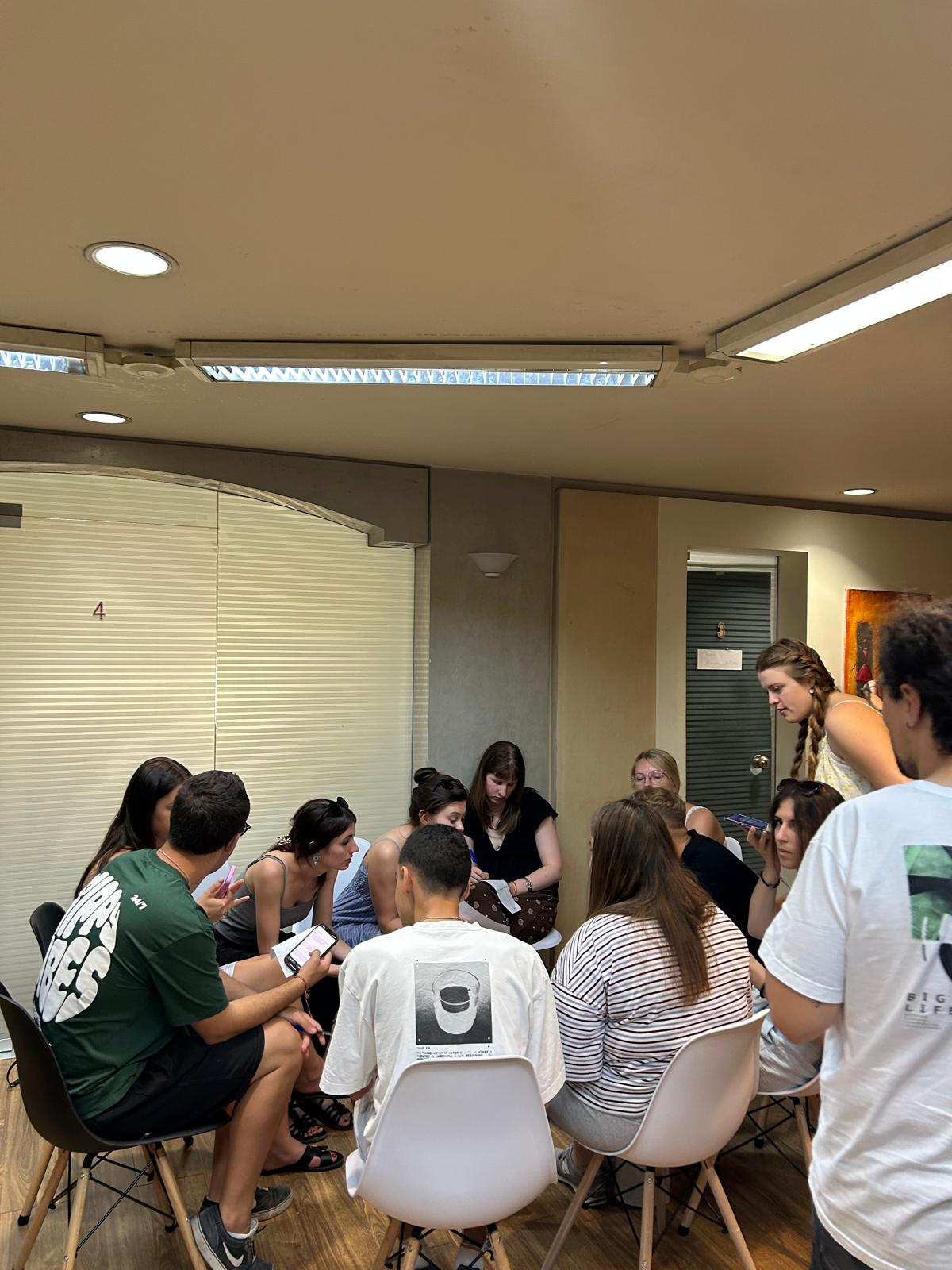
Participants collaborated in groups to synthesize their project learnings into practical materials for wider impact. They discussed and researched tools to promote equality, strategic partnerships, stakeholders to engage, and non-formal methods to combat workplace discrimination. The outcome was a comprehensive toolkit to support youth workers and extend the project’s reach beyond participants.
Oscars Night

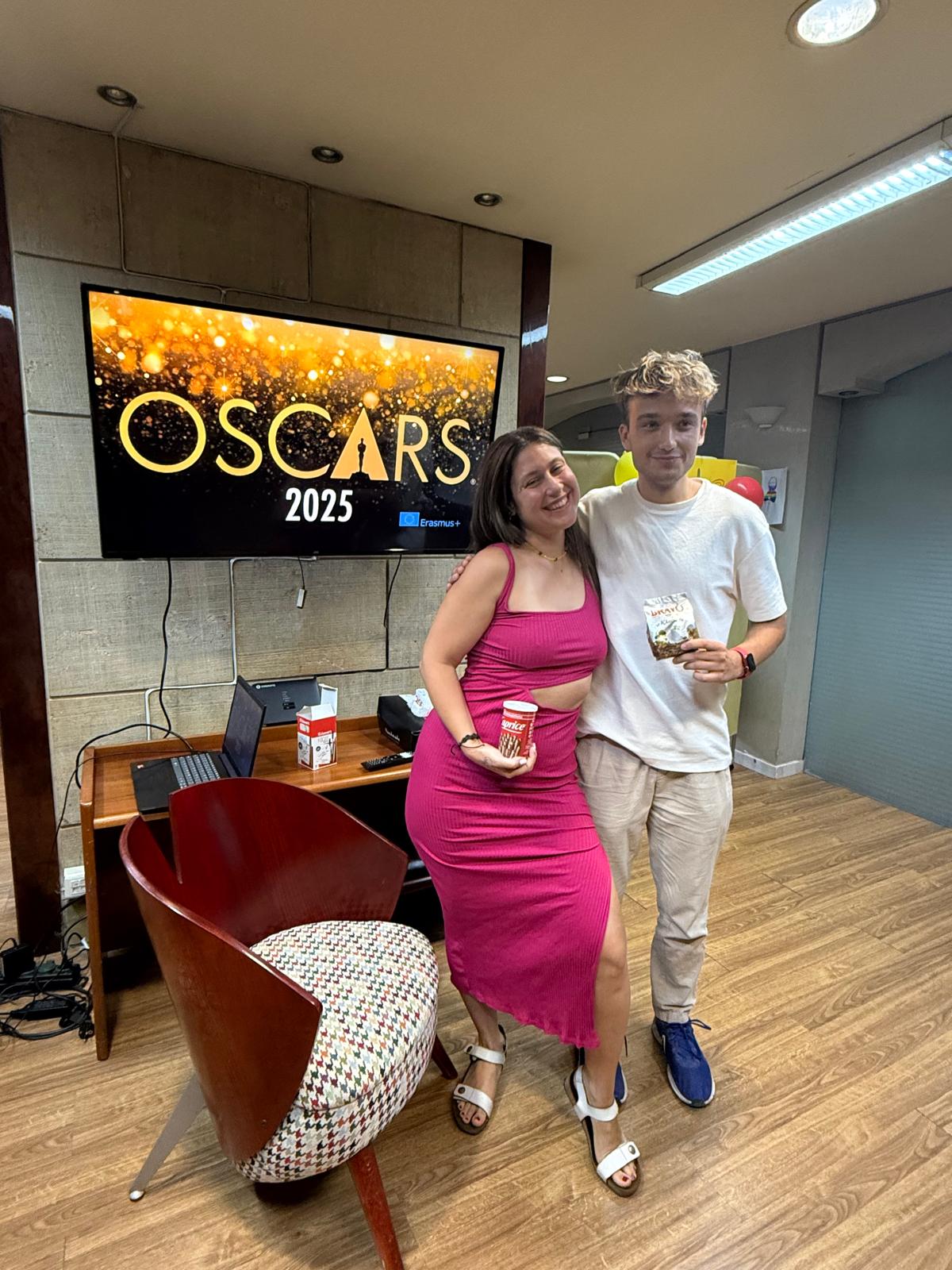
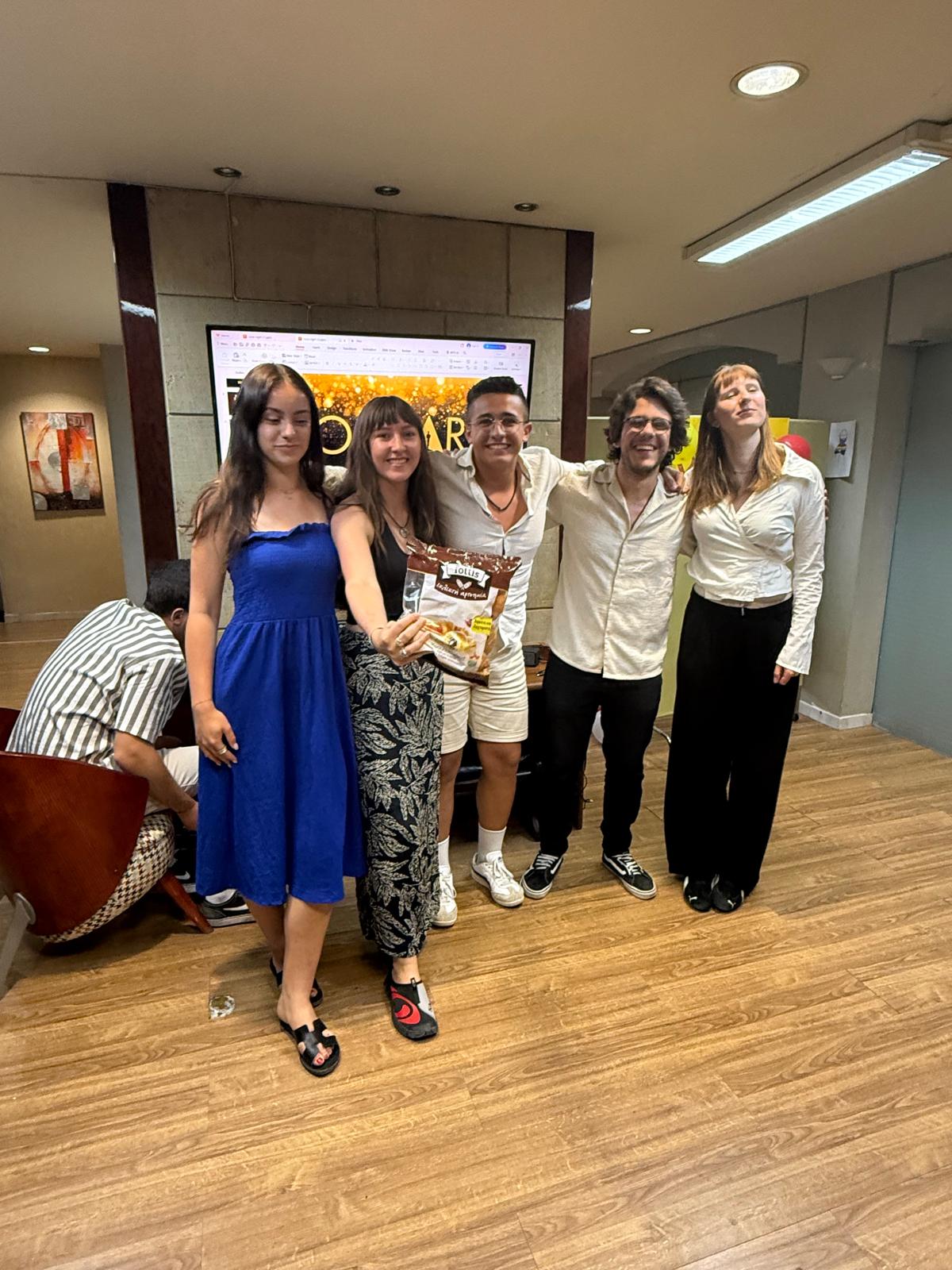
The project closed with a celebratory Oscars-style event where participants showcased their work, shared reflections, and presented their learning outcomes to a wider audience. The evening highlighted creativity, teamwork, and personal growth, offering a space to recognize achievements and celebrate the journey together.

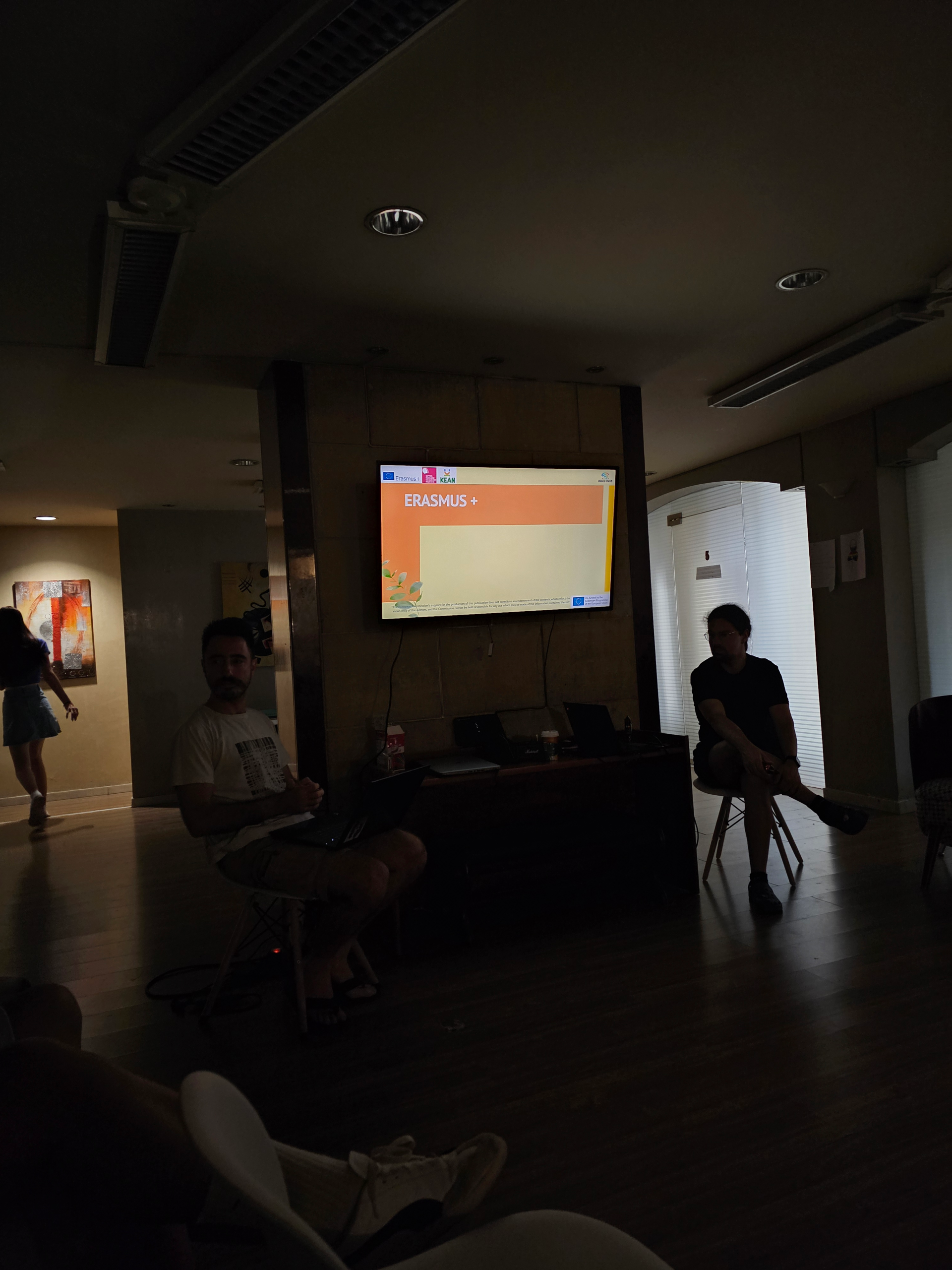
Presentation of the Erasmus+ Program and the recognition Tools to be used (YouthPass)

Participants were introduced to the Erasmus+ program and the YouthPass certificate as tools for learning and recognition. Through an interactive presentation, they discovered opportunities offered by Erasmus+ and reflected on how YouthPass supports documenting competences and personal growth. The session set a foundation for understanding the value of non-formal education.

"How to Make an Inclusive Organization"

Working as “design teams,” participants created blueprints for inclusive workplaces. They defined values, recruitment methods, accessibility measures, and diversity policies, then presented their models to the group. The activity bridged theory and practice, helping participants envision how inclusive principles can be applied in real organizational contexts.